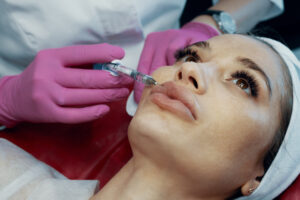
Sculptra


sculptra Cheshire


Dr Teri Johnson performs all the Sculptra Treatments Cheshire Lasers Clinic


What is Sculptra?

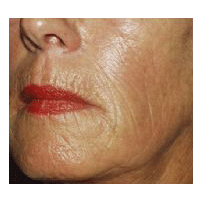
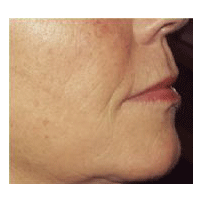
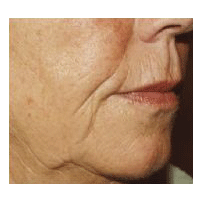
Sculptra is a facial treatment that gives you deep tissue regeneration to help reduce the signs of ageing in your face. Unlike traditional Dermal Fillers, Sculptra works to replace lost collagen and replenish volume in your face more subtly over time, giving you a more natural looking appearance.


Sculptra is one of Dr Teri Johnson’s favourite treatments, in fact she has Sculptra herself. She trained in this procedure in 2008 and has attended regular update courses since then to improve her techniques and make sure she is up to date with current practice. Dr Teri follows the latest recommendations for preparing and administering the treatment, she uses a cannula to inject the product most of the time but sometimes she still uses needles.

On average Dr Teri performs around 5 Sculptra treatments a week at Cheshire Laser.


Sculptra was previously known as New-Fill and was launched in the U.K. in the year 2000. It was rebranded under the new name Sculptra in 2004 and is growing in popularity in the U.K. and Europe.

Sanofi Aventis used to distribute Sculptra however Sinclair took over its distribution a few years ago.

The advantage of Sculptra is that larger areas can be treated with a longer lasting result.


What is Sculptra made from?

Sculptra is made from Poly-L-lactic acid a synthetic polymer manufactured from lactic acid it does not require a skin test.
ThePoly-L-lactic acid is completely broken down within the skin over a period of months, however the results (new collagen growth) can last for up to 3 to 4 years.


Sculptra can be used for:

  • Replacing lost volume caused by ageing
  • Smooth lines and wrinkles in the cheeks and chin
  • Deep folds and wrinkles
  • Volume defects e.g. sunken cheeks and temples
  • Contour enhancement
  • Improving skin texture

How does Sculptra work?

The Poly-L-lactic acid in Sculptra stimulates collagen production in the areas it is injected to replace lost collagen and replenish volume in your face. The results develop slowly over time, giving you a natural looking appearance.


How many treatments will I need?

The number of treatments required to achieve the desired affect depends on your age and how well you make collagen due the the product.

It also depends on how deep your wrinkles are as well as the amount of volume, lift and contouring you desire.

For optimal results 2-4 treatments are usually required using between 2 and 6 vials of Sculptra. Treatments can be every 6 weeks, however they can be spaced every 3-6 months if you are not in a rush to see the end results.


How long does Sculptra last?

In contrast to some other treatments that require frequent refresher sessions, clinical trials indicate that Sculptra is effective for up to three years and in some cases longer, most people find the results last around two or more years.


During a Sculptra Treatment:

Dr Teri will make sure your face is thoroughly cleansed.
She will then apply a cream to numb the skin.
Photos will be taken of your face, and you will be examined to decide which areas need treatment.
The treatment itself will take about 30 minutes, and Dr Teri will use either a cannula, a needle or both depending on your needs.
Dr Teri will then massage your face and advise you about aftercare.


After Sculptra Treatment:

Massage is very important after Sculptra treatments and should be performed for 5 minutes, 5 times a day over the first 5 days.

After this, massage twice daily for 5 minutes for 6 weeks.

Massage is very important after Sculptra treatment it ensures the even distribution of the product in the tissue and makes sure collagen production occurs evenly and not in clumps.

After treatment, you should notice gradual results over the next several weeks. In general, it takes approximately six weeks to see some effects and the effects continue to develop up yo a year after treatment, sometimes even longer.


Side Effects:

Common effects at the site of injection include:

  • Bleeding
  • Tenderness
  • Mild Discomfort
  • Redness
  • Bruising
  • Swelling

These side effects generally resolve in 2-6 days.

More rare side effects include:

Nodule formation (small bumps) after injection. This is very rare and can be caused by too much product being injected or lack of massage. These small bumps may not be visible, and you may notice them only when you press in the treated skin. These bumps tend to happen within the first 6 to 12 months after the first treatment. Typically resolution is spontaneous, over a period of months. Massaging regularly after treatment reduces the risk of nodules.

Tissue infection/abscess is very rare and can be treated with antibiotics.
Granuloma (tissue nodules) are very rare and can be treated with injection of steroid into the affected area.

Hypersensitivity/allergy is very very rare and can be treated with antihistamines.


View Dr Teri’s Prices for Sculptra at Cheshire Lasers here:


Check out this video about Sculptra:
This is Franca's story:

Profhilo


Profhilo is currently one of the most popular treatments at Cheshire Lasers


profhilo treatment cheshire


What is Profhilo?

Profhilo is a completely new product that uses patented technologies engineered for ‘skin remodelling’. It is made from hyaluronic acid (HA) like many Dermal Fillers however rather than filling lines it is designed to promote collagen and elastin growth to reduce skin laxity.

Thanks to the unique characteristics of Profhilo, improving skin laxity is easily obtained in only two sessions, with a 1-month interval, and only five injection points on each side of the face. Profhilo is suitable for practically anyone, men and women, from 30 years old and with no upper age limit.

Profhilo is the first BDDE-free stabilised injectable HA based product for treating skin laxity.
With one of the highest concentrations of HA on the market (64mg/2ml) it is not only boosting and hydrating the skin, but also remodels the ageing and sagging tissue. As a stabilised product Profhilo lasts in the skin around 28 days. During this time the stimulation of 4 different types of collagen and elastin takes place by slow release of HA.
The stimulation results in significant tissue improvement. Therefore, we cannot say that Profhilo is a skin booster as it also has a significant tightening/lifting effect on the tissue.

Profhilo is licensed as a Medical device and has a European CE Mark. The treatment is temporary as the HA completely breaks down within the skin, leaving no trace.


Can you combine Profhilo with other treatments?

Profhilo delivers great results as a treatment on its own or in combination with other aesthetics treatments currently on offer.

Treated areas shouldn’t be reinjected with any other products within 2 weeks of the initial procedure.

Unless the same doctor/ nurse is performing the treatments  we recommend, Botulinum Toxin should be injected two weeks prior or 2 weeks after a Profhilo treatment.

We recommend you leave a 2 weeks window pre and post any Microdermabrasion, chemical peel, facial or IPL treatment.

Fractional resurfacing 3–4 weeks distant.

We do not recommend Profhilo treatment in the immediate period following other routine medical procedures (including vaccination) and dental procedures.  At Cheshire Lasers, we recommend you leave a 2-week window  pre and post-Prohilo treatment.


What happens during a Profhilo Treatment?

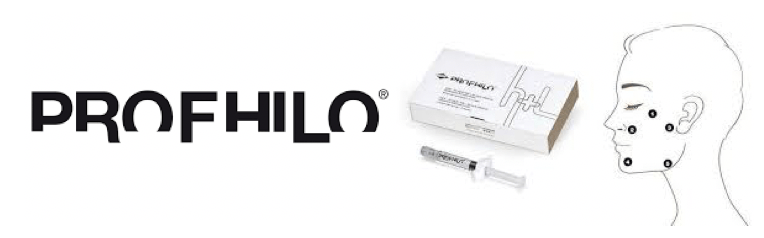
During the treatment, we inject the product using very fine needles in five specific points on the face. These are called the Bio Aesthetic Points (BAPs).

At Cheshire Lasers, we usually perform Profhilo using this BAP technique. It makes the treatment effective and simple, reducing the chance of pain, bruising or haematoma at the injection sites.

Once injected, the product immediately starts spreading under the skin and disperses evenly,  integrating within the skin’s existing tissue.


How long do the results last?

You should notice the results of the treatment – increased firmness, elasticity and an overall improved quality of your skin for around six months.

However, other factors can affect the results, such as your age, your lifestyle and your skin’s natural ageing process.


How many Profhilo treatments will I need?

For most patients, we recommend an initial course of two treatment sessions, with an interval of one month between sessions.

We then recommend top-up and maintenance sessions approximately every six months, depending on your body’s response to the initial treatment.


How much is a Profhilo treatment?

A single 2ml treatment is approximately £270- 325. The price varies according to the practitioner and their experience.

The following doctors and nurses provide Profhilo. You can view their prices on their page:


before and after profhilo


Are there any side effects from Profhilo treatment?

Immediately after treatment, lumps are noticeable at the injection sites and look like midgey bites. The lumps reduce quickly over a few hours and usually disappear by the next morning.

You may experience redness, itching, discolouration and tenderness at the injection site.  These effects are mild and usually fade quickly.

Bruising can occur and may last several days, sometimes a bit longer.


Is Profhilo suitable for everyone?

Profhilo is suitable for anyone who is looking for treatment for the signs of ageing skin.

At Cheshire Lasers we do recommended profhilo if:

  • you have a hypersensitivity to hyaluronic acid
  • you are pregnant or breastfeeding


Under Eye Injectable Treatments


skin booster Nucleofill sunekos Cheshire


The following treatments all stimulate collagen in the skin to improve skin texture and elasticity; they can also improve dark circles and hollows.


Juvelook

Juvelook is a hybrid injectable biostimulator treatment. It was launched in the UK in August 2024.

Juvelook combines:

  • Non-cross-linked Hyaluronic Acid (HA) for immediate hydration and subtle filling.
  • Poly D,L-Lactic Acid (PDLLA) microspheres, which stimulate your skin’s own collagen production over time.

It is the only injectable biostimulator treatment available for use in the delicate areas, such as the under-eye (tear trough) zone, in the UK

Juvelook can help improve:

  • Mild under-eye hollows/tear troughs
  • Fine lines, crepey skin with texture irregularities
  • Skin laxity

How Juvelook works:

The HA (non-cross-linked) provides instant hydration and a smooth appearance to the skin.

Over the next few weeks, the PDLLA encourages fibroblasts to produce new collagen and elastic fibres, improving skin firmness and texture.

A course of  1-3 treatments every 4-8 weeks to achieve optimal results. The results can last around 9- 12 months, depending on the number of sessions. With maintenance, the results last longer.

Juvelook treatments are performed by:


Polynucleotide Treatments

Polynucleotide treatments ( PN) are one of the most popular under-eye injectable treatments available in the UK. They have been around since 2021 and are known for their subtle natural results.

They work as a skin booster rather than a filler. Improve skin quality, including texture, hydration, and elasticity, resulting in reduced fine lines.  Unlike tear trough fillers, which can lead to overfilling or an unnatural puffy appearance, polynucleotides do not change the shape or contours in the area.

By enhancing the body’s natural collagen production, PN treatments deliver a subtle, gradual improvement that blends seamlessly with the surrounding skin. A range of Polynucleotide treatments are available, some of which are specifically for the eye area.

Nucleofill, Plinest, Plinest Eye, Plenhyage, PhilArt and PhilArt Eye are the most commonly used products in the UK.

They all contain Polynucleotides ( the building blocks of DNA).

All treatments involve multiple injections into the skin using a needle or cannula.

Side effects include bruising and swelling, which usually resolve within a few days.

The treatment stimulates fibroblasts to produce collagen and elastin, promotes hydration, and has an antioxidant effect.

Most treatments require three treatment sessions, two to three weeks apart.

To maintain results, you will need another single treatment every three months. (Frequency depends on your response to treatment.)

Polynucleotide treatments are performed by:


Sunekos

sunekos CheshireSunekos has been around since 2020.
Active ingredients:  Hyaluronic acid and Amino Acids.

It involves multiple injection points.

Sunekos stimulates the fibroblasts in the skin to produce collagen and elastin.

It is particularly effective in theperioculare area to reduce fine lines, dark circle,s and bags.

Most people require three or four treatments, 14 days apart.

You will require a maintenance treatment every 3-6 months to maintain results.

Sunekos is performed by:


Tear Trough Fillers

Tear Trough rejuvenation is a non-surgical aesthetic treatment using Dermal Fillers.

The Dermal Filler contains hyaluronic acid.

??The treatment involves a sequence of injections with a needle or a cannula. Injections are generally deep on the bone at the base of the tear trough to lift the soft tissue and skin under the eye area.

The recovery time is quick, but patients can expect mild swelling for a few days to a few weeks.
Mild bruising is common after filler treatment of the tear trough.

For best results, you may require two or possibly three gentle, subtle treatments to improve the area slowly. This will reduce the risk of a puffy, overfilled appearance commonly seen with tear trough fillers.

Tear trough fillers are a high-risk procedure, and many people are not suitable for this treatment.

A consultation with one of our medical team is important before considering this treatment. Find out more about tear trough fillers here.

This treatment is performed by:


Platelet-Rich Plasma (PRP)

PRP is a natural skin-rejuvenating treatment that uses platelets from your blood.

When activated, platelets release at least 7 growth factors that enhance natural healing processes.

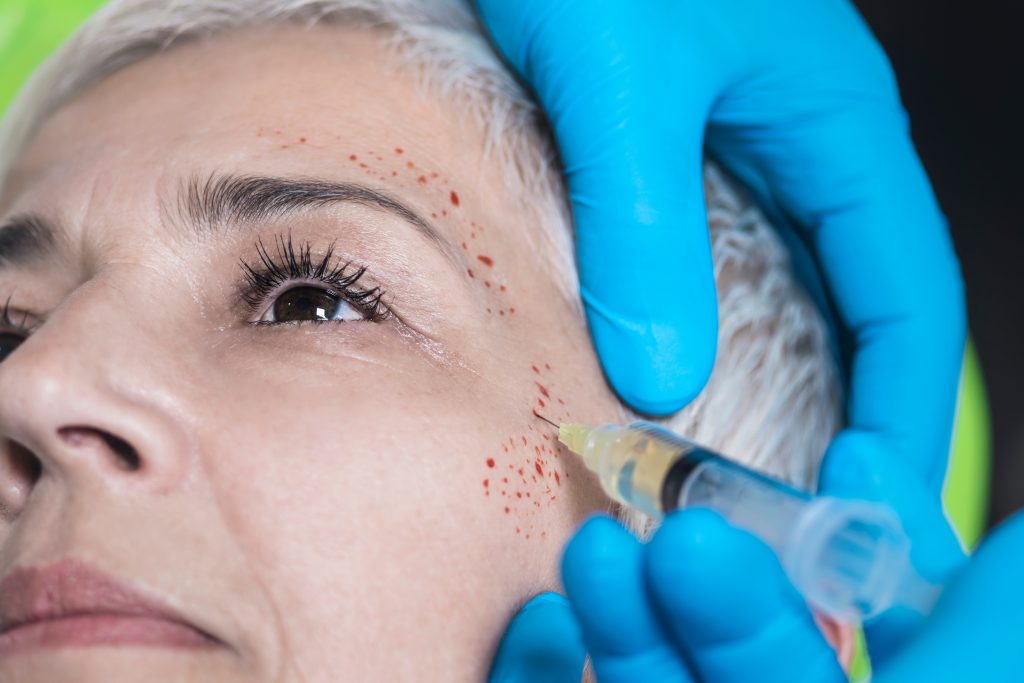
The treatment involves multiple injections with a fine needle.

PRP can treat all the layers of the skin, superficial and deep.

The treatment works well under the eyes; it stimulates collageproductionth, improvee blood supply to the tissu,es and can greatly improve skin tone and texture. It also reduces fine lines and wrinkles.

Most people require three or four treatments, one month apart.

PRP is available with Dr Will Allen at Cheshire Lasers


If you are interested in booking an injectable under-eye treatments,we recommend you book an appointment with the appropriate specialist depending on your treatment(s) of interest.

You can book online with our doctors here or contact us on 01606 841255 to arrange an appointment.

Ellansé


Ellanse Dermal filler collagen stimulator Cheshire


What is Ellansé?

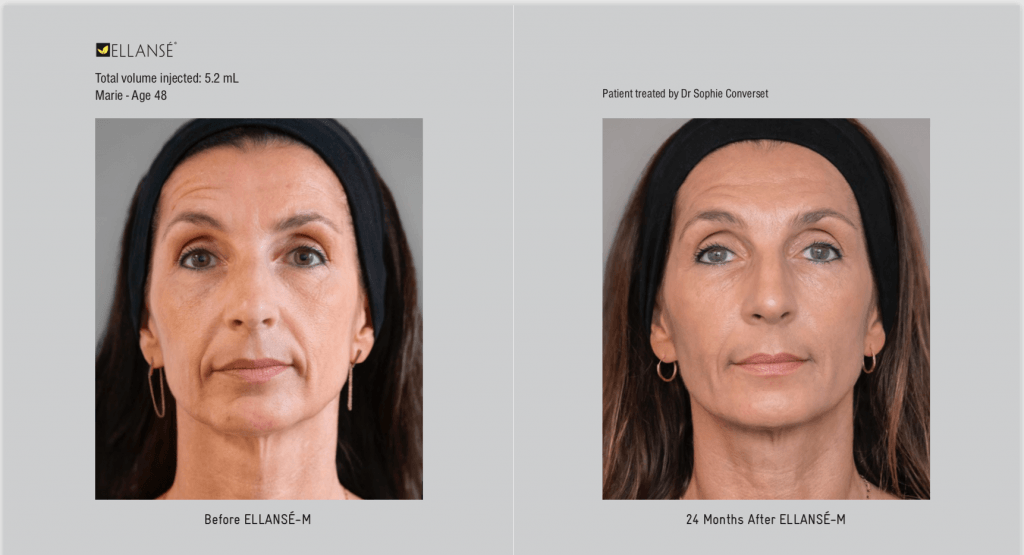
Ellansé is a Dermal Filler and a Collagen Stimulator. It is a unique, innovative, safe product for facial aesthetic treatments.

The Ellansé Range combines the benefits of both immediate correction of wrinkles and folds, as well as stimulating the production of the body’s own collagen, for natural, fresh and longer-lasting results.

Collagen is one of the important support structures in our skin. Collagen helps to maintain tightness, elasticity and suppleness in our skin. Over the course of time, our skin gradually loses its natural collagen, leading to facial laxity and the formation of wrinkles and folds. Ellansé uses the body’s natural response to stimulate the body’s own collagen (neocollagenesis) – restoring a fresh, more youthful appearance.

The Ellansé range of products addresses your needs for beautiful, fresh, longer-lasting and cost-effective results. Its four distinctive versions allow you to choose how long you would like the results to last, eliminating the need for frequent repeat treatments.


The ELLANSÉ Range is available in three versions:

  • ELLANSÉ-S (1 year)
  • ELLANSÉ-M (2 years)

Is Ellansé Safe?

ELLANSÉ is a Medical Device Class III8. It is CE approved (approved health and safety profile for use across the EU) since 2009. Ellansé has been used in the UK since 2010 and is distributed worldwide. It has high clinical safety data.


Reported Side Effects with Ellansé

Common, expected side effects are the same as other dermal fillers, including swelling, redness, and bruising. These side effects generally last maximum 1-2 days and are mild in nature.


What is Ellansé made from:

Ellansé contains PolyCaproLactone (PCL) microspheres suspended in a carrier gel. The carrier gel consists of Carboxymethyl Cellulose (CMC) made from non-animal, human or bacterial sources.

PCL

PCL is a well-known totally bioresorbable soft medical material, used in numerous European (CE-marked) and US Food and Drug Administration (FDA) approved commercial bioresorbable medical device applications like e.g. biodegradable sutures and orthopaedic implants for several decades worldwide and has demonstrated an excellent safety profile.

CMC

CMC is used in numerous European (CE-marked) and US Food and Drug Administration (FDA) approved commercial product applications in medical, cosmetic and pharmaceutical industries, e.g. dermal fillers, oral and maxillofacial surgery for several decades worldwide and has demonstrated an excellent safety profile.

Ellansé is developed, manufactured and marketed by AQTIS Medical BV. AQTIS Medical BV is a privately-held company based in Utrecht, in the Netherlands.


Who performs Ellansé Treatment at Cheshire Lasers?

At Cheshire Lasers, Ellansé treatments are available with Dr Teri Johnson.


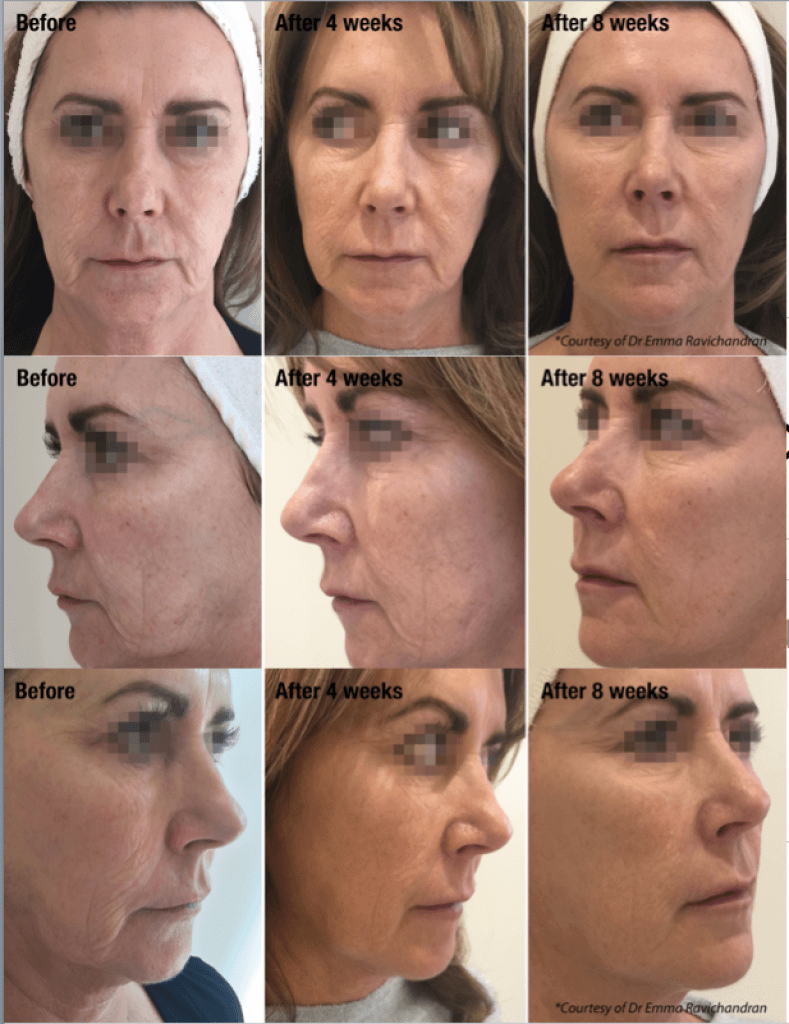
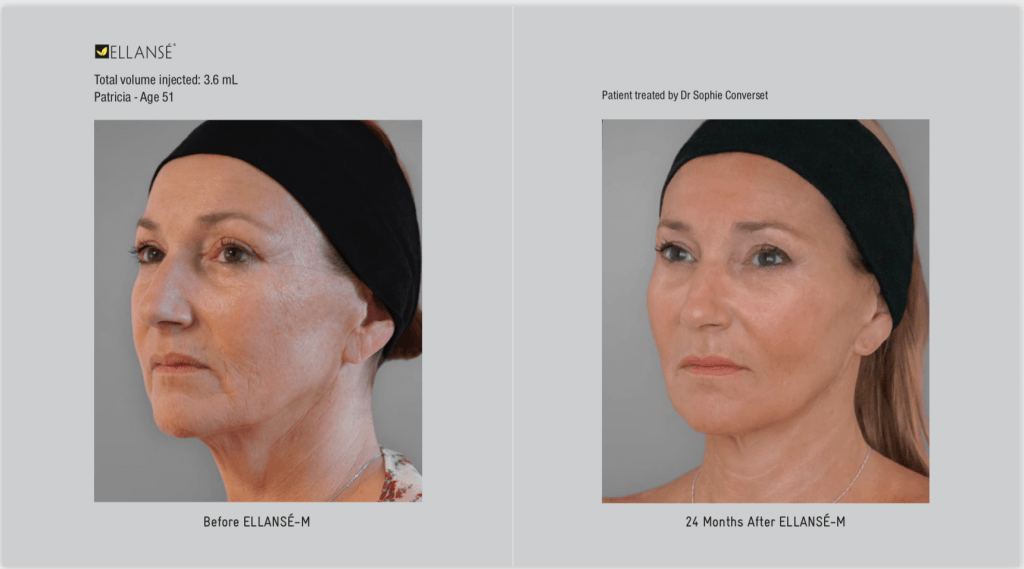
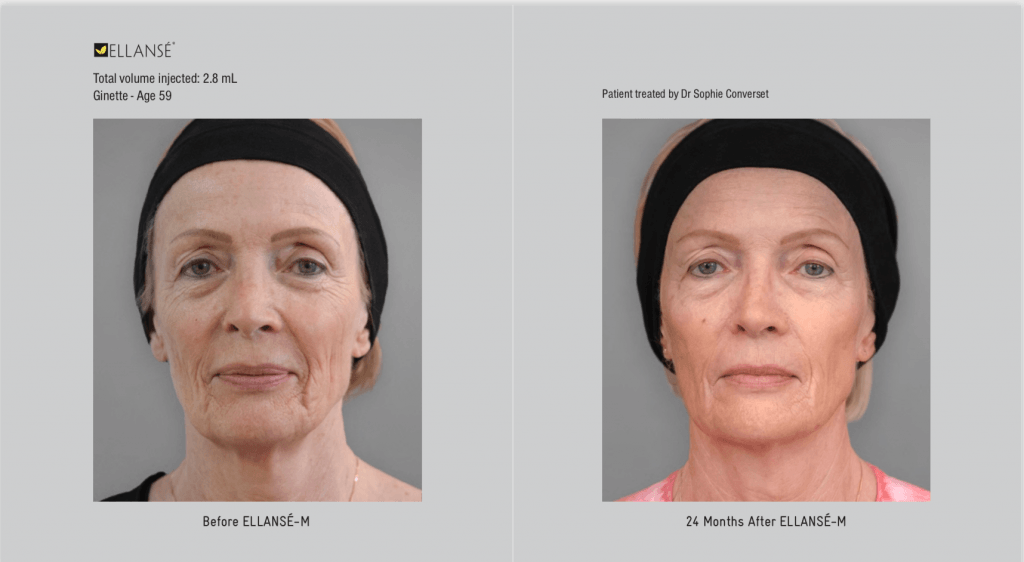
Before and after Ellanse treatment CheshireBefore and after Ellanse treatment cheshireBefore and after Ellanse treatment Cheshire


What is the aftercare after an Ellansé treatment?

Before your treatment, avoid using aspirin to reduce the risk of bruising.

To see the final result, it is important to wait until any of the injection-related symptoms have resolved.

You should contact us if you experience any side effects or have questions after treatment.

Avoid applying makeup to the treated area for 24 hours after treatment.

Avoid vigorous exercise, hot baths, and sun and heat exposure for three days after treatment.


How long does an Ellansé treatment take?

A typical Ellansé treatment takes approximately 30 minutes to an hour.  The treatment time depends on the number of treatment areas and the amount of product used.


How often will I need an Ellansé treatment?

Each Ellansé product has an estimated duration time, however, this can vary depending on the individual.

Results typically last around 1 year with Ellansé S or 2 years with Ellansé M.  However, for extensive restorative treatments we recommend a course of treatments.

Dr Johnson recommends initial treatment with Ellansé S and a review after 3-4 months. At this stage, collagen stimulation is present, and you can assess the results.  Depending on the results, you can then decide whether to have the S or the M for further top-up treatments to achieve the desired results.


View more information about Ellansé and Case studies here.


Find out more about Ellansé on the official website here. 


View Dr Teri Johnson’s prices for Ellanse at Cheshire Lasers here.


PRP Dracula Therapy


PRP Cheshire


Cheshire Lasers Clinic offers a wide range of PRP Treatments.


What is PRP?

Platelet-Rich Plasma (PRP) is a non-surgical treatment that utilises your body’s healing abilities to stimulate skin healing, repair and recovery. It has the power to trigger your body’s own tissue regeneration potential.  It is a natural treatment that uses the platelets from your blood. When activated, platelets secrete and release at least 7 different growth factors, which enhance the natural healing processes. They also stimulate collagen production to rejuvenate the skin, improve blood supply to tissues, and greatly improve skin tone and texture. It also reduces fine lines and wrinkles and can stimulate hair growth in the hair follicles.

PRP has been thoroughly investigated, and it is used for medical treatments. Doctors use PRP for nerve injury, tendinitis, osteoarthritis, cardiac muscle injury, bone repair and regeneration, plastic surgery and oral surgery. PRP also helps treat sports injuries in professional athletes to stimulate healing for skin wounds and burns.


What does PRP treatment involve?

This innovative technique involves centrifuging a small blood sample to separate it into components. Your practitioner will extract the PRP component from the sample and prepare it for injection.

Using a small sterile needle, your practitioner will inject the PRP into the treatment area.

Topical PRP can be combined with microneedling. This creates many tiny channels in the skin from microneedling, allowing the PRP to penetrate the tissues.


What types of PRP treatments are available?

At Cheshire Lasers, we use PRP on the face, neck, scalp, hands and other body areas for skin rejuvenation with sometimes astonishing results.

Treatment of the face with PRP has been called the “vampire facial” or “Dracula facial” on various reality TV shows, such as Cheshire Housewives. Celebrities such as Kim Kardashian have had this treatment to rejuvenate their skin.

PRP- Face, hands, décolletage, scarring & skin

Skin becomes plump, brighter and rejuvenated; fine lines and wrinkles reduce.  The skin’s hydration and contours improve to create a youthful, radiant bloom.
It successfully reduces crow’s feet and wrinkles around the lips, nose and mouth. It is popular for the tear trough area, giving a more natural appearance.

PRP for Hair Loss

The high concentration of growth factors in PRP will strengthen hair follicles and help address hair loss & thinning hair. For hair loss we recommend six treatments over 12 months. One every month for three months and then one every three months for nine months.


How many PRP treatments will I need?

A monthly course of treatment gives the best results. The number of treatments you require depends on the problem. Often, you will need at least three treatments.


What are the benefits of PRP:

No surgery/ no anaesthetic
Completely safe and natural – no synthetic substances/no danger of allergic reactions or infections
Walk-in Walk-out procedure – minimal disruption to your day
Virtually painless, plus fast results and fast recovery


How much does PRP cost at Cheshire Lasers?

PRP treatments cost between £400 to £600 / session


Who performs the PRP treatments at Cheshire Lasers?

Dr Will Allen performs PRP at Cheshire Lasers. You can find out more about her and view his prices here.

He provides PRP after microneedling, as well as injectable PRP.


How do I arrange a PRP Treatment?

Arrange a consultation with Dr Will Allen, phone 01606 841255 or book your appointment online here:

Book an appointment with Cheshire Lasers


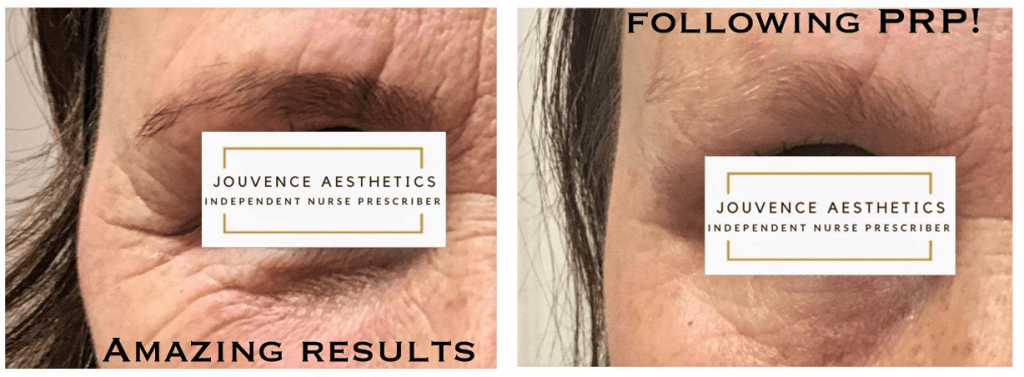
Before and After Image of PRP Treatment at Cheshire Lasers

Images are thanks to Aesthetic Nurse Moira of Jouvence Aesthetics, showing before and after PRP around the eye are


Dermal Fillers


dermal fillers cheshire


What are Dermal Fillers?

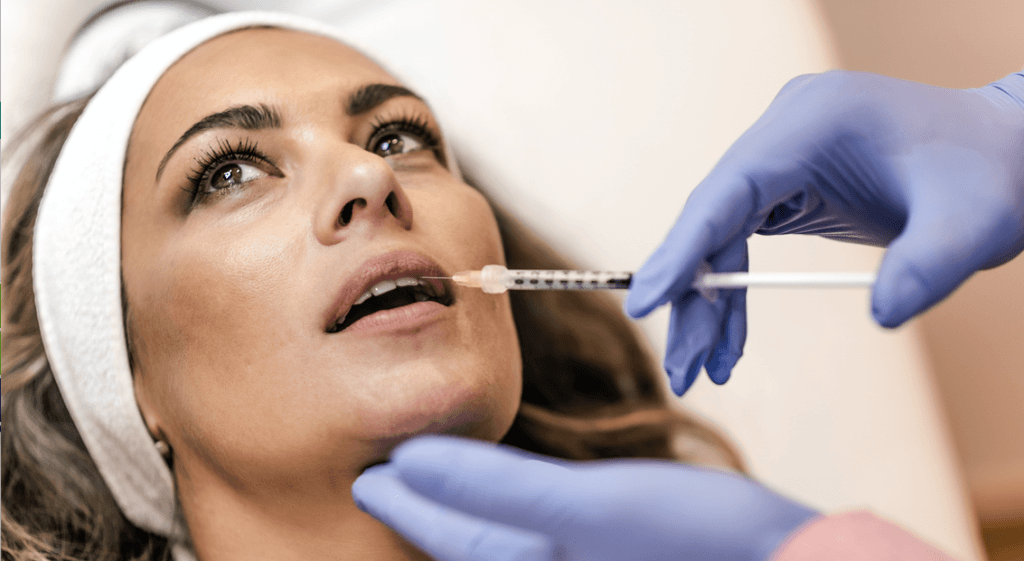
Dermal fillers are injectable treatments that reduce the appearance of wrinkles, lines and deeper folds, rejuvenating the skin to give a more youthful appearance.


Are Dermal Fillers Permanent or Temporary?

Dermal fillers are classified into two types: non-permanent (resorbable) or permanent (non-resorbable).

Non-permanent fillers last 6-18 months, depending on the product used.

Dr Teri Johnson and her associates only use resorbable fillers because permanent fillers have a much higher risk of permanent side effects.


What do Dermal Fillers contain?

In the 1980s, collagen was the first dermal filler approved in the USA.

However, the leading dermal fillers in the UK mostly contain hyaluronic acid. Hyaluronic acid is a natural component of our own skin which can be synthesised artificially to create a dermal filler. Hyaluronic acid-based fillers have the advantage that they can last 4 to 18 months, depending on the product. They can be broken down by the enzyme hyaluronidase if needed, so the filler can be removed more rapidly if necessary.

Other non-permanent dermal fillers contain ingredients such as Poly-L-lactic acid and calcium hydroxyapatite which stimulate collagen while in the skin.


Which Dermal Filler should I have?

Dr Teri Johnson and her associates at Cheshire Lasers collectively have had many years of experience performing thousands of treatments with various dermal filler brands. This experience has helped them determine which fillers work best in different areas for different skin types and indications to give the effect they want to achieve. Some dermal fillers suit some skin types more than others. There is no perfect filler; different ones last longer in some people than others. Different skin types respond better to different products.

At your consultation,  your medical practitioner will assess your skin type, thickness, hydration, texture, and the problems you hope to address. They can then recommend the most appropriate treatment for you and will show you some before and after images of her previous treatments that she has performed with that product to enable you to decide if the treatment is for you.


Which Dermal Fillers do Cheshire Lasers use?

Dr Teri and her associates use only quality-assured premium Dermal Fillers at Cheshire Lasers. Well-known established Dermal Filler brands such as Restylane, Juvederm Ultra, Juvederm Vycross, Radiesse, Ellansé, Teosyal, and Belotero.  Each specialist has a different experience in different products and has different preferences.

If you have had dermal fillers in the past, giving your medical practitioner as much information as possible about the treatment is helpful. It will benefit you and them to know which products have been used and where they were injected. It is also helpful to know whether the treatment gave you the results you expected and whether you had any unwanted effects.

Dermal fillers come in different thicknesses; in general, the thicker products help contour the face. Whilst thinner products are great for hydrating tissues, they are also more effective at treating finer superficial lines.


What can Dermal Fillers Treat?

Popular Dermal Filler treatment areas include:

Smokers Lines
Lip Rejuvenation for ageing shrunken lips
Lip Enhancement to volumise lips
Cheek Enhancement
Temple Enhancement
Chin Enhancement
Marionette Line Reduction
Naso-labial folds (nose to mouth lines)
Hand Rejuvenation
General Volume Enhancement
The 8-point lift
Scars

Advance Technique Treatments are also available:

Nose Reshaping
Tear Trough Rejuvenation
Forehead Enhancement / Brow Lift


Which Dermal Filler Treatments do we specialise in?

Dr Johnson

Dr Teri Johnson has years of experience in all the above treatments. Her favourite fillers are Restylane, Juvederm, Ellanse and HArmonyCa.

She loves performing lip and peri-oral Rejuvenation to refresh the lips and peri-oral area and prevent further signs of ageing. Dr Teri also enjoys performing full-face enhancements to reduce signs of ageing. Find out more about Dr Teri’s specialist areas here.

Dr Drinnan

Dr Kyra Drinnan primarily uses Juvederm, Teosyal, HArmonyCa and Radiesse dermal fillers. She has advanced dermal filler training and can use them to treat a wide range of problems, including lips, marionette lines, cheeks, tear troughs, chins, jawlines, hands and full face treatments.

Dr Kathryn Hazlehurst

Dr Kathryn Hazlehurst uses mostly Stylage in her practice. She loves sculpting cheeks to add definition and restore the triangle of youth and improving ratios to enhance the facial profile. She also enjoys full-face and lower-face rejuvenation, including correcting downturned smiles.

Aesthetic Nurse Katey Moulton

Aesthetic Nurse Katey uses mostly Restylane Dermal Fillers in her practice. She specialises in lip treatments and enjoys enhancing younger and older lips. She also provides lip rejuvenation treatments.


What does a Dermal Filler Treatment involve?

Find out what a Dermal Filler procedure involves here.


Side Effects from Dermal Filler Treatments


Cheshire Lasers Dermal Fillers Pre-Treatment Advice


Cheshire Lasers Dermal Fillers After Care and Recovery Information


Why have your treatment with a Medical Professional?


What is Hyaluronidase?

Hyaluronidase is also known as Hylase; it is a prescription treatment that doctors and nurses can use to dissolve Hyaluronic acid fillers.

Find out how hylase works and how to access this treatment at Cheshire Lasers here. 


Summary of Dermal Filler types we use at Cheshire Lasers:


View Dr Teri Johnson’s Blog, briefly summarising the benefits of injectable treatments here. 


How much are Dermal Fillers?

At Cheshire Lasers, Dermal Fillers prices start from £220.

The price varies depending on the filler, the location, the specialist performing your treatment and the number of syringes and sessions required.

View the Price lists for our specialists performing Dermal Fillers at Cheshire Lasers here:

Hyaluronidase


hyaluronidase treatment to dissolve lip dermal fillerCheshire Lasers provides Hyaluronidase Treatments, also known as Hylase Treatments, to dissolve Dermal fillers.

What is Hyaluronidase?

Hyaluronidase is an enzyme that dissolves hyaluronic acid. It is a prescription-only treatment which is also known as Hylase.


Which Dermal Fillers can Hyaluronidase can dissolve?

It works best on Dermal Fillers, which consist primarily of hyaluronic acid. The enzyme hyaluronidase quickly gets to work by breaking down the filler just a few minutes after injection, which is then broken down and removed within a few hours. However, it can take a few days to see the final result.

Dermal Fillers that can be dissolved with Hylase include:

Hyaluronidase is ineffective on Radiesse, Ellansé, Artefill, Silicone, Sculptra or other non-HA fillers.


Who performs the Hyaluronidase treatments at Cheshire Lasers?

All the specialists that provide Dermal Fillers at Cheshire Lasers Clinic have Hyaluronidase training so they can dissolve the filler they inject should a problem occur after treatment.

The following Specialists also perform hyaluronidase treatments for patients who have had treatments elsewhere.

Dr Kyra Drinnan

Dr Kyra Drinnan treats patients who have had treatments performed by other practitioners if the practitioners who performed the treatment make a direct referral. The referral must include a full medical history, the type of product injected, the amount injected and where it was injected. The batch number and expiry date must also be included.

Dr Will Allen

Consultant Facial Plastic Surgeon Dr Will Allen, provides filler dissolving treatments using hyaluronidase at Cheshire Lasers. For more complex cases, he also offers surgical filler removal at one of his specialist clinics, where he performs surgical procedures.


What does a Hyaluronidase Treatment involve:

The enzyme is injected the same way as any other injectable treatment, either with a needle or a cannula. The effects can be seen after several minutes, but it takes a few days to see the full results. Hyaluronidase is not new, it has been used by doctors for injections for years, most commonly to assist the spread of local anaesthetic solutions.


Does Hyaluronidase treatment hurt?

The treatment is a little uncomfortable, similar to other injectable procedures.

To minimize discomfort, we use a topical anaesthetic to numb the area before the injection.

We can also inject it with lidocaine, a local anaesthetic, to numb the area during the procedure.


How many Hylase treatment sessions will I need?

Sometimes you may only need a single treatment. This depends on the type of dermal filler we are dissolving and the volume we are trying to remove.

If you require further treatment, we prefer to leave at least five days between sessions to allow the first treatment to work fully.

Sometimes we may need to use Hyaluronidase in an emergency to prevent a complication such as a vascular occlusion. In this situation, we repeat the treatment every hour to restore circulation.


Which areas can Hylase treat?

The most common requests at Cheshire Lasers for hylase treatment are to dissolve lip fillers and tear trough fillers. These two areas are more prone to dermal filler migration, which can cause a poor cosmetic outcome.

Most areas treated with hyaluronic acid-based dermal fillers can be treated with Hylase, including:

  • Lips fillers
  • Migrated lip fillers
  • Tear Trough fillers
  • Nasolabial lines
  • Perioral lines (smokers’ lines around the mouth)
  • Chin fillers
  • Cheek fillers
  • Under eye area

Are there side effects of Hyaluronidase filler dissolving treatment?

There are very few reported side effects with Hyaluronidase.
The commonest side effects are bruising which is usually minimal, and swelling.

Localised allergic reactions to the enzyme can occur. For this reason, we will book you in for a consultation and a patch test at least 24 hours before the procedure.

If you are allergic to bee venom or suffer anaphylaxis, you are more likely to react to Hyaluronidase. We do not recommend Hylauronidase unless the benefits of treatment significantly outweigh the risks.


How do I book a Hyaluronidase treatment at Cheshire Lasers?

After Dermal Filler Treatment at Cheshire Lasers

If you want to dissolve a dermal filler after treatment at Cheshire Lasers, please contact us. We will book you a consultation with the doctor/nurse who performed your treatment to assess your needs and advise you further.

After Dermal Filler Treatment elsewhere

If your dermal filler treatment was performed elsewhere, and you would like it dissolved, we usually recommend contacting the practitioner who performed it.  They will know the quantity of filler in each area and the type of filler.  With this knowledge, it is much easier to perform a treatment. All medical aesthetic practitioners should be able to provide this treatment if performing Dermal Fillers.

When a dermal filler treatment goes wrong, we understand that sometimes you may not want to return to your original practitioner. It can also be difficult when you move and your practitioner is too far away. In these circumstances, please get in contact.


How much does a Hyaluronidase Treatment cost at Cheshire Lasers?

Our Specialists all have their own price lists.

Generally, expect to pay between £250 and £500 for this advanced procedure.


How to Book a Hyaluronidase Treatment

If you are interested in this procedure, please complete this enquiry form, and we can forward it to our doctors to make sure they can help.

Alternatively, email cheshirelasers@hotmail.co.uk

Please let us know as much information as possible about your treatment. It is helpful to know the product used, the location of the injections and the quantities at each injection site. This information will help us give you the best possible advice to help you achieve the best outcome.

This information will also help our client coordinators recomend the best specialist to help you. If your problem is difficult to treat, we can signpost to an expert in dealing with more complex problems.


Microsclerotherapy


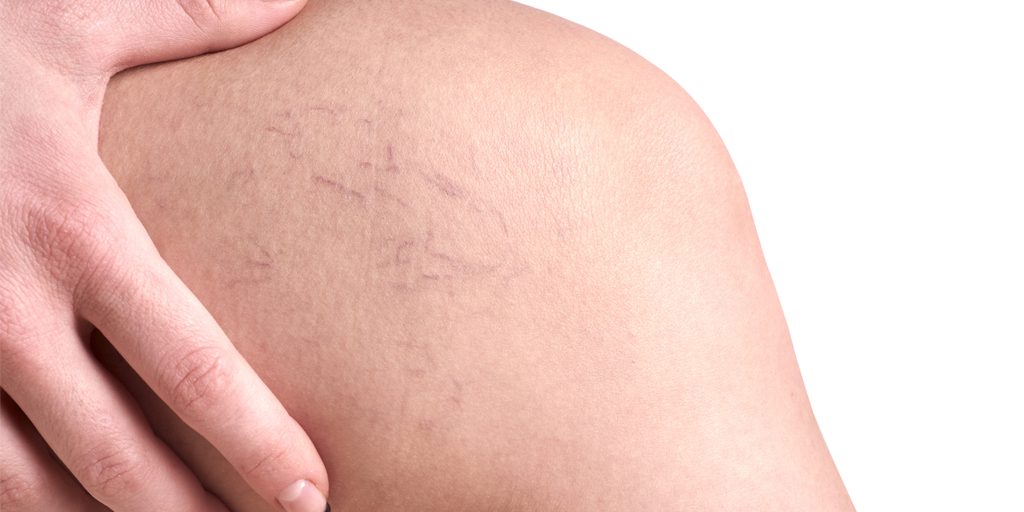
Dr Kathryn Hazlehurst performs Microsclerotherapy for thread vein removal on the legs at Cheshire Lasers.

leg thread vein removal Cheshire


What is Microsclerotherapy?

Microsclerotherapy has been around for decades. It is the gold standard treatment for leg thread veins.

The thread veins are injected with a prescription solution known as a sclerosant, which damages the vein wall. The body then slowly absorbs the damaged tissues making the vein less obvious or unnoticeable to the eye.

The treatment is surprisingly pain-free for some individuals; others feel minimal discomfort. This is probably due to the fact the needles used which are very small.


How many Sclerotherapy treatments will I need?

Veins usually need more than one treatment to achieve the effect you desire; this often depends on the size of the vein.

We recommend a treatment every 4-12 weeks. Tiny veins may go with one treatment, but others may need anything between  2 – 6 treatment sessions. Most patients see a 60-80% improvement on the appearance of their thread veins after between 2 – 5 treatments.

The number of treatments you will need depends on:

  • The number of thread veins that you wish to have removed
  • The size of the veins
  • How well the veins respond to the treatment

Microsclerotherapy After Care

After leg treatment, we recommend:

  • You wear support stockings.
  • Keep the area clean and dry.
  • Avoid alcohol and aspirin for 24 hours.
  • Avoid long periods of standing for 72 hours.
  • Do not fly for at least 7 days for short flights (4 hours or less) or 4 weeks if a long haul flight.

What to expect after the procedure?

After treatment, the area may become red with small dark bruises at the injection sites. The area may be swollen and tender to touch.
Expect the area to look worse for approximately 7-10 days post-treatment due to the irritation effect of the treatment.
It can take 6 – 12 weeks to see the full effects of each treatment session, and there is no guarantee that an improvement will be seen.
Even after treatment, thread veins can recur at any time and may require further treatments.

What Causes Thread Veins?

Thread veins are caused by many factors, including:

  • Sun damage
  • Hormonal changes
  • Hereditary TraumaPregnancy
  • Pressure from varicose veins

What do I need to do if I want a Sclerotherapy Treatment at Cheshire Lasers?

Before considering treatment for leg veins, we ask that you arrange a consultation with Dr Hazlehurst.

She will examine you to ensure the thread veins are not caused by venous incompetence ( leaky valves) deeper in the leg. If there is an underlying cause of the thread veins or varicose veins these would need to be treated first before Microsclerotherapy. Otherwise, treatment of the thread veins is likely to be unsuccessful.

She will advise on graduated compression and vascular health.

The first treatment can then be arranged.


Leg thread veins are treated with Microsclerotherapy at Cheshire Lasers by Dr Kathryn Hazlehurst


View Dr Hazlehurst’s Microsclerotherapy Prices at Cheshire Lasers Clinic here.


Neck Treatments


Neck Rejuvenation treatments at Cheshire Lasers Middlewich


Neck Rejuvenation and Turkey Neck Treatments at Cheshire Lasers

Our face and body do not age evenly. There are areas, such as the Neck, where the skin is thinner, which can show signs of premature ageing. After the eye area, the skin on the Neck is the most delicate. It contains far fewer elastin fibres than the face, resulting in a weaker supporting structure. The Neck also lacks fatty tissue, which supports the skin.

As we age, women, in particular, can lose their long, slender necks as the jawline becomes heavier, leading to a double chin. The skin can become thin and crepey, developing fine lines and deeper wrinkles. The skin also loses its elasticity, becoming loose and saggy, known unflatteringly as ‘turkey neck’.

Necklines can appear as part of the natural ageing process. Our natural skin cell turnover decreases as we age, and the collagen we naturally produce depletes. This, as well as exposure to the sun and neglect of the Neck in our daily routines, can cause necklines to become more prominent and add age to our overall appearance.

The Neck is often one of the most exposed areas of the body, and therefore, it is essential to protect it against damage. A moisturising cream with SPF 30 or higher should be applied daily to ensure that the Neck does not become dehydrated and is protected against harmful UV rays from the sun.

Most men and women seeking treatment for the neck area are looking to firm, tighten and lift loose, sagging skin, reduce fine lines, improve the jawline, and prevent the appearance of wrinkles that deepen as we age.


Classically, the main concerns related to the Neck and décolletage include:

  • Skin laxity
  • Fine lines,
  • Neck lines
  • Wrinkles
  • Crepey skin
  • Double chin
  • Turkey neck

Neck Rejuvenation Treatment choices:

At Cheshire Lasers, a wealth of minimally invasive neck Rejuvenation Treatment options are available. This is where the value of a thorough initial assessment comes in, to advise you about your best treatment choices for your individual needs.

Treatment options include injectable treatments, energy devices such as Radiofrequency, Radiofrequency Microneedling or HIFU, Standard Microneedling and high-quality topical cosmeceutical treatments.


Injectable Treatments and Threadlifts:

Botulinum toxin – ‘Nefertiti lift’

Named after the famous youthful jawline of the Egyptian queen, the Nefertiti neck lift involves injections of botulinum toxin into the lower jaw and neckline. The number of injections varies depending on muscle bulk and definition.
Best suited to patients with overactive platysmal muscles pulling down the face or creating platysmal bands.

Dr Kyra Drinnan and Dr  Kathryn Hazlehurst perform this treatment.

Dermal Fillers

Hyaluronic acid (HA)-based dermal fillers aim to replenish lost moisture and improve volume and elasticity, making them a suitable option for treating the delicate skin of the décolletage.
Alternatively, Radiesse can be used as a collagen stimulator to improve skin texture and tighten skin. The result is plumper, smoother, less wrinkly skin.
Compared to traditional HA dermal filler injection, the treatment involves superficial micro-injections of filler to create small blebs along the valley of wrinkles.

Dr Kyra Drinnan performs Hyaluronic acid Dermal filler and Radiesse treatments in the Neck.

Profhilo

Profhilo is a skin booster engineered fo‘ ‘skin remodelli’g’. It is made from hyaluronic acid, like many dermal fillers. However, rather than filling lines, it promotes collagen and elastin production to reduce skin laxity and boost skin hydrationProfhilo’s’s unique characteristics make it an excellent treatment for neck rejuvenation. It improves skin texture and laxity easily in 2 sessions, with a 1-month interval. Profhilo is suitable for practically anyone, men and women, from 30 years old and with no upper age limit. Some people require a third treatment for the best results.

This treatment is slightly uncomfortable but is quick and easy to perform.

Dr Teri Johnson, Dr Kyra Drinnan and Dr  Kathryn Hazlehurst perform this treatment.

Skin Boosters

Cheshire Lasers now offers a range of injectable skiboosters,rs which are alternatives tdermal fillersrs.


Non-Invasive Energy Devices:

The following treatments stimulate the production of collagen in the skin. This increase in collagen helps strengthen the skin and improve wrinkles, tone, texture and laxityOur aestheticians perform the following Neck Rejuvenation treatmentsns at Cheshire Lasers:

Ultraformer III

Ultraformer III uses High-Intensity Focused Ultrasound (HIFU) with the newest paradigm of advanced technology – MMFU (Micro Macro Focused Ultrasound)

At Cheshire Lasers Clinic, the Ultraformer Neck Rejuvenating treatment delivers the best treatment for a turkey neck. It is very good at lifting and tightening the sagging jowl area. It slims the fatty pockets under the chin and jowl that pull the face anNeckck down, while stimulating collagen and elastin to tighten the skin.

The technology creates a lift in the skin and at the deep muscle layer (SMAS) underneath. Previously this area was reached only by a surgical facelift. It rarely cause any downtime and most people require just one treatment.

Some people find this treatment uncomfortable.

Find out more about Ultraformer III here.

RF Microneedling

RF Microneedling delivers energy under the skin to stimulate collagen and elastin using the power of radiofrequency and microneedling. It is an excellent treatment for neck rejuvenation, as it not only stimulatecollagenhe growtn but also resurfaces the skin.

The downtime is very short, usually 6 to 24 hours.

You may need up to three treatments to achieve the best results.

The treatment is uncomfortable, similar to Ultraformer;  however, we apply topical anaesthesia to improve the discomfort.

Find out more about RF Microneedling here this treament is provided by our level 4 aestheticians.

Neogen Plasma 

Delivers Plasma energy to the skin, causing mild trauma that triggers healing, repair, and new collagen production.

The downtime is relatively short, from a day or two to a week, depending on the intensity.

A course of treatments is always needed for best results.

The treatment is uncomfortable, similar to RF microneedling and Ultraformer.

Find out more about Neogen Plasma Skin Rejuvenation here. 

Radiofrequency

At Cheshire Lasers, we use Endymed or the ThermaClinic radiofrequency machines for Neck Rejuvenation.

Radiofrequency energy gently promotes collagen production and contraction of collagen fibres. This restructures, rejuvenates and tightens the skin. Most people require a course of 6 treatments for the best results.

Radiofrequency is a comfortable, safe treatment which can be quite relaxing.

The Endymed is a more advanced machine that penetrates slightly deeper than the ThermaClinic and is slightly more expensive. Both treatments are performed by our level 4 aestheticians.


Microneedling

Dr Kyra Drinnan and    Kathryn Hazlehursperform microneedlingng to thNeckck. They both use a microneedling pen device.


Topical Treatments foNecke Neck

At Cheshire Lasers, we recommend and stock the following products foNecke neck:

pHformula Neck Cream

ZO Skin Health Neck Complex.


Combination Therapy:

Many treatments work best synergistically, so exploring the combination treatment option is helpful.

For best results, consider one of the following treatments for collagen production.

Then, depending on your needs, combine this with injectable treatments such as Botox to relax the neck muscles or Profhilo for extra hydration.

Consider skin resurfacing or skin peels for the skin texture

Do not forget to enhance the results with optimum skincare.

View a list of general rejuvenating treatments here. 


Hand Rejuvenation


Dermal filler hand rejuvenation Cheshire


Do your hands give away your age?

No part of the body will tell the story of your age more readily than your hands. The hands suffer environmental damage, and often have less protection than the rest of your body. Dryness, poor skin texture, age spots, uneven skin tone, visible veins, fine lines and wrinkles can all add to the general age appearance of your hands.


Want to know a person’s real age? Just look at their hands.

The natural fat cushion that we’re born with under the skin of the hands begins to lessen in our late twenties and early 30’s. By the time most of us hit 50, all the structures in the hand show up – the tendons, bones and veins.


Help is at Hand

Dr Teri Johnson and her team have been performing hand rejuvenation treatments since 2008. Over the years, they have tried and tested various treatments.

Hand Rejuvenation Treatments can address various concerns and include injectable and non-injectable treatments.


Non Injectable Hand Rejuvenation Treatments

Chemical Peels

Peels are great for fading age spots, smoothing the skin texture, and stimulating new collagen production in the upper skin layers.  At Cheshire Lasers Clinic, our favourite treatment for hands is the BioRePeel with TCA. The BioRePeel has a bio-stimulating, revitalising & peeling-like effect. A single treatment often delivers a visible improvement, but for best results, we recommend a course of three every 7 to 10 days.

Microneedling

Microneedling uses tiny needles to create micro-injuries in the skin, stimulating collagen production and improving skin texture and tone. This treatment also is known for its ability to improve skin texture and can lead to a subtle improvement in pigmentation. At Cheshire Lasers, we use the EDS (Electronic Dermastamp) treatment.

Radiofrequency Microneedling

Radiofrequency microneedling combines the skin-renewing benefits of microneedling with the skin-tightening effects of radiofrequency energy.  The result is a more effective treatment for improving collagen production, skin texture and firmness. Cheshire Lasers uses Dermaforce to deliver controlled heat energy deep into the skin through tiny needles.  This stimulates more collagen production, often with less downtime than microneedling alone.

CACI Hand Rejuvenation

Using advanced microcurrent technology, CACI targets skin cells in the hands, stimulating collagen and elastin production. This non-invasive procedure tones, hydrates and firms the skin, reducing wrinkles and revealing smoother, younger-looking skin.

Laser and IPL Hand Treatment

Laser treatments, intense pulsed light (IPL) and fractional laser therapy can target age spots, sun damage, and uneven skin texture on the hands. They work by breaking down pigment and stimulating collagen production. Here at Cheshire Lasers, we mostly use our IPL on our Linton Lumina AQS System to improve skin texture and improve pigmentation on the hands. 

Topical Treatments

It’s also important to consider topical treatment when rejuvenating the hands. Retinoids, vitamin C serums, and moisturizers containing ingredients like glycolic acid or niacinamide can help improve the appearance of the hands over time by boosting collagen production and reducing signs of ageing. Regularly applying hand creams containing sunscreen can help prevent further sun damage and protect the hands from ageing.


Injectable Hand Rejuvenation Treatments

Injectable hand rejuvenation treatments involve injecting products into the skin to create volume in the skin, increase hydration or stimulate collagen production. Most treatments have an effect on all three of these.

The following treatments have all been shown to rejuvenate the hands:

  1. Dermal Fillers: Dermal fillers, such as hyaluronic acid, plump up thin skin, give hydration, and minimise the appearance of wrinkles and veins.
  2. Collagen Stimulators: Radiesse, Ellanse and Sculptra all stimulate collagen, creating firmer, tighter, plumper skin.
  3. Skin Boosters: Restylane Vital, Profhilo, and Sunekos are examples of skin boosters they stimulate collagen and elastin production as well as hydrate the skin.
  4. Polynucleotides: Made from DNA, stimulate fibroblasts to create collagen and elastin; they also stimulate hydration and have an antioxidant effect.

It’s important to consult with a qualified dermatologist or cosmetic surgeon to determine the most suitable treatment options based on individual needs, skin type, and desired outcomes.


Combination Treatments:

Often, a combination of treatments may be recommended to achieve the best results. For example, combining dermal fillers with laser therapy or chemical peels can address multiple concerns simultaneously and provide more comprehensive rejuvenation.


Examples of Hand Rejuvenation Treatments.

Restylane Vital Skin Boosters

Restylane Vital Skin Boosters contains small molecules of hyaluronic acid filler. When injected under the skin, it improves skin elasticity and deep dermal hydration. By moisturising from within it diminishes the fine crepey lines to give a plump and hydrated appearance.
An initial, intense treatment usually comprises three sessions, 3-4 weeks apart. Each treatment involves a series of very fine micro-injections however Dr Teri is now using a cannula more often for this treatment.

Typically, a maintenance treatment would be required after around 3-4 months.

Advantages:
Restylane Vital remains in the skin for about 4-8 months if not longer. It attracts water for skin hydration and improves skin texture while volumising the skin to help reduce the appearance of unsightly veins and tendons.
It can be dissolved by hyaluronidase.

Disadvantages:
3 treatments are usually required, and regular maintenance every 3-4 months to keep the effect.
Bruising is very common if injected with a needle.

Find out more about Restylane Skin Boosters here.


Radiesse Hand Rejuvenation

Radiesse was launched in 2000 and is FDA approved. It is a non permanent Dermal Filler that contains calcium and phosphate based micro spheres. When injected under the skin micro spheres stimulate your skin to produce new collagen. It is, therefore, more commonly regarded as a collagen stimulator.

The product is injected directly into the skin with a cannula and then firmly massaged to ensure even coverage.

Radiesse gives an immediate improvement due to the presence of the filler. Over a few months, the results reduce slightly as the filler degrades. The results improve again as collagen production occurs creating a volume effect and an improvement in skin texture.

This treatment is great for volume loss to help cover veins and tendons in the hands.
You may only need one treatment. Although if you have older hands or hands with significant volume loss you may need a second treatment.

Advantages:
Typically, results last around 12 months.

You will need a maintenance treatment 9-15 months.

Disadvantages:
This product is not ideal for you if you have thin skin.
Radiesse filler is firm, so you need to apply strong, vigorous massage after treatment to reduce the risk of lumps after treatment.
The product does not give as much hydration.

Find out more about Radiesse hand rejuvenation here.


Profhilo Hand Rejuvenation

Profhilo is a revolutionary injectable product based on hyaluronic acid (HA). After injection, it slowly breaks down so it remains in the skin for up to 28 days. While in place, it stimulates the body’s processes for regenerating skin tissue. It hydrates the skin and stimulates all four types of collagen and elastin. Hence, is why we call it a ‘bio-rejuvenator’ or ‘bio-revitaliser’.

Most people need two treatments one month apart. Older skin or extremely delicate thin skin prone to tearing may need a third.

You will need a maintenance treatment after 4-6 months for best results.

Advantages:

It degrades quickly, which often suits people who like minimally invasive natural treatments.
Treatments are easy and quick and take only 15 to 20 minutes.
The treatment is the best for thin, crepey, delicate skin.

Disadvantages:
The hydration effect creates some volumisation of the skin.  However, this is often insufficient to cover visible veins and tendons due to fat loss under the skin.

Find out more about Profhilo here.


Aliaxin SR Hand Rejuvenation

Aliaxin SR is made by IBSA the same company that makes the revolutionary Profhilo. It contains 3 different hyaluronic acid molecules. One of which is the same as the one in Profhilo. The other two act more like a filler designed to hydrate, plump and volumise the skin.

Aliaxin SR is injected in the hands with a cannula. Gentle to moderate massage is then required to make sure the product is distributed evenly in the tissues.

You need one or two treatments for best results, one month apart.

If you have very thin skin a Profhilo treatment is recommended first.

You will need a maintenance treatment after around 6 months for best results.

Advantages:

This product is the best of all worlds, collagen stimulation in the skin itself to improve texture, elasticity. However it also gives volumisation, to plump and hydrated the skin due to the hyaluronic acid filler component.

Disadvantages:

You need to massage after treatment. Massage is not always possible in elderly frail skin unless this is improved first.