Welcome to Cheshire Lasers Blog.
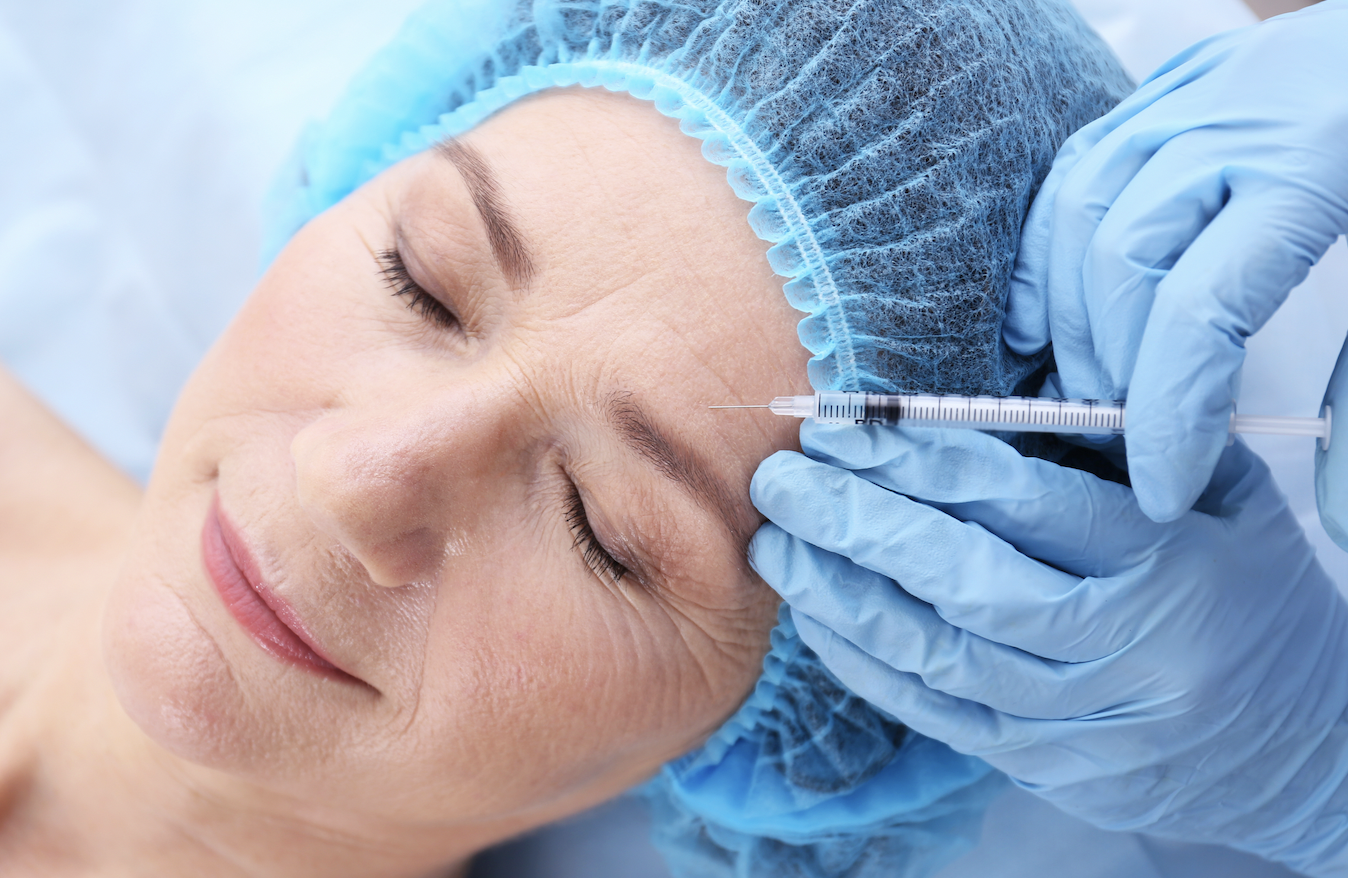
We share our thoughts on the wide choice of anti-ageing injections such as Dermal Fillers Botox, Collagen Stimulators, Polynucleotide and PRP. We also discuss the wide range of medical devices now available for anti-ageing and how they work.
Find out which treatments are the best for the various ageing concerns we develop over time.
You can also view the pros and cons of the treatments as well as other frequently asked questions to help you understand more about them and their suitability for you.
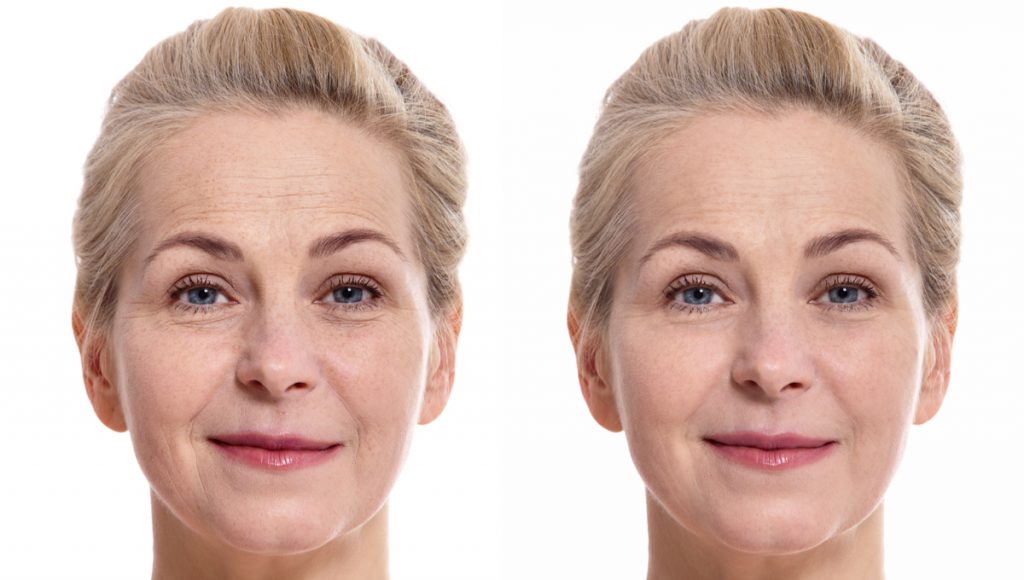
Consultant plastic surgeon Rajiv Grover confirmed that the long-term use of Botulinum Toxin (Botox) delays the ageing process in the upper face.
The study came about after Grover carried out several consultations with patients seeking a second facelift (some years after having the first with a different surgeon) and began to notice differences between those who had used Botulinum Toxin over several years and those who had not.
Patients who had been receiving Botulinum Toxin injections consistently since their first facelift were far less likely to require a brow lift than those who had not, however, there were no significant differences in the bottom halves of their faces regardless of whether or not they had used Dermal Fillers in the cheek, jowls or neck.
This initial anecdotal evidence led Grover to carry out a formal study on 68 patients who had requested a secondary facelift following a previous one some years earlier. Out of these 68 patients, 24 had received Botulinum Toxin treatment regularly for over nine years.
Grover assessed the effects of ageing on the forehead and brow in three ways:
The height of the brow itself above the pupil of the eye was measured
Digital imaging software from Canfield USA to measure how much the brow had dropped with age by analysing pictures from youth and comparing these with current pictures
The need for a surgical brow lift, as a measure of the ageing process.
What did the study show?
The study reported that the patients who had received over nine years of regular Botulinum Toxin had significantly higher brows than those who had not, with an average difference of over 3mm.
The photograph analysis backed this up, finding that the inevitable drop in brow height caused by gravity and muscle movement during the ageing process was on average significantly smaller in the patients who had received Botulinum Toxin, indicating an alteration of the ageing process.
These results meant that Grover thought fewer of the Botulinum Toxin-treated patients needed a surgical browlift at the time of their facelift surgery than the Non-Botulinum Toxin group. In fact, only two of 24 Botulinum Toxin treated patients (8%) received a brow lift, compared with 24 out of the 44 remaining Non-Botulinum Toxin group (54%).
“This is the first study of its kind to look at the anatomical effects on the ageing process from long-term use of Botulinum Toxin,” said Grover. “By rebalancing the facial muscles it appears that Botulinum Toxin reduces the changes of drooping of the forehead and brow seen with ageing. The aim of this study is not to recommend that people take Botulinum Toxin in a long-term fashion but it is important that surgeons analyse in a scientific way what the long-term effects of treatment are in order improve safety for our patients.”
Neck Rejuvenation and Turkey Neck Treatments at Cheshire Lasers
Our face and body do not age evenly. There are areas, such as the neck, where the skin is thinner, which can show signs of premature ageing. After the eye area, the skin on the neck is the most delicate. It contains far fewer elastin fibres than the face, resulting in a weaker supporting structure. The neck also lacks fatty tissue, which gives support to the skin.
As we age, women, in particular, can lose their long, slender necks as the jawline becomes heavier, leading to a double chin. The skin can become thin and crepey, developing fine lines and deeper wrinkles. The skin also loses its elasticity, becoming loose and saggy, known unflatteringly as ‘turkey neck’.
Necklines can appear as part of the natural ageing process. Our natural skin cell turnover decreases as we age, and the collagen we naturally produce depletes. This, as well as exposure to the sun and neglect of the neck in our daily routines, can cause necklines to become more prominent and add age to our overall appearance.
The neck is often one of the most exposed areas of the body, and therefore, it is essential to protect it against damage. A moisturising cream with SPF 30 or higher should be applied daily to ensure that the neck does not become dehydrated and is protected against harmful UV rays from the sun.
Most men and women seeking treatment for the neck area are looking to firm, tighten and lift loose, sagging skin, reduce fine lines, improve the jawline, and prevent the appearance of wrinkles that deepen as we age.
Classically, the main concerns related to the neck and décolletage include:
Skin laxity
Fine lines,
Neck lines
Wrinkles
Crepey skin
Double chin
Turkey neck
Neck Rejuvenation Treatment choices:
At Cheshire Lasers, a wealth of minimally invasive neck Rejuvenation Treatment options are available. This is where the value of a thorough initial assessment comes in to guide the best treatment choices for each patient’s individual needs.
The treatment options include injectable treatments, energy devices such as Radiofrequency or HIFU or high-quality topical cosmeceutical treatments.
Named after the famous youthful jawline of the Egyptian queen, the Nefertiti neck lift involves injections of botulinum toxin into the lower jaw and neckline. The amount of injections is variable depending on the muscle bulk and definition.
Best suited to patients with over active platysmal muscles pulling down the face or creating platysmal bands.
Hyaluronic acid (HA)-based dermal fillers aim to replenish lost moisture and improve volume and elasticity, making them a suitable option for treating the delicate skin of the décolletage.
Alternatively, Ellanse can be used as a collagen stimulator to improve skin texture and tighten skin. The result is plumper, smoother, less wrinkly skin.
Compared to traditional HA dermal filler injection, the treatment involves superficial micro-injections of filler to create small blebs along the valley of wrinkles.
Profhilo is a skin booster engineered for ‘skin remodelling’. It is made from hyaluronic acid, like many dermal fillers. However, rather than filling lines, it promotes collagen and elastin production to reduce skin laxity and boost skin hydration.
Profhilo’s unique characteristics make it an excellent treatment for neck rejuvenation. It improves skin texture and laxity easily in 2 sessions, with a 1-month interval. Profhilo is suitable for practically anyone, men and women, from 30 years old and with no upper age limit. Some people require a third treatment for the best results.
This treatment is slightly uncomfortable but is quick and easy to perform.
Cheshire Lasers now offers a range of injectable skin Boosters which are alternatives to Dermal Fillers.
Non-Invasive Energy Devices:
The following treatments stimulate the production of collagen in the skin. This increase in collagen helps strengthen the skin and improve wrinkles, tone, texture and laxity.
The following Neck Rejuvenation treatments are performed by our aestheticians at Cheshire Lasers:
Ultraformer III uses High-Intensity Focused Ultrasound (HIFU) with the newest paradigm of advanced technology – MMFU (Micro Macro Focused Ultrasound)
At Cheshire Lasers Clinic, the Ultraformer Neck Rejuvenating treatment delivers the best treatment for a turkey neck. It is very good at lifting and tightening the sagging jowl area. It slims the fatty pockets under the chin and jowl that pull the face and neck down, while stimulating collagen and elastin to tighten the skin.
The technology creates a lift in the skin and at the deep muscle layer (SMAS) underneath. Previously this area was reached only by a surgical facelift. It rarely cause any downtime and most people require just one treatment.
RF Microneedling delivers energy under the skin to stimulate collagen and elastin using the power of radiofrequency and microneedling. It is an excellent treatment for neck rejuvenation, as it not only stimulates the growth of collagen but also resurfaces the skin.
The downtime is very short, usually 6 to 24 hours.
You may need up to three treatments to achieve the best results.
The treatment is uncomfortable, similar to Ultraformer; however, we apply topical anaesthesia to improve the discomfort.
At Cheshire Lasers, we use Endymed or the ThermaClinic radiofrequency machines for Neck Rejuvenation.
Radiofrequency energy gently promotes collagen production and contraction of collagen fibres. This restructures, rejuvenates and tightens the skin. Most people require a course of 6 treatments for the best results.
Radiofrequency is a comfortable, safe treatment which can be quite relaxing.
The Endymed is a more advanced machine that penetrates slightly deeper than the ThermaClinic and is slightly more expensive.
Topical Treatments for the Neck
At Cheshire Lasers, we recommend and stock the following products for the neck:
The following changes make us prone to skin wrinkles:
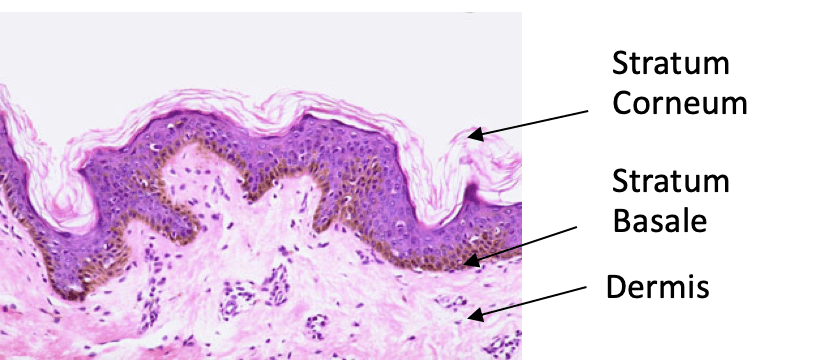
Excessive facial expressions/smoking create dynamic lines in the stratum corneum and then the dermis
Epidermal cell turnover reduces so the very top layer “the stratum corneum” is present for longer subject to the causes of ageing
The stratum corneum layer becomes more dehydrated so the lines show more
The dermis the supportive structure underneath becomes thin, less vascular and loses collagen.
The fat layer under the dermis reduces.
Facial Expressions
Facial expressions such as pursing the lips cause dynamic lines. These lines are usually seen in people that smoke due to the repetitive movements from the act of smoking. However, smoking also causes other physiological changes making smokers more prone to wrinkles all over.
Interestingly facial expression lines are often are seen around the mouth in non-smokers who have the habit of repeatedly using the muscles for their facial expressions.
Epidermal Cell Changes
The epidermis is the very top layer of skin which acts as a protective barrier. The lowest layer is the “Stratum Basale” this is where new skin cells are made. New skin cells get pushed closer and closer to the skin surface as more cells are made and over time they mature and become flatter and harder due to the keratin within them. When they reach the top layers they die and are eventually shed into the environment. As a result, these cells are found in dust throughout your home.
With age, this epidermal turnover slows down. Cell renewal time is the time a new cell takes to travel from the lowest layer of the epidermis the “Stratum Basale” to the top layer the “Stratum Corneum” and then shed off the skin.
Cell renewal time changes as we age:
Babies – 14 days
Teenagers – 21 – 28 days
Middle age – 28 – 42 days
50 and up – 45 – 90 days
That means that as we age, the top layer of skin cells forming the stratum corneum are around for a lot longer. These cells have been shown to become more dehydrated with age and have been exposed to more movement and environmental factors.
These changes mean the skin is more prone to developing wrinkles and once they develop they can be harder to treat.
Some people have a thicker stratum corneum layer and these people often need treating differently to those with a thin more hydrated stratum corneum.
Dermal Changes
The dermis the supportive structure underneath the stratum corneum becomes thin, less vascular and loses collagen with age.
The dermal thickness decreases by about 20% and the blood flow reduced by about 60%. Fibroblast activity decreases which leads to a drop in collagen synthesis. The collagen content of the dermis decreases by 1% per year throughout adult life.
The collagen remaining is less effective and loses its ability to regain its shape after deformation and also holds a lot less water.
Research has shown that wrinkles appear not so much due to the degeneration of elastin fibres, as previously thought, but also due to a decrease in the water-holding collagen and mucopolysaccharides.
Sebaceous glands produce less oil as you age. Men are fortunate and don’t experience much of a decrease until their 80s. Women gradually produce less oil beginning after menopause. This can make it harder to keep the skin moist, resulting in dryness and itchiness.
Changes in the connective tissue reduce the skin’s strength and elasticity. This is known as elastosis. It is more noticeable in sun-exposed areas (solar elastosis). Elastosis produces the leathery, weather-beaten appearance common to farmers, sailors, and others who spend a large amount of time outdoors.
Changes in the Hypodermis
The hypodermis consists mainly of fat and acts as an insulator and shock absorber. With age, there is a loss of subcutaneous fat and the skin becomes thinner and less resistant to trauma. The reduced volume of subcutaneous fat means the role of the hypodermis in limiting conductive heat loss is impaired.
When it comes to ageing the loss of fat means you lose the mattress like effect of the fat which plumps the skin out giving it a smooth appearance. As the fat goes the skin is then sat on muscle and other underlying structures which can appear wrinkly.
The mouth is an area which develops lines and wrinkles due to fat loss. This is much more common in women as they gradually lose all the fat around the mouth, whereas men are often more fortunate and keep a layer of fat. Hence why women develop lip lines a lot earlier than men.
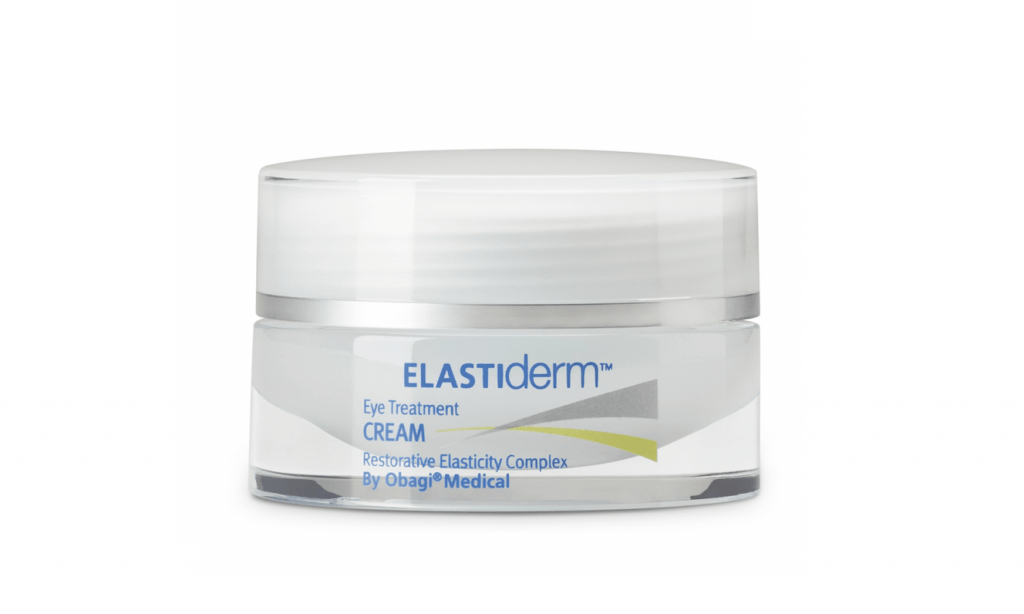
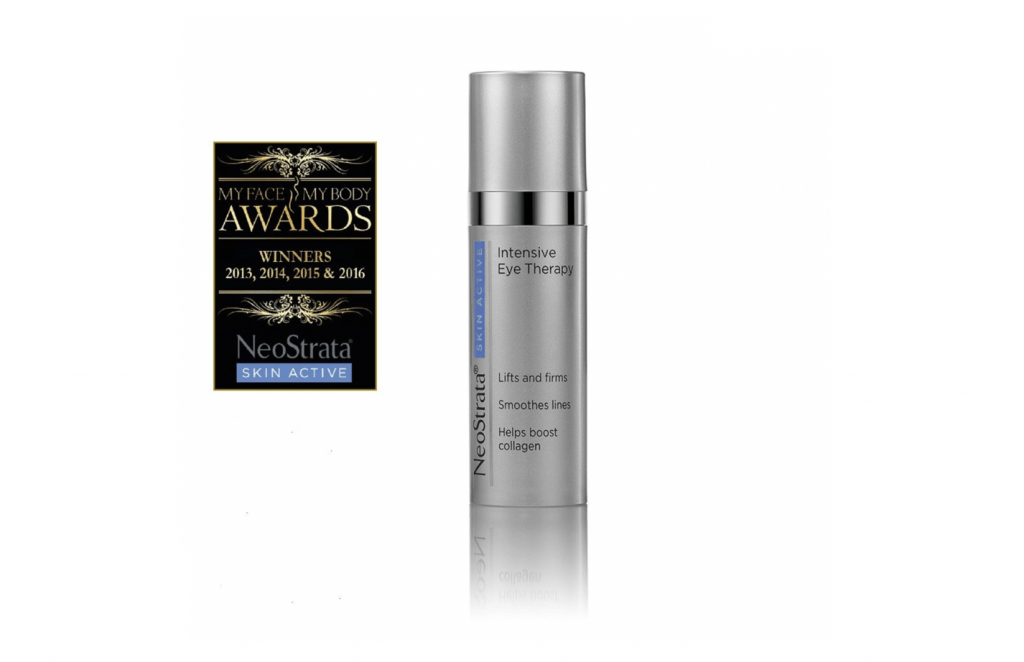
Many serums and creams designed for the eye area can treat and or prevent eye wrinkles.
The ingredients to look out for are:
Retinol.
Antioxidants
Patented peptides.
AHAs
Hyaluronic acid / B5 serum
Retinol
Retinol helps prevent fine lines as well as smooth the ones you’ve got. By stimulating your collagen and new cell turnover, it reduces collagen breakdown and stimulates the cells to work faster to create fresh, bright, non-wrinkled skin.
It takes a few months of consistent regular use to see any impact on your lines. You will probably experience some redness, dryness, and flakiness within the first month or two of use.
To help reduce the side effects, you can start slowly and use a retinol one night a week for one week, twice a week for two weeks, three times a week for three weeks, and then every other day until you can tolerate it and also get results. Then you need to continue for, well, life !!
A gentle retinol will cause less reaction but fewer results; stronger retinols will give better results but more reaction. This can be annoying, but you must persevere for anti-ageing results. Stronger retinols are only available from clinics like Cheshire Lasers. You will be advised how to use the product, and support is provided to help you achieve results.
Some people are highly responsive to retinol, while others require high-strength products to achieve results.
Due to the strength of these products, we cannot sell them online. They are only available in the clinic after a consultation with one of our Aestheticians.
Antioxidants
Antioxidants control / prevent free-radicals. Free-radicals are the main reason for skin damage created by sun exposure, smoking, alcohol and other environmental factors. You can prevent free radical damage by consuming more antioxidants in your diet, usually found in fruits or vegetables deep in colour. Applying an antioxidant serum can also make a big difference.
Antioxidant products contain vitamin C, vitamin E and Nicotinamide (vitamin B3) which is now considered to be one of the most potent antioxidants, possibly more effective than vitamin C.
Peptides are found in many effective anti-ageing skin care products. While there is no singular, miracle ingredient that will give you those instant, youthful results we all wish for, peptides are an extremely important ingredient to look for in your wrinkle fighting creams, serums, and under eye products.
Peptides are short chains of amino acids, the building blocks of proteins. Amino acids are small allowing them to penetrate the outer layer of our skin and send signals to our cells to stimulate them to function.
AHAs are alpha hydroxy acids, sometimes referred to as fruit acids. They can also be derived from nuts and milk:
They include:
glycolic acid, derived from sugar cane
lactic acid, derived from milk
mandelic acid, derived from bitter almonds
citric acid, naturally found in citrus fruit but derived from many fruit and vegetables
tartaric acid, derived from grapes
malic acid, derived from apples and pears
AHAs work by exfoliating the top layer of skin, allowing newer, healthier skin cells to show through. They are particularly useful in dry skin and may help to diminish the appearance of wrinkles.
Studies have shown that AHAs may also stimulate collagen production and reduce the changes caused by the sun damaging the skin.
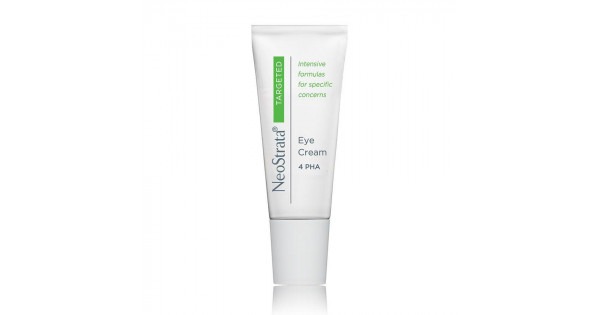
Newer, more exciting products are PHAs. They are similaAHA’sAHA’s in that they perform the same role of exfoliation, but unAHA’sAHA’sAHPHA’sPHA’s are gentler on the skin, causing less irrit,awhich ison so common to many alpha hydroxy acids. A great product to use under the eye. Gluconolactone is a powerful antioxidant and is the multi-tasker of all Polyhydroxy Acids.
Hyaluronic acid / B5 serums are a great way to reduce fine lines under the eyes. The particles act like a sponge pulling in water from the air to plump, hydrate and smooth your skin. They are lightweight, ultra-hydrating and work immediately with no irritation. The results are temporary, and the product needs to be used daily to maintain the effect.
Our favourite hyaluronic acid b5 serum is : Medik8 Hydr8 B5 Serum
It may not be an eye product, but it is great for rehydrating the skin under the eye area.
No part of the body will tell the story of your age more readily than your hands. The hands suffer environmental damage, and often have less protection than the rest of your body. Dryness, poor skin texture, age spots, uneven skin tone, visible veins, fine lines and wrinkles can all add to the general age appearance of your hands.
Want to know a person’s real age? Just look at their hands.
The natural fat cushion that we’re born with under the skin of the hands begins to lessen in our late twenties and early 30’s. By the time most of us hit 50, all the structures in the hand show up – the tendons, bones and veins.
Help is at Hand
Dr Teri Johnson and her team have been performing hand rejuvenation treatments since 2008. Over the years, they have tried and tested various treatments.
Hand Rejuvenation Treatments can address various concerns and include injectable and non-injectable treatments.
Non Injectable Hand Rejuvenation Treatments
Chemical Peels
Peels are great for fading age spots, smoothing the skin texture, and stimulating new collagen production in the upper skin layers. At Cheshire Lasers Clinic, our favourite treatment for hands is the BioRePeel with TCA. The BioRePeel has a bio-stimulating, revitalising & peeling-like effect. A single treatment often delivers a visible improvement, but for best results, we recommend a course of three every 7 to 10 days.
Microneedling
Microneedling uses tiny needles to create micro-injuries in the skin, stimulating collagen production and improving skin texture and tone. This treatment also is known for its ability to improve skin texture and can lead to a subtle improvement in pigmentation. At Cheshire Lasers, we use the EDS (Electronic Dermastamp) treatment.
Radiofrequency Microneedling
Radiofrequency microneedling combines the skin-renewing benefits of microneedling with the skin-tightening effects of radiofrequency energy. The result is a more effective treatment for improving collagen production, skin texture and firmness. Cheshire Lasers uses Dermaforce to deliver controlled heat energy deep into the skin through tiny needles. This stimulates more collagen production, often with less downtime than microneedling alone.
CACI Hand Rejuvenation
Using advanced microcurrent technology, CACI targets skin cells in the hands, stimulating collagen and elastin production. This non-invasive procedure tones, hydrates and firms the skin, reducing wrinkles and revealing smoother, younger-looking skin.
It’s also important to consider topical treatment when rejuvenating the hands. Retinoids, vitamin C serums, and moisturizers containing ingredients like glycolic acid or niacinamide can help improve the appearance of the hands over time by boosting collagen production and reducing signs of ageing. Regularly applying hand creams containing sunscreen can help prevent further sun damage and protect the hands from ageing.
Injectable Hand Rejuvenation Treatments
Injectable hand rejuvenation treatments involve injecting products into the skin to create volume in the skin, increase hydration or stimulate collagen production. Most treatments have an effect on all three of these.
The following treatments have all been shown to rejuvenate the hands:
Dermal Fillers: Dermal fillers, such as hyaluronic acid, plump up thin skin, give hydration, and minimise the appearance of wrinkles and veins.
Collagen Stimulators: Radiesse, Ellanse and Sculptra all stimulate collagen, creating firmer, tighter, plumper skin.
Skin Boosters:Restylane Vital, Profhilo, and Sunekos are examples of skin boosters they stimulate collagen and elastin production as well as hydrate the skin.
Polynucleotides: Made from DNA, stimulate fibroblasts to create collagen and elastin; they also stimulate hydration and have an antioxidant effect.
It’s important to consult with a qualified dermatologist or cosmetic surgeon to determine the most suitable treatment options based on individual needs, skin type, and desired outcomes.
Combination Treatments:
Often, a combination of treatments may be recommended to achieve the best results. For example, combining dermal fillers with laser therapy or chemical peels can address multiple concerns simultaneously and provide more comprehensive rejuvenation.
Examples of Hand Rejuvenation Treatments.
Restylane Vital Skin Boosters
Restylane Vital Skin Boosters contains small molecules of hyaluronic acid filler. When injected under the skin, it improves skin elasticity and deep dermal hydration. By moisturising from within it diminishes the fine crepey lines to give a plump and hydrated appearance.
An initial, intense treatment usually comprises three sessions, 3-4 weeks apart. Each treatment involves a series of very fine micro-injections however Dr Teri is now using a cannula more often for this treatment.
Typically, a maintenance treatment would be required after around 3-4 months.
Advantages:
Restylane Vital remains in the skin for about 4-8 months if not longer. It attracts water for skin hydration and improves skin texture while volumising the skin to help reduce the appearance of unsightly veins and tendons.
It can be dissolved by hyaluronidase.
Disadvantages:
3 treatments are usually required, and regular maintenance every 3-4 months to keep the effect.
Bruising is very common if injected with a needle.
Radiesse was launched in 2000 and is FDA approved. It is a non permanent Dermal Filler that contains calcium and phosphate based micro spheres. When injected under the skin micro spheres stimulate your skin to produce new collagen. It is, therefore, more commonly regarded as a collagen stimulator.
The product is injected directly into the skin with a cannula and then firmly massaged to ensure even coverage.
Radiesse gives an immediate improvement due to the presence of the filler. Over a few months, the results reduce slightly as the filler degrades. The results improve again as collagen production occurs creating a volume effect and an improvement in skin texture.
This treatment is great for volume loss to help cover veins and tendons in the hands.
You may only need one treatment. Although if you have older hands or hands with significant volume loss you may need a second treatment.
Advantages:
Typically, results last around 12 months.
You will need a maintenance treatment 9-15 months.
Disadvantages:
This product is not ideal for you if you have thin skin.
Radiesse filler is firm, so you need to apply strong, vigorous massage after treatment to reduce the risk of lumps after treatment.
The product does not give as much hydration.
Profhilo is a revolutionary injectable product based on hyaluronic acid (HA). After injection, it slowly breaks down so it remains in the skin for up to 28 days. While in place, it stimulates the body’s processes for regenerating skin tissue. It hydrates the skin and stimulates all four types of collagen and elastin. Hence, is why we call it a ‘bio-rejuvenator’ or ‘bio-revitaliser’.
Most people need two treatments one month apart. Older skin or extremely delicate thin skin prone to tearing may need a third.
You will need a maintenance treatment after 4-6 months for best results.
Advantages:
It degrades quickly, which often suits people who like minimally invasive natural treatments.
Treatments are easy and quick and take only 15 to 20 minutes.
The treatment is the best for thin, crepey, delicate skin.
Disadvantages:
The hydration effect creates some volumisation of the skin. However, this is often insufficient to cover visible veins and tendons due to fat loss under the skin.
Aliaxin SR is made by IBSA the same company that makes the revolutionary Profhilo. It contains 3 different hyaluronic acid molecules. One of which is the same as the one in Profhilo. The other two act more like a filler designed to hydrate, plump and volumise the skin.
Aliaxin SR is injected in the hands with a cannula. Gentle to moderate massage is then required to make sure the product is distributed evenly in the tissues.
You need one or two treatments for best results, one month apart.
If you have very thin skin a Profhilo treatment is recommended first.
You will need a maintenance treatment after around 6 months for best results.
Advantages:
This product is the best of all worlds, collagen stimulation in the skin itself to improve texture, elasticity. However it also gives volumisation, to plump and hydrated the skin due to the hyaluronic acid filler component.
Disadvantages:
You need to massage after treatment. Massage is not always possible in elderly frail skin unless this is improved first.
” Skin Booster” describes a range of Injectable Skin Rejuvenation Treatments.
The first Skin Boosters were made from hyaluronic acid gel, similar to dermal fillers. The gel was injected into the top layers of the skin to produce skin hydration and plumping.
Sometime later, more advanced products became available that did not just plump and hydrate the skin but also had an additional action on the skin cells. These new products stimulate the cells of the skin in a range of different ways, so they don’t just hydrate the skin but also stimulate the production of collagen and elastin.
These treatments perform a process of bio-remodelling, and all of them require a course of treatments a number of weeks apart.
Which Skin Booster Treatment is Best for me?
There are so many available now it is difficult to know which one is best for you. At Cheshire Lasers, we have tried so many over the years. Some we continue to use, and others we have discontinued when something better has come along.
Each treatment contains different ingredients with distinct properties and modes of action.
The procedure for delivering the treatments to the skin also varies. Some require needle injections, whereas others require a cannula to place the product into the skin. The downtime after each treatment and the common side effects post-treatment also vary.
There are pros and cons to each type. It depends on the area of concern, which treatments you have had before and how you have responded. Do you prefer a needle or cannula treatment? Or prefer to have fewer treatment sessions? Or prefer a treatment which does not contain hyaluronic acid?
Collagen stimulation is not an exact science, and some people respond to one treatment better than another.
At Cheshire Lasers, the following Skin Boosters are available:
Profhilo
Profhilo has been one of the most popular skin booster treatments at Cheshire Lasers.
This treatment has been available since 2017 at Cheshire Lasers, so our medical team have lots of experience with this treatment.
Active ingredients: Hyaluronic acid.
It involves ten injection points, which result in small lumps under the skin.
The treatment takes 5 to 10 minutes.
The lumps go down over 8-24 hours as the product disperses under the skin.
The treatment promotes collagen and elastin growth to reduce skin laxity and improve skin hydration.
Most people need two treatments, one month apart.
Results last for approximately six months.
To maintain results, you will require a maintenance treatment every 4-6 months.
Polynucleotides have been used since the 1950s; initially, they were used for wound healing.
Active ingredients: Polynucleotides ( the building blocks of DNA).
Nucleofill, Plenhyage, and Plinest are all polynucleotide treatments that regenerate the skin by stimulating collagen and elastin growth in the skin. They also improve signs of ageing, reduce laxity and dehydration, and improve scars and some pigmentation.
Polynucleotides can improve the skin anywhere. They are a popular treatment for the tear trough area, where they help decrease lower eyelid laxity, fine lines, and wrinkles and improve skin hydration.
?? It involves multiple injections into the skin with a needle or cannula.
Side effects include bruising and swelling for a few days.
The treatment stimulates fibroblasts to produce collagen and elastin, increases hydration, and has an antioxidant effect.
Most people require 2 to 3 treatments, spaced 2 to 3 weeks apart.
You will need another treatment every three to six months to maintain results. (Frequency depends on your response to treatment.)
It is a natural skin-boosting treatment that uses platelets from your own blood.
When activated, platelets secrete and release at least seven different growth factors, which enhance the natural healing processes.
The treatment involves multiple injections with a fine needle.
PRP can treat all the layers of the skin, superficial and deep.
The treatment stimulates collagen growth, improves the blood supply to the tissues and can greatly improve skin tone and texture. It also reduces fine lines and wrinkles.
Most people require three or four treatments, one month apart.
Active ingredients: Hyaluronic acid and Amino Acids.
It involves multiple injection points.
It involves injecting two different products; one is for deep hydration, and the other goes more superficially into the skin.
Sunekos stimulates the fibroblasts in the skin to produce collagen and elastin.
It helps improve skin ageing, skin dryness, acne scarring, sun damage, loss of tone & elasticity, under-eye dark circles and fine lines and wrinkles.
Sunekos can treat the face, neck, décolleté, forehead and hands. It is particularly effective in the Periocular (eye) area, to reduce fine lines, dark circles and bags.
Most people require three or four treatments, 14 days apart.
You will require a maintenance treatment every 3-6 months to maintain results.