Microtoxin, also known as Microtox, Micro-Botox, or Mesobotox, is an advanced skin rejuvenation treatment designed to improve overall skin quality rather than alter facial movement.
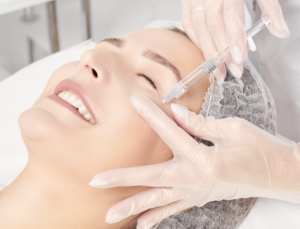
Using highly diluted botulinum toxin, tiny microdroplets are placed into the very superficial layers of the skin across the face and neck. Unlike traditional anti-wrinkle injections, which target deeper facial muscles, Microtox works within the skin itself to create a smoother, brighter, more refined complexion while preserving natural facial expressions.
The result is the coveted “glass skin” appearance – healthy, luminous, smooth skin with improved texture and radiance.
What concerns can Microtox treat?
Microtox is ideal for improving skin quality and can help with:
Enlarged pores.
Oily or greasy skin.
Fine lines and crepey skin.
Rough or uneven skin texture.
Dull or tired-looking skin.
Facial sweating.
Redness associated with rosacea.
Overall skin radiance and luminosity.
It is suitable for both the face and neck.
How does Microtox work?
Microtox works differently from traditional botulinum toxin treatments.
Instead of relaxing the muscles responsible for expression lines, the diluted botulinum toxin is delivered into the superficial layer of the skin. This allows it to:
Reduce the activity of superficial oil glands.
Minimise facial sweating.
Improve skin texture and smoothness.
Reduce the appearance of enlarged pores.
Calm inflammation and facial redness.
Improve skin quality while maintaining natural facial movement.
The treatment enhances the skin without creating a frozen appearance.
Smaller-looking pores by reducing oil gland activity.
Reduced oil production for less greasy skin.
Less facial sweating helps skin stay fresher throughout the day.
Smoother skin texture with softer fine lines.
Brighter, more radiant skin with improved luminosity.
Natural-looking results without affecting facial expressions.
Reduced redness, making it a useful treatment for some patients with rosacea.
Is Microtox suitable for rosacea?
Microtox may help improve redness associated with rosacea by reducing inflammation and constricting superficial blood vessels within the skin.
While it is not a cure for rosacea, many patients notice reduced facial flushing and a more even skin tone. During your consultation, Dr Kathryn will advise whether this treatment is suitable for your skin concerns.
What happens during the treatment?
The treatment usually takes around 10 to 15 minutes.
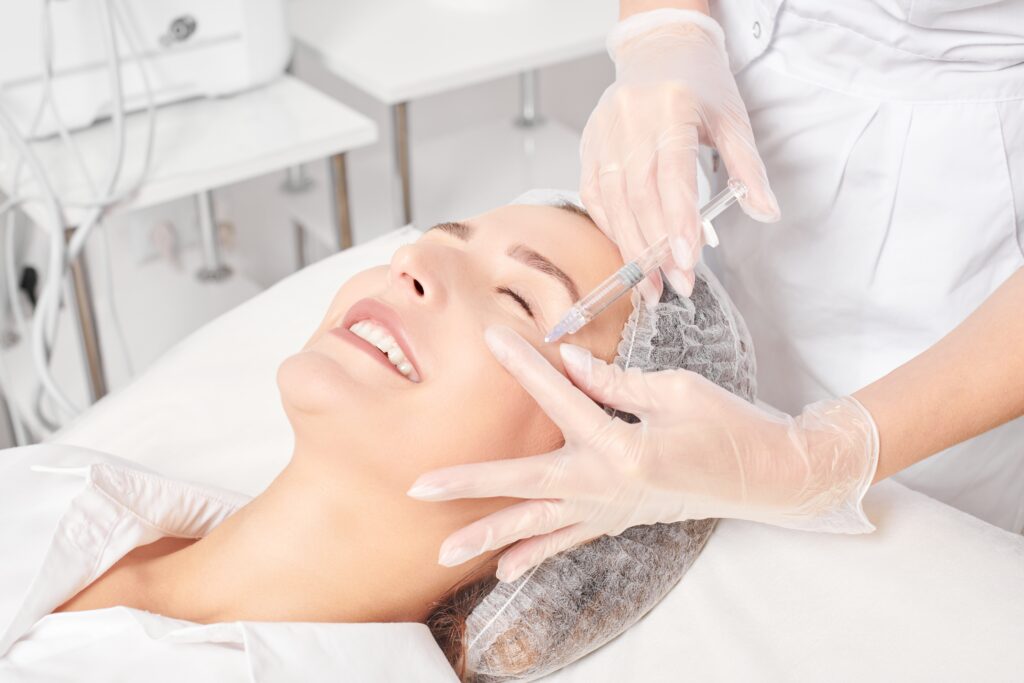
Using a very fine needle, Dr Kathryn makes multiple tiny injections of diluted botulinum toxin just beneath the skin across the treatment area.
Most patients find the treatment very comfortable, with only minimal discomfort.
Is there any downtime?
Downtime is minimal.
Immediately after treatment, you may notice small bumps, mild redness, or occasional minor bruising at the injection sites. These effects usually settle within 20 to 30 minutes, allowing most patients to return to their normal activities straight away.
When will I see the results?
Many patients begin to notice improvements within the first week, with the full results developing after approximately two weeks.
Your skin should appear smoother, brighter, more refined, and more radiant, with a characteristic glass-skin glow.
How long do the results last?
Results typically last 3 to 4 months, although this varies by individual.
Regular maintenance treatments can help keep skin consistently healthy and radiant.
What should I do after treatment?
To achieve the best results, we recommend avoiding the following for the first 24 hours:
Strenuous exercise.
Excessive heat, including hot tubs and saunas.
Prolonged sun exposure.
Facial massages or treatments.
Dr Katherine will provide you with personalised aftercare advice following your appointment.
Why choose Cheshire Lasers?
At Cheshire Lasers, all Microtox treatments are performed by Dr Kathryn Hazlehurst, who has extensive experience in medical aesthetics and facial rejuvenation.
Every treatment begins with a detailed consultation to assess your skin concerns and develop a personalised treatment plan. Our aim is to achieve healthy, natural-looking skin with subtle enhancements that leave you looking refreshed, never overdone.
If you’re looking to achieve smoother, brighter, healthier-looking skin with the sought-after glass skin glow, book a consultation with Dr Kathryn at Cheshire Lasers.
We’ll assess your skin, discuss your concerns, and create a personalised treatment plan to help you achieve radiant, naturally beautiful skin.
Cheshire Lasers Clinic in Middlewich is excited to now offer the Sunekos 1200 Performa System.
What is Sunekos?
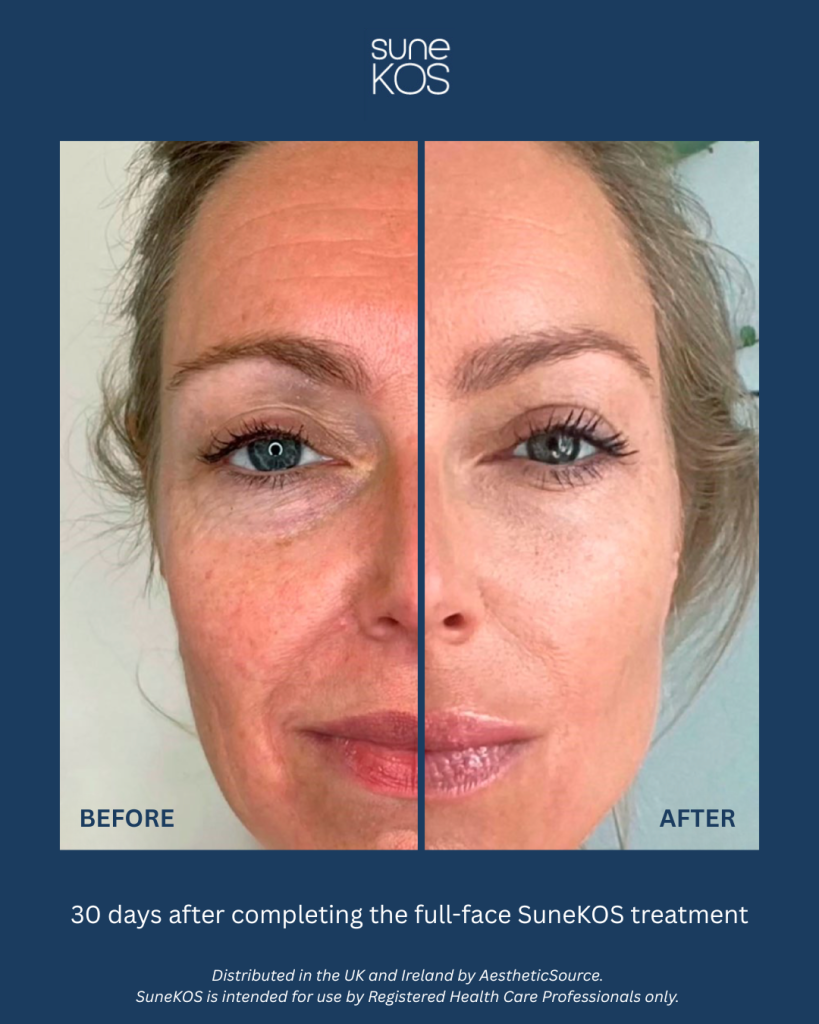
Sunekos is an injectable treatment containing 6 amino acids and Hyaluronic acid. It works by stimulating the fibroblasts in the skin to produce collagen and elastin. Sunekos helps to improve skin ageing, skin dryness, acne scarring, sun damage, loss of tone & elasticity, dark circles under the eyes and fine lines and wrinkles.
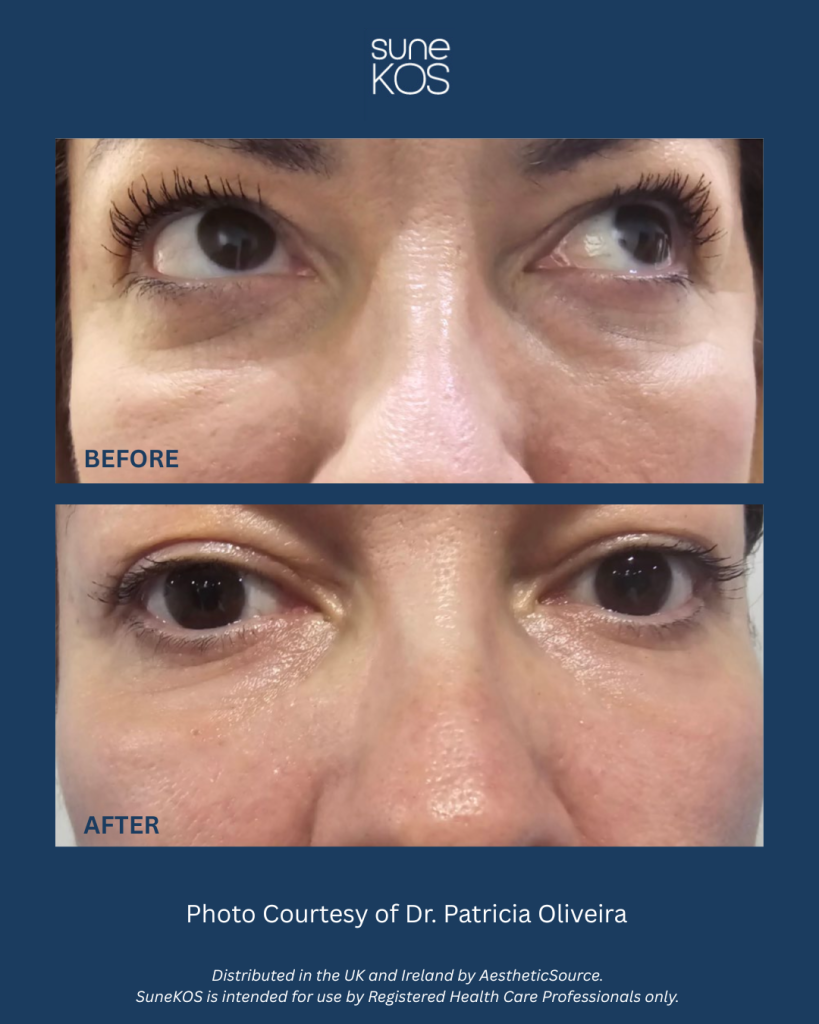
It is particularly effective in the periocular (eye) area for reducing fine lines, dark circles, and bags.
Sunekos is a natural product that not only stimulates the synthesis of collagen types 1 and 3 but also supports the synthesis of collagen types 4 and 7, as well as elastin, restoring elasticity and volume to the skin. It is a great option for people who want to improve their skin while maintaining a natural appearance.
Sunekos is also a great option for people who do not want Botox or filler treatments.
I recently had Botox and fillers. Can I still have a Sunekos treatment?
Yes. You can have a Sunekos treatment alongside other treatments to improve the quality of your skin.
Which areas can it treat?
Sunekos can treat the skin on different parts of the face and body, including the face, neck, décolleté, and hands.
Many people opt for a full-face treatment, but it can also be used on localised areas, such as the under-eye area.
It is particularly effective in the periocular area to reduce dark circles and bags, as well as on the forehead.
Sunekos can treat various indications, including loss of tone, skin ageing and premature skin ageing, skin dryness, solar elastosis, acne scarring, sun damage, dark circles under the eyes and fine lines and wrinkles.
What does the treatment involve?
A Sunekos treatment consists of a series of injections in the treatment area.
Depending on the area being treated, the Sunekos Performa protocol typically requires 3 treatments over a 4-week period. (One every 2 weeks)
Each treatment normally takes about 30 minutes.
A small percentage of people may need a 4th treatment 2 weeks later to achieve the best results.
The Sunekos 1200 Performa protocol includes an extra step during treatment 1 to address areas prone to volume loss.
Is there any Downtime?
The procedure has no downtime, and the patient can resume normal activities immediately. You will start to see some improvement after the first session.
You may have some bruising, however, which may take up to a week to resolve.
How long does Sunekos last?
Depending on the patient and their skin condition, results can last up to 6 months before the procedure is repeated.
Who performs this treatment?
Dr Teri Johnson and Dr Kathryn Hazlehurst perform Sunekos treatments at Cheshire Lasers.
It improves the skin surface, treating pigmentation and poor texture while boosting collagen and elastin to reduce wrinkles and fine lines and simultaneously tightening the skin.
Unlike traditional laser treatments that work only on the skin’s surface, Neogen also penetrates deeper layers, making it a superior option for anyone seeking to reverse signs of ageing, repair sun damage, or improve overall skin texture and tone.
Is it similar to a Plasma Pen device?
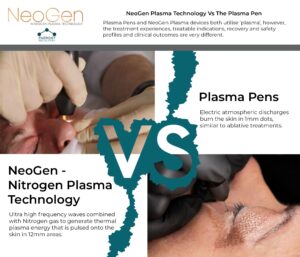
No, it is very different from handheld devices, which create tiny injuries on the skin’s surface. Neogen uses nitrogen gas, which it converts into plasma energy. This energy treats the skin more uniformly on the surface and penetrates deeper into the skin. It improves both the epidermis and dermis layers, stimulating collagen production over time while treating a range of skin concerns.
What does a Neogen Treatment involve?
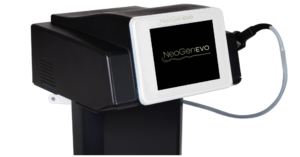
Cheshire Lasers uses the latest Neogen Plasma EVO Device, which has a range of settings to control the energy and enable various treatments, from mild to moderate to more aggressive. This ensures the outcome of the treatment chosen for you is predictable and reliable, with minimal risk of complications.
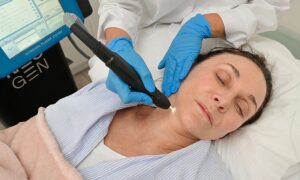
A handpiece delivers the nitrogen plasma energy and rapidly heats the skin, creating a controlled injury.
Most patients describe the feeling as warm but not painful. The intensity of the heat, however, can vary depending on the depth and intensity of the treatment. Lighter treatments feel milder, while more intensive sessions produce a stronger sensation that may require a topical anaesthetic.
The injury to the top layer leads to some superficial shedding of skin cells. This improves the skin’s texture, especially fine lines, age spots, and acne scars. It also triggers your body’s natural healing response, creating healthy new collagen and elastin, resulting in immediate skin tightening and firmer, tighter skin over time.
Whether you’re looking to enhance the overall appearance of your skin or target specific concerns, Neogen offers a tailored approach that meets your individual needs and downtime.
Which Areas Can Neogen Plasma Treat?
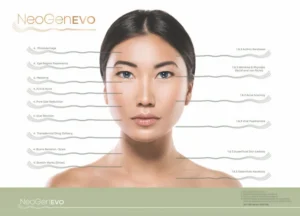
At Cheshire Lasers, we mainly treat the face with Neogen Plasma; however, we also treat the body.
This is the only treatment we can use to treat the eyelids.
What Skin Issues Can It Treat?
Neogen plasma skin rejuvenation is a versatile treatment that addresses a wide variety of skin concerns, including:
Hooded eyes
Eyelid laxity (inc. crow’s feet folds, heavy lids, under-eye folds)
Lines & wrinkles
Large pores
Pigmentation (sunspots, freckles)
Poor texture
Sun damage /photodamage
Skin laxity
Actinic (solar) keratosis
Scars
Stretch marks
What are the Benefits of Neogen Skin Rejuvenation?
If you’re considering Neogen skin rejuvenation at our Cheshire Lasers Clinic, here are some of the key benefits that make this treatment stand out:
Non-Invasive: Neogen is a non-surgical, non-invasive treatment with minimal discomfort and downtime.
Quick Recovery: Most patients can return to their daily routine shortly after treatment, with any redness typically subsiding within a few days.
Long-Lasting Results: The skin continues to improve for months after the treatment as collagen production is stimulated.
Safe for All Skin Types: Neogen plasma technology is safe for all skin tones and types, making it a versatile option for anyone seeking rejuvenation.
Customisable Treatment Levels: Whether you’re looking for a mild refresh or a more intensive anti-ageing solution, Neogen can be tailored to your specific skin needs.
What to Expect During Your Neogen Treatment
Before your Neogen treatment, we ask that you attend a consultation with one of our specialists. They will assess your skin and create a treatment plan to suit your needs.
During the procedure, the practitioner will use the plasma device to deliver controlled energy to the treatment area, creating a warming sensation as the nitrogen plasma works its magic.
Sometimes, we will apply a topical anaesthetic, but this is only necessary if you are opting for a deeper treatment. Depending on the intensity of the treatment, sessions usually last between 30 minutes to an hour.
After treatment, we will give you some products to use on your skin for the next few days to ensure you avoid any products that may irritate or delay the healing process.
What do I need to do before and after my Neogen Plasma Treatment?
How do I Book a Neogen Skin Rejuvenation Treatment
If you’re ready to experience the incredible benefits of Neogen skin rejuvenation treatment, decide whether to start your journey with a low-intensity or a more intense doctor-led one. Then book a consultation to discover how Neogen can transform your skin and help you achieve your aesthetic goals.
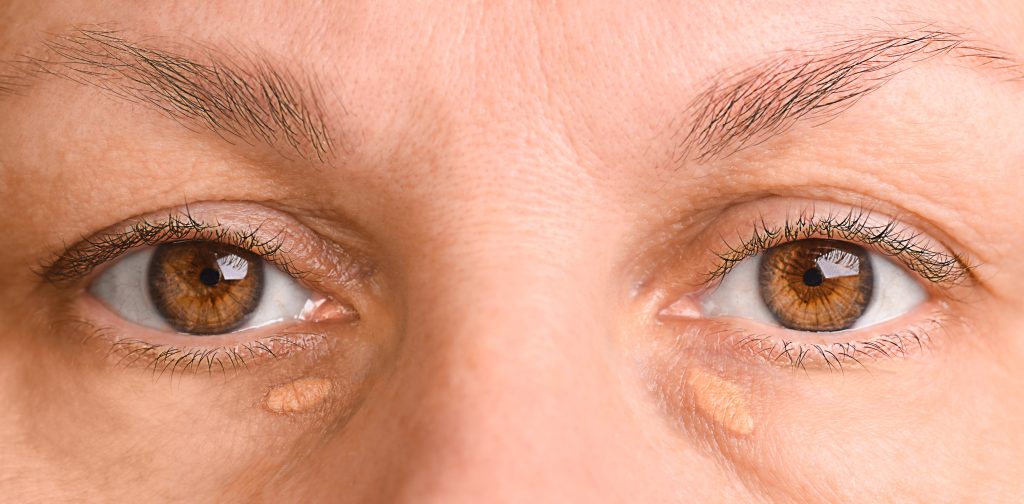
Surgeon Dr Will Allen performs Xanthelasma removal. He has specialist consultant training in cosmetic and facial reconstructive surgery and extensive experience treating the eye area.
Xanthelasma can be safely and effectively removed. Treatment focuses on eliminating the visible plaques while preserving the delicate eyelid skin and minimising scarring.
As these lesions do not typically resolve spontaneously, removal is often performed for cosmetic reasons. However, if lesions are enlarging or causing irritation, treatment may also improve comfort.
How Do You remove Xanthelasma?
Dr Allen will need to see you for a consultation to perform a thorough assessment and determine the most appropriate removal approach. He will discuss your treatment options to ensure the best possible outcome.
Dr Allen sometimes removes them via electrocautery under local anaesthetic.
He may, however, recommend a small surgical excision, as healing may be better. If surgery is recommended, you may need to attend a local specialist minor surgery clinic for the procedure.
Recovery and Aftercare
Post-treatment expectations may include:
Mild swelling or redness
Formation of small crusts (particularly with energy-based treatments)
Temporary pigment changes in some skin types
Healing generally occurs within 7–14 days, although complete skin remodelling may take several weeks. Strict sun protection and adherence to aftercare instructions are essential to optimise cosmetic outcomes.
Will Xanthelasma Come Back?
Recurrence is possible, particularly in patients with underlying lipid abnormalities. Addressing modifiable risk factors, including cholesterol management and lifestyle optimisation, may help reduce recurrence risk but does not guarantee prevention.
What are Xanthelasma?
Xanthelasma are soft, yellowish cholesterol-rich plaques that typically develop on the upper or lower eyelids, most commonly near the inner corners of the eyes. They form within the superficial dermis and, while benign and painless, can become more noticeable over time.
Why Do Xanthelasma Develop?
Xanthelasma are composed of lipid-laden foam cells deposited within the skin. Contributing factors may include:
Elevated cholesterol or triglycerides
Familial hyperlipidaemia
Increasing age
Genetic predisposition
Certain metabolic conditions
Some patients have no obvious underlying systemic abnormality.
Although xanthelasma are often associated with lipid metabolism disorders, many patients with normal cholesterol levels also develop them. For this reason, it is always a good idea to arrange a clinical assessment and blood lipid testing with your GP.
Book a Consultation
If you are concerned about xanthelasma or would like to explore removal options, a clinical assessment can determine the most suitable treatment for your individual case. Early treatment of smaller lesions often produces the most favourable cosmetic outcomes.
Should you prefer more information before your consultation, please email us at cheshirelasers@hotmail.co.uk so we can send your query to Dr Allen. Enclosing a photograph can often be helpful.
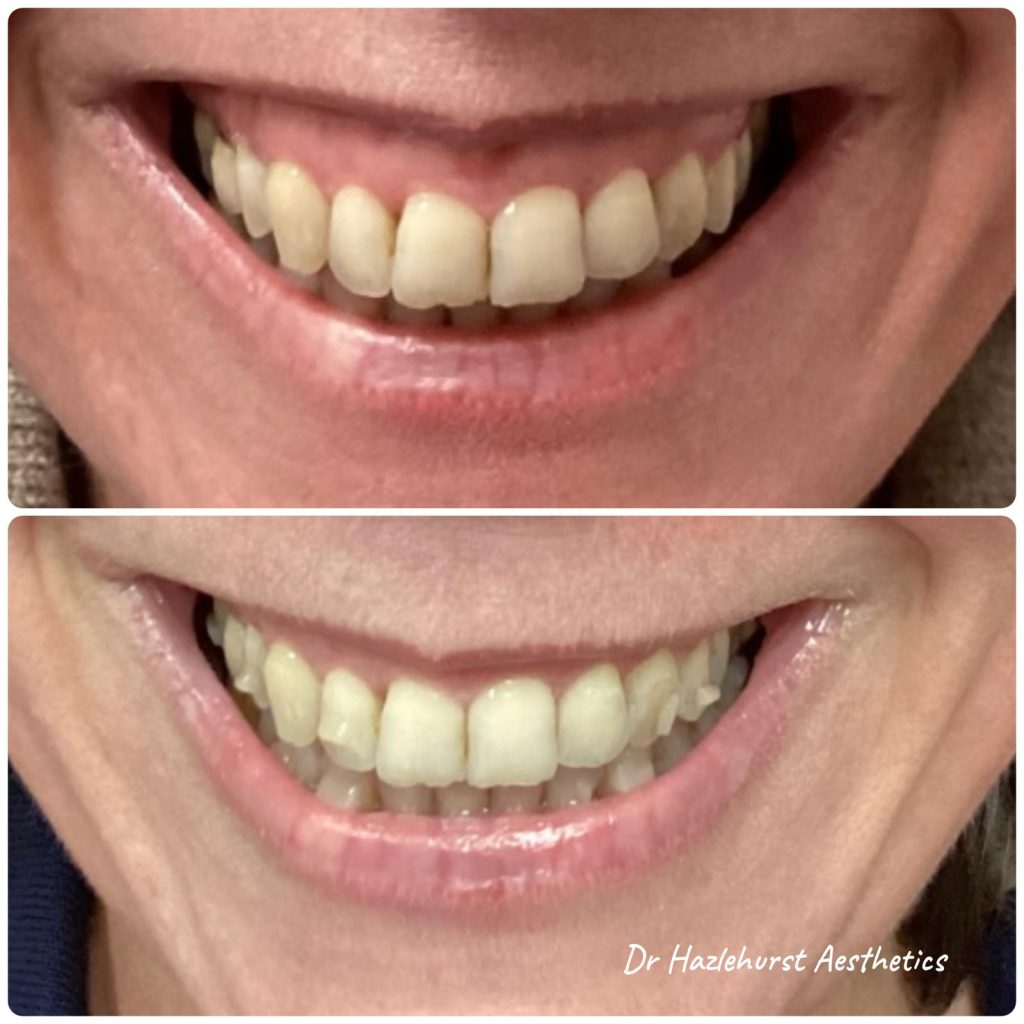
A gummy smile occurs when more of the upper gum is visible than desired when you smile. For many people, this is caused by overactive muscles that lift the upper lip too high.
How to Treat a Gummy Smile
Several treatments can improve a gummy smile, depending on the underlying cause. Common options include:
Botulinum toxin – Ideal for gummy smiles caused by overactive upper lip muscles. This is a quick, non-surgical treatment with results lasting around 3–4 months.
Lip repositioning surgery – A minor surgical procedure that limits how high the upper lip lifts when smiling, providing a longer-lasting result.
Dermal fillers – In some cases, fillers can provide additional support to the upper lip and reduce gum exposure. They are often used alongside botulinum toxin rather than as a standalone treatment.
Gingivectomy (gum contouring) – If excess gum tissue is the cause, a dentist or periodontist can reshape the gum line to expose more of the teeth.
Crown lengthening – This dental procedure removes excess gum tissue and, in some cases, a small amount of bone to reveal more of the natural tooth structure.
Orthodontic treatment – Braces or clear aligners may improve a gummy smile caused by the position of the teeth or jaw.
Orthognathic (jaw) surgery – For severe gummy smiles caused by excess growth of the upper jaw. This is typically reserved for significant skeletal concerns.
Here at Cheshire Laser, we provide Botulinum toxin and occasionally Dermal Fillers to create a more balanced, natural-looking smile.
At your consultation, your doctor will assess your concern and advise whether the treatments they provide are likely to be beneficial. Sometimes they recommend you see a cosmetic Dentist for a dental perspective also.
What does a botulinum toxin treatment for the gummy smile involve?
During treatment, a small amount of botulinum toxin is carefully injected into the muscles that elevate the upper lip. As these muscles relax, the lip sits slightly lower when you smile, reducing the amount of gum that is visible while preserving your natural facial expressions.
The procedure is quick, typically taking around 10–15 minutes, with little to no downtime. Most people can return to their normal activities immediately after their appointment. Results usually begin to appear within 3–7 days, with the full effect visible after about two weeks. The results generally last between 3 and 4 months, after which repeat treatments can help maintain your desired appearance.
Is botulinum toxin treatment for the gummy smile safe?
Botulinum toxin for a gummy smile is a safe and effective treatment when administered by a qualified medical professional.
Our doctors will tailor your treatment to your facial anatomy for natural-looking results that enhance your smile.
Who Performs Gummy Smile Treatments at Cheshire Lasers
Most of our Doctors perform Gummy smile treatments with Botox.
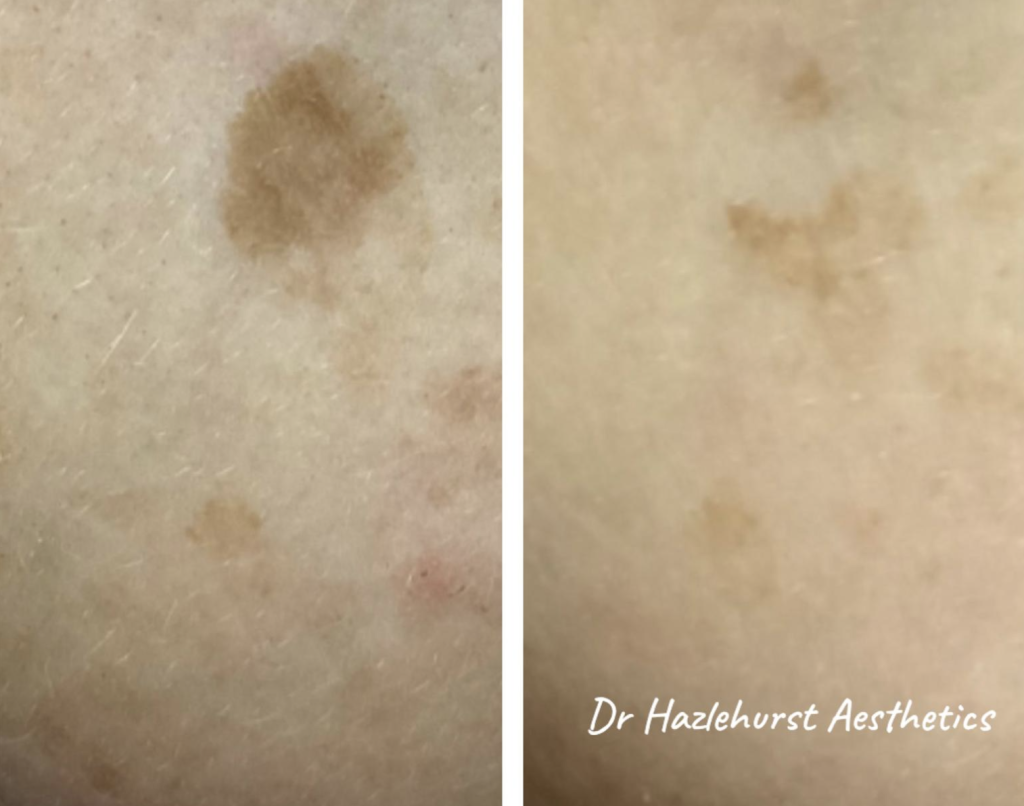
Age spots—also known as sun spots or liver spots—are a common form of pigmentation caused by prolonged sun exposure. These flat, brown marks typically appear on the face, hands, and other sun-exposed areas, creating an uneven skin tone.
At Cheshire Lasers, we offer a range of advanced treatments to effectively reduce or remove age spot pigmentation, helping you achieve clearer, brighter, and more youthful-looking skin.
What Are Age Spots?
Age spots (also known as sun spots or solar lentigines) are flat, brown patches caused by long-term sun exposure. They commonly appear on the:
Face
Hands
Décolletage
Arms
These pigmented areas form due to excess melanin production triggered by UV damage, and often become more noticeable over time.
The Most Effective Age Spot Removal Treatments
Cheshire Laser Clinic offers a full range of clinically proven pigmentation treatments, enabling us to treat both localised spots and widespread sun-damaged areas.
When considering which treatment suits you, it’s important to be aware that there are three aspects to consider:
Remove existing pigment with your treatment of choice
Reduce pigment production
Prevent recurrence
The following treatments remove existing pigment :
Best Treatments for Individual Age Spots
IPL (Intense Pulsed Light) Treatment
Targets pigmentation using light energy
Breaks down melanin in the skin for natural removal
Ideal for superficial sun damage
Can not be used on suntanned skin
Suitable for skin types 1 to 3
Provided by our Laser Technician
Laser Pigmentation Removal
More aggressive treatment for stubborn or deeper pigmentation
Can not be used on suntanned skin
Cryotherapy for Age Spots
For small, well-defined superficial lesions
Freezes and destroys the entire treatment area
Age spots darken and flake off naturally
Provided by Dr Hazlehurst
Treatments for Diffuse Pigmentation & Sun Damage
Chemical Peels and Resurfacing Treatments
Exfoliate pigmented surface layers
Brighten and smooth the complexion
Ideal for widespread pigmentation
Neogen Plasma Skin Regeneration
Advanced nitrogen plasma technology
Resurfaces the skin and simultaneously improves pigmentation
For more stubborn pigmentation, we may recommend a prescription regimen of products such as the Obagi NuDerm system. This option is provided by Dr Hazlehurst.
Treatments that Prevent Recurrence
The most important treatment here is SPF. We recommend a high SPF / sunblock at all times before, during, and after your treatment.
Book Your Age Spot Removal Consultation
Ready to achieve clearer, more even-toned skin?
✨ Our expert team will create a personalised treatment plan using the most effective technologies for your skin.
👉 Book your consultation today and take the first step toward confident, radiant skin
Book a consultation with Sultana, our Laser Technician / Aesthetician, to discuss IPL/Laser, Skin Peels, Skin Resurfacing Treatments and our topical skin treatments.
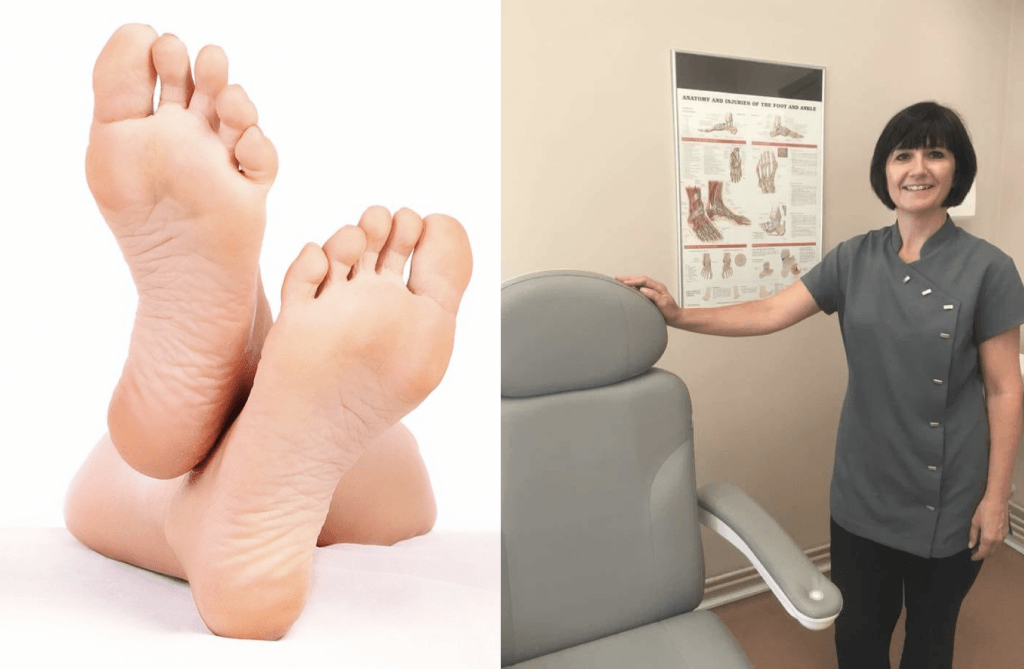
Samantha Hatton owns SJH Podiatry at Cheshire Lasers in Middlewich.
She graduated from the University of Westminster in 1992 with a degree in Podiatric Medicine. Samantha is registered with the Healthcare Professions Council (HCPC) and is a member of the Royal College of Podiatry.
Samantha has worked extensively within the NHS for over 25 years, encompassing a range of clinical and managerial roles. A large proportion of her time was spent as a Diabetes Specialist Podiatrist.
Samantha is local to Middlewich and now works solely as a private podiatry practitioner. She continues her education to provide the best advice and treatments for all clients, including children, regardless of age or medical conditions.
She ensures that she follows the College of Podiatry code of conduct, and her registration with the HCPC can be confirmed by following this link: https://www.hcpc-uk.org/check-the-register/
Samantha has her own Podiatry Clinic at Cheshire Lasers Middlewich.
They take measures to reduce any risk of cross-infection. Use sterilised instruments, and all records are strictly confidential.
What to expect at your appointment:
At your initial podiatry appointment, a general medical history will be taken, including details of any medication, lifestyle, allergies etc. A basic foot examination will include an assessment of your circulation & nerve supply, a basic structural examination, and a discussion of your foot problem. Samantha can then recommend a treatment plan.
Samantha can see anyone with any medical condition, regardless of age (including children).
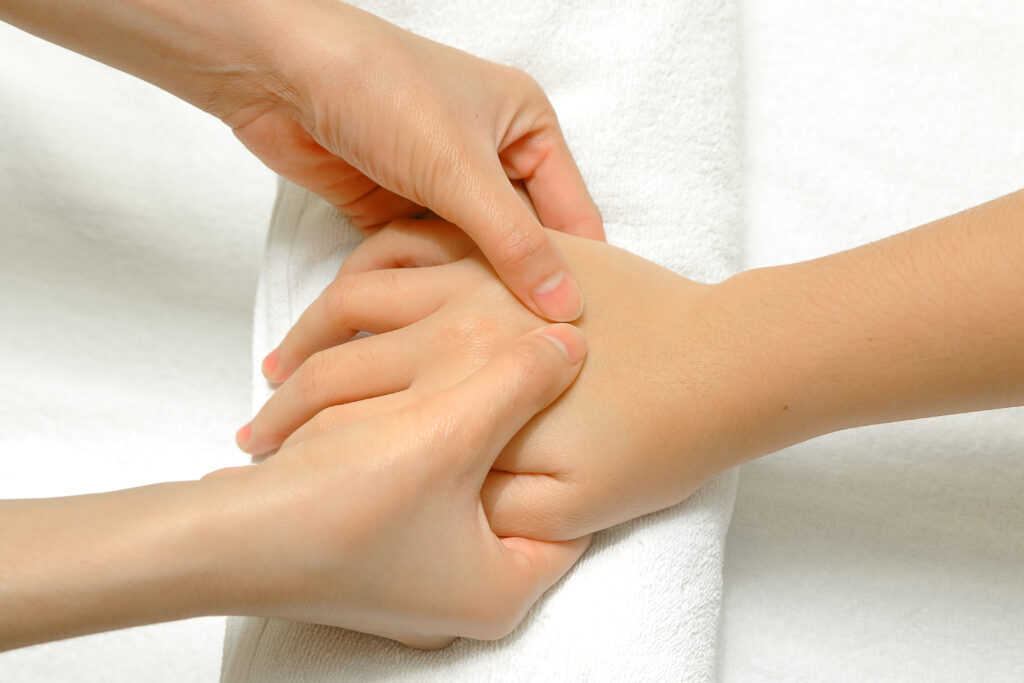
Hand reflexology is a natural, non-invasive therapy that promotes relaxation, relieves tension, and supports overall well-being. By applying gentle pressure to specific reflex points on the hands, this technique stimulates the body’s natural healing process, encouraging balance and improved function in corresponding organs and systems.
Relaxation & Wellness at Your Fingertips
Hand Reflexology can be offered as an alternative to Foot Reflexology, and is delivered as with foot Reflexology working on the various points that correspond with body organs and pressure points. It is a gentle and non-invasive therapy ideal for those who wish to experience the benefits of Reflexology via the hands. Sharron Roughton has experience of offering this to younger clients who may prefer this to foot Reflexology. Particularly suitable for Anxiety and Stress and coping with difficulties with school life.
What are the Benefits of Hand Reflexology?
Reduces Stress & Anxiety – Helps calm the nervous system and promote relaxation.
Eases Pain & Tension – Supports relief from headaches, joint stiffness, and muscle discomfort.
Improves Circulation – Encourages better blood flow and oxygenation.
Supports Digestion & Hormonal Balance – Aids in relieving bloating, constipation, and hormonal fluctuations.
Boosts Energy Levels – Restores vitality by enhancing overall well-being.
Enhances Sleep & Relaxation – Helps promote deeper and more restful sleep.
During a treatment session, Sharron will gently massage and apply pressure to key reflex points on your hands. Sessions are deeply relaxing and can be enjoyed as a standalone treatment or alongside other therapies.
Discover the benefits of hand reflexology and experience the power of holistic healing—because wellness is truly in your hands!
Dr Teri Johnson discusses her experience with injectable collagen-stimulating treatments at Cheshire Lasers Clinic Middlewich. She shares the available options for collagen-stimulating injections, their mechanisms of action, and what to expect from treatment.
What Makes Injectable Collagen Stimulators Special?
As we age, the natural production of collagen decreases, leading to wrinkles and loose, unforgiving skin formation. We also lose bone and fat in our face, which results in loss of volume and sagging. Collagen simulators can address many of these changes, delivering some fantastic results.
I fell in love with injectable collagen-stimulating treatments in 2008 when using Sculptra. This soon became my favourite treatment because of the way it stimulates our natural collagen production. Sculptra is fantastic. It can create volume like a dermal filler and also improves skin quality. Within a few weeks of treatment, you can often see an improvement in the skin’s elasticity, hydration, firmness, and texture. A few months down the line, the results are even better.
Some collagen stimulators are only suitable for treating certain areas, whereas others are more flexible and can produce collagen wherever you inject them.
Depending on where you inject a Collagen stimulator, the effect is that if used deep, they replace volume and reposition tissues, but if placed in the skin, they improve skin quality.
Types of Injectable Collagen Stimulating Treatments:
Poly-L-lactic Acid (PLLA)
Poly-L-lactic Acid (e.g., Sculptra): is a biocompatible synthetic polymer that stimulates collagen production when injected into the skin. Sculptra is a popular PLLA filler that gradually improves skin texture and volume over multiple treatment sessions. Sculptra 150mg PLLA has been available the longest since 2004 but has been available since 2000 under the name of New-Fill. It is known for its natural, gradual results, lasting over two years. In 2021, Lanluma was launched in the UK. It also contains PLLA. There are two types: Lanluma V: 210 mg for the face, which is like Sculptra, and Lanluma X: 630 mg I for treating large body areas.
PLLA is injected in a suspension. After treatment, the skin looks plumped up for a day or two but quickly returns to normal over a few days.
The results are visible from six weeks and continue to develop over many months.
The results usually last over two years; improvements have been seen in some people with Sculptra up to five years later.
Poly D, L-Lactic Acid (PDLLA)
Poly D, L-Lactic Acid (PDLLA) is a biocompatible, biodegradable polymer used in aesthetic medicine to stimulate collagen production and improve skin firmness, elasticity, and texture. It’s a newer generation of collagen stimulator similar to Poly-L-Lactic Acid with some key differences that make it more versatile, especially in delicate areas like the under-eye area. It has a smoother degradation profile which means a lower risk of nodule formation compared to older PLLA injectables.
Non-cross-linked Hyaluronic Acid (HA) for immediate hydration and subtle filling.
Poly D,L-Lactic Acid (PDLLA) microspheres, which stimulate your skin’s own collagen production over time.
Calcium Hydroxylapatite (CaHA)
Calcium Hydroxylapatite (CaHA) Fillers (e.g., Radiesse): CaHA stimulates collagen production over time. Radiesse is made up of synthetic Calcium Hydroxylapatite (CaHA) microspheres (30%) suspended in a gel carrier (70%). The carrier gel is an aqueous gel that contains sodium carboxymethyl cellulose (CMC), glycerin and high-purity water. Radieese is a flexible product that can create Volume when used deep in the tissues and can improve the skin when injected under the skin. Radiesse is sometimes used off-label in a diluted or hyper-diluted solution to treat and improve skin laxity.
The gel gives an immediate short-term filling effect; over a few months, the gel slowly degrades collagen takes its place.
The results can last up to 18 months.
Polycaprolactone (PCL)
Polycaprolactone (PCL) Fillers (e.g., Ellansé): PCL is a bioresorbable polymer that promotes collagen synthesis and provides long-lasting results. Ellansé is a PCL filler available in different formulations, offering immediate volumisation and gradual collagen stimulation. Ellansé contains PolyCaproLactone (PCL) microspheres suspended in a carrier gel. The carrier gel consists of carboxymethyl cellulose (CMC) made from non-animal, human or bacterial sources. It has a license for treating volume loss and age-related wrinkles.
The gel gives an immediate short-term filling effect; over a few months, the gel slowly degrades, and collagen takes its place.
The results can last 18 to over 30 months.
Platelet-Rich Plasma (PRP) Therapy:
Platelet-rich plasma (PRP) Therapy, also known as Dracula Therapy, involves extracting a small amount of the patient’s blood, processing it to concentrate platelets and growth factors, and then injecting it back into the skin. PRP stimulates collagen production and promotes tissue regeneration, improving skin texture and tone.
This treatment is popular as it is natural, and no artificial products are used. After treatment, the skin is slightly swollen but returns to normal after a few days. The results from this treatment are fantastic for improving skin but can be subtle as the platelets do not stay in the skin as long as the other products. It is, therefore, not as good for creating volume unless you have a lot of treatments.
The results can last 6 to 12 months.
Profhilo
Profhilo contains high concentrations of hyaluronic acid (HA), a naturally occurring substance in the body that helps maintain skin hydration and elasticity. When injected into the skin, Profhilo spreads evenly and stimulates the production of new collagen and elastin fibres through a process known as “remodelling.” This results in improved skin hydration, firmness, and overall rejuvenation. The product remains in the skin for about a month before fully breaking down, leaving behind your natural collagen.
Profhilo only improves the collagen within the skin. It has no effect on collagen production deep under the skin and has no filling / volumising effect.
The results can last 6 to 12 months.
Polynucleotides
Nucleofill, Plenhyage, and Plinest are all polynucleotide treatments that regenerate the skin by stimulating collagen and elastin growth. They also improve signs of ageing, reduce laxity and dehydration, as well as improve scars and some pigmentation. The body breaks down the polynucleotides quickly, but the cascade of collagen production can remain for some time after treatment. Polynucleotides appeal to people some people as the particles don’t hang around in your body for months like many of the other collagen stimulators available.
Polynucleotides are excellent for improving skin quality but are not recommended for filling or volumising.
Skin improvements are usually seen 7-10 days after treatment, and continues to improve for 3-4 weeks.
The results can last 6 to 12 months.
HarmonyCa Hybrid Dermal Filler and Collagen Stimulator
HarmonyCa is a two in one treatment combining a hyaluronic acid dermal filler and CaHa collagen stimulator. This treatment provides an immediate filing effect which lasts 6 to 18 months similar to other hyaluronic acid fillers combined with the long lasting collagen stimulating effect of CaHa found in Radiesse.
The results can last for 24 months.
Benefits of Injectable Collagen Stimulating Treatments:
Stimulate Natural Collagen Production
They target the root cause of skin ageing by promoting the body’s collagen synthesis.
The treatments are injectable and have minimal downtime.
Most treatments can address many concerns, including wrinkles, volume loss, and skin laxity.
Considerations and Safety:
Side Effects
While generally safe, injectable collagen stimulating treatments may cause temporary swelling, redness, bruising, or discomfort at the injection site.
Irreversibility
Some injectable collagen stimulators remain in the tissues for many months. If you have a side effect or reaction you can not dissolve the product.
This is the case for PLLA, CaHA and PLL the are the three products which are the best for creating volume. Lumps and bumps can develop after these three treatments if you do not massage the area for up to a week after treatment to prevent them. There is also a rare risk of delayed lumps and bumps occurring if the body immunity react to them at any time while the particles are still there.
Fortunately PRP, Profhilo and Polynucleotides are not prone to these issues.
Results are Variable
Different people create different amounts of collagen. Results for the collagen stimulators vary with some people creating a lot more collagen than others. Without trying the treatment it is difficult to predict how good a response you will get. Also some people respond to one treatment better than another.
Maintenance
Depending on the treatment, you will usually need multiple treatments to achieve optimal results, and periodic maintenance treatments if you want to sustain the benefits.
Conclusion:
Injectable collagen-stimulating treatments offer an effective and minimally invasive approach to rejuvenating the skin and restoring a youthful appearance. By stimulating the body’s natural collagen production process, these treatments provide long-lasting improvements in skin texture, volume, and elasticity.
Whether you’re seeking to address wrinkles, volume loss, or skin laxity, consult with a qualified provider to explore the options available and embark on your journey to revitalised skin.
Interested in booking an Injectable Collagen Stimulating Treatment?
Cheshire Lasers recommends you book a consultation to discuss the injectable collagen stimulators in more detail. We can discuss your concerns and what you hope to achieve from your treatment to help decide which treatment meets your needs.
Who performs these Treatments?
The following Doctors and Nurses Perform these injectable collagen-stimulating treatments at Cheshire Lasers:
How do I Book a Neogen Skin Rejuvenation Treatment
If you’re ready to experience the incredible benefits of Neogen skin rejuvenation treatment, decide whether to start your journey with a low-intensity or a more intense doctor-led one. Then book a consultation to discover how Neogen can transform your skin and help you achieve your aesthetic goals.