Restylane Vital Skin Boosters


restylane Cheshire dermal filler skinbooster


Restylane Vital Skin Boosters counter the effects of sun damage and provide deep dermal hydration. They improve skin elasticity, making the skin look hydrated and feel smooth to the touch. It is perfect for difficult-to-treat areas, such as the backs of hands or décolletage, as well as the face.

They contain hyaluronic acid which provides deep dermal hydration and moisturising from within to improve skin tone and health. Restylane Vital Skin Boosters diminish the fine crepey lines caused by sun damage and skin ageing. They smooth the skin to give a plump and hydrated look.

Restylane Vital Skin Boosters are part of a larger Restylane range of products. They have been around for decades, and have FDA approval.

Find out more about the Restylane range here. 


What does a Restylane Vital Skin Booster Treatment involve?

An initial, intense treatment of Restylane Vital usually comprises three sessions, 3-4 weeks apart.

The treatment involves a series of very fine micro-injections or a cannula to spread the product under the skin evenly.

There are no restrictions on how often you can receive a Restylane Vital treatment. You can repeat as often as you feel is necessary.

Typically, most people need a maintenance treatment every 4-6 months.

Why not view the Restylane website to see before and after pictures.


Skin Booster Pre-Treatment Advice

    • Pregnancy and breastfeeding are contra-indications to treatment.
    • Alcohol intake should be reduced at least 24 hours before treatment.
    • Medication such as aspirin may cause bruising, as will high doses of Vitamin E.
    • Sunbeds, waxing, electrolysis and laser should be avoided at least 48 hours before treatment.
    • Pain sensitivity may be heightened at certain times (pre-menstrual or following excessive alcohol intake).

We recommend you follow Dr Johnson’s dermal Filler pre and post-treatment advice, which you can find in more detail here.


Omnilux Light Therapy


The benefits of light therapy are widely recognised in modern medicine. most of us recognise how we are influenced by the power of light, on a warm sunny day we feel so much happier than on a cold winter evening.

Omnilux™ was developed after twelve years of research to harness the power of light to deliver safe, effective skin rejuvenation and wound healing treatments.It is a painless, totally natural treatment for a wide range of skin concerns including lines and wrinkles, general ageing, acne, psoriasis and photo damage.

Omnilux™ light therapy is suitable for you if:

  • You want to lift and rejuvenate dull, tired skin
  • You suffer from active acne and are struggling to improve it.
  • You want to start an anti-ageing therapy
  • You suffer from Vitiligo or psoriasis and want to try a light based treatment
  • You require wound healing (e.g. post surgery or after an accident)

Combining Omnilux™ light therapy with your current skin regimes and other cosmetic treatments such as Botox will enhance their effectiveness. It can also be used in combination with our Advanced Facials, Microdermabrasion, Skin Peels and Fractional Laser treatment.

The Omnilux™ system is based around narrowband Light Emitting Diodes (LEDs). Each treatment head delivers pure, optimised light that is carefully selected for the optimal dose. Cells in our body which contain receptors absorb this light which leads to increased cell energy, accelerating the normal skin processes to be more efficient. This results in increased stimulation of collagen within the skin.


What does treatment feel like?

The beauty of Omnilux™ is that treatment is totally pain-free and completely safe! It stimulates the natural functions of your skin cells without causing damage. Therefore, there is no downtime or risk of unwanted side effects.


How many treatments will I need?

We recommend a course of treatments approximately two a week for four weeks. However 1 or 2 sessions can give skin a ‘pick me up’ prior to an important business or social event.


How long do results last?

Results may vary from person to person but after a course of treatments clients report an overall improvement to skin tone, clarity and a softening of fine lines and wrinkles. The skin continues to improve for 3-6 months after a course of treatments. We recomend maintenance sessions for the best results.

This video shows Sarah Jagger from “Girlsmadeup” demonstrating an omnilux treatment on youtube.

In a single study using Omnilux revive on its own 91% of volunteers reported visible changes to their skin indicating that even 5 weeks after the last treatment there was still a positive effect on the evaluation criteria. 64% reported a reduction in fine lines and wrinkles and a perception of softer skin and 68% reported smoother skin the therapy was well tolerated and there were no reported side effects. No pain was encountered during the treatment regime and there were no reported side effects such as erythema and swelling.
Optimum hydration of subjects skin was seen at 5 weeks post treatment.

A different study showed adding in some treatments of Omnilux plus ( a head that produces a different wavelength of light) gave even better results. 83% of all subjects reported a softening of fine lines and wrinkles after a course of Omnilux revive and Omnilux plus combination therapy. Over 75% reported a marked improvement in skin softness and smoothness.


Acne

Omnilux is a popular treatment in acne prone skin, giving on average an 81% clearance in clinical trials.

We can recommend this treatment for you if you want to:

  • Reduce the number of spots and blemishes
  • Calm inflamed, painful acne
  • Accelerate healing of red blemishes and acne scars
  • Have clearer, brighter, fresher looking skin

Here is a video on youtube about omnilux for treating acne.


Images before and after a course of 8 treatments.

The Omnilux™ system delivers pure, optimised narrowband light doses to successfully treat mild to moderate acne. This pain-free light is safe and uses no ultraviolet (UV) light or lasers. Cells in our body contain receptors that absorb this light which leads to increased cell energy and accelerates the normal cellular process. Blue and red light are alternately administered.

1. The blue light kills the acne causing bacteria (P.Acnes) that can form within the sebaceous glands and cause infection leading to break outs.

2. The red light stimulates anti-inflammatory properties to accelerate the healing process and calm irritated skin and reduce redness.

We may recommend Omnilux as a stand alone treatment or in conjunction with skin peels, microdermabrasion and specialist home care products.

Light therapy is relatively quick and easy.

You lie down during treatment. The skin is first cleansed and safety eyewear placed over the eyes.

The Omnilux treatment therapeutic light is then administered for 20minutes.

Make-up can be applied immediately after treatment and you can carry on with everyday activities.


Neostrata Skin Peels


Neostrata was first launched in the U.S. in 1988 by Dermatologists Drs. Van Scott and Yu,

Neostrata uses Glycolic Acid to provide a superficial to medium depth peel. A course of peels, will give you healthier, younger-looking skin. It visibly diminishes the look of fine lines and wrinkles, smoothes and softens skin, increases hydration and suppleness, and balances irregular skin tones. It can also improve oily/acne prone skin.

Higher strengths can help to reduce the appearance of acne scarring and certain pigmentation problems.

Neostrata peels can be used on the face, the neck, the chest and the hands and can be used on all types of skin including: fine skin, normal skin or greasy or thick skin. It can also be used safely and effectively on black and asian skin.

Our cosmetic technicians can perform: 20% glycolic acid and 35% glycolic acid peels.

Our medical team are able to perform the 50% glycolic acid and 70% glycolic acid peels. Used for more aggressive treatment of sun damaged skin.

Before a treatment skin preparation is required for at least 2 weeks with a glycolic acid type product. There are a number of special creams and lotions available to be used in combination with Neostrata peels depending on your skin type.

Peels should not to be used in Pregnant or breastfeeding women. Peel program

The NeoStrata Skin Rejuvenation System is a glycolic acid peel system that can only be performed as an in-office procedure by a trained professional. It provides controlled and predictable removal of surface skin cells, stimulating skin renewal to improve the appearance of the skin. You will notice a difference in your skin texture immediately.

The procedure is fast and convenient, taking only about fifteen minutes. And with virtually no recovery time, you can be back to your normal routine the same day. There is no significant pain or discomfort or need for anaesthesia.

It takes usually 4-6 treatments at two to four week intervals to achieve the desired effect All body areas appear to respond well to treatment with glycolic acid; however, the arms, hands, neck and chest all improve at a slower rate than the face.

Most patients can undergo glycolic peeling without any side effects. The treated skin is virtually normal in appearance. The fact that the patient underwent a peel in usually undetectable to others. Although rare, a patient may experience mild sloughing, producing some weeping or scabbing. Some redness is temporary and normal. Any of these side effects may be covered with make up. Rarely, if scabs are picked, scarring may occur or areas of hypopigmentation (lighter coloured skin) or hyperpigmentation (darker coloured skin) may result from a peel.


To book a Neostrata peel please arrange a consultation to discuss the skin care products required to prepare your skin, we can then arrange your first treatment after 2 weeks of using the products. the products may cost between £25 and £90 depending on you skin requirements.


View the full range of peels on offer at Cheshire Lasers and our peel prices here


Tattoo Removal


Tattoo removal Cheshire


Tattoo Removal at Cheshire Lasers


At Cheshire Lasers we use A Lynton Q-Switch Laser for Tattoo Removal. Made locally in Holmes Chapel by Lynton Lasers, it uses advanced technology for Tattoo Removal. Q-switch lasers are the only type of laser that are safe and effective for the removal of tattoos.

Not all lasers are the same and not just any laser can safely remove tattoos.


What type of Tattoos can our Lasers fade?

Our laser can fade away tattoos of various size and colour. Tattoos are of two main types: the Indian ink amateur tattoo or the multi-coloured, professional tattoo.


What colour Tattoos can it fade?

Single-colour tattoos usually respond best to laser tattoo removal. Multi-coloured, professional tattoos are much more difficult to eradicate completely.

Black, blue and red colours in the tattoo respond best to treatment, but green, yellow and purple pigment can be more difficult.

Green coloured tattoos require different lasers for successful treatment, and we may need to recommend a specialist clinic with a ruby laser to remove this colour.


At Cheshire Lasers Tattoo Removal is popular for people who:

  • Wish they had never got a tattoo
  • Who are looking to fade a tattoo for a new design
  • Need to remove a tattoo to help pursue a career

What happens during a Tattoo Removal Treatment?

Active Q-Switch Lasers that generate a high powered beam of laser light in an extremely short pulse are the most suitable lasers for tattoo removal treatment. The light is absorbed by the tattoo ink particles, breaking them down into smaller pieces, enabling your natural immune defences to absorb and disperse the ink. A gradual fading of the tattoo occurs over a series of treatments.

The skin is cleaned and the laser applicator is passed over the tattoo releasing quick pulses of light. You will hear an audible clicking noise as the ink particles shatter. After treatment, we will apply a dressing to keep the area clean and dry.


What does it feel like?

Most clients describe the sensation as similar to a hot pin prick or the flick of an elastic band. Whilst mildly uncomfortable, most people tolerate the treatment well. A skin cooling device may be utilised to reduce any discomfort.


How does the skin look after a Tattoo Removal treatment?

An instant whitening of the skin occurs but this generally fades quickly. The area is likely to feel tender for a few hours and can be red and swollen for up to 48 hours.  Initially, the tattoo is unlikely to look any different but will fade over 4 to 8 weeks as the body breaks down and disperses the pigmentation.


What is the recovery period?

Some tattoos can graze or blister, if so make sure you left to heal naturally. After your treatment, we will apply a dressing. Keep the area dressed and covered until the area heals. This is important if you develop blistering or grazing, it is also important not to not pick the area while it is healing.

Very rarely the skin may become lighter or darker, or larger blisters may form.

Changes to skin texture and scarring is possible, though very uncommon and is more likely if grazes are not allowed to heal naturally. There may be loss of natural tanning ability in the area treated which usually improves with time.


How many treatments will I need?

This depends on a number of factors such as the density and colour of the tattoo and the age of the tattoo. Amateur tattoos can be quick to remove, taking 1 to 6 treatments, whereas professional tattoos vary considerably and can take up to 15 treatments. We recommend you have your treatments every 6 to12 weeks.

Treatment can take 10 minutes to 30 minutes depending on the size of the tattoo.

At Cheshire Lasers we also provide Tattoo fading for clients who wish to alter a part of their tattoo.


View some Tattoo Removal Before and After images:

tattoo removal Cheshire middlewich


View Cheshire Lasers Tattoo Removal Prices here.


Under Eye Injectable Treatments


skin booster Nucleofill sunekos Cheshire


The following treatments all stimulate collagen in the skin to improve skin texture and elasticity; they can also improve dark circles and hollows.


Juvelook

Juvelook is a hybrid injectable biostimulator treatment. It was launched in the UK in August 2024.

Juvelook combines:

  • Non-cross-linked Hyaluronic Acid (HA) for immediate hydration and subtle filling.
  • Poly D,L-Lactic Acid (PDLLA) microspheres, which stimulate your skin’s own collagen production over time.

It is the only injectable biostimulator treatment available for use in the delicate areas, such as the under-eye (tear trough) zone, in the UK

Juvelook can help improve:

  • Mild under-eye hollows/tear troughs
  • Fine lines, crepey skin with texture irregularities
  • Skin laxity

How Juvelook works:

The HA (non-cross-linked) gives an instant hydration and smooth appearance to the skin.

Over the next few weeks, the PDLLA encourages fibroblasts to produce new collagen and elastic fibres, improving skin firmness and texture.

A course of  1-3 treatments every 4-8 weeks to achieve optimal results. The results can last around 9- 12 months, depending on the number of sessions. With maintenance, the results last longer.

Juvelook treatments are performed by:


Polynucleotide Treatments

Polynucleotide treatments ( PN) are one of the most popular under-eye injectable treatments available in the UK. They have been around since 2021 and are known for their subtle natural results.

They work as a skin booster rather than a filler. Improve skin quality, including texture, hydration and elasticity, resulting in the reduction in fine lines.  Unlike tear trough fillers, which can lead to overfilling or an unnatural puffy appearance, polynucleotides do not change the shape or contours in the area.

By enhancing the body’s natural collagen production, PN treatments deliver a subtle, gradual improvement that blends seamlessly with the surrounding skin. A range of Polynucleotide treatments are available, some of which are specifically for the eye area.

Nucleofill, Plinest, Plinest Eye, Plenhyage, PhilArt and PhilArt Eye are the most commonly used products in the UK.

They all contain Polynucleotides ( the building blocks of DNA).

All of the treatments involve multiple injections into the skin with a needle or cannula.

Side effects include bruising and swelling, which usually go away after a few days.

The treatment stimulates fibroblasts to create collagen and elastin; it also stimulates hydration and also has an antioxidant effect.

Most treatments require three treatment sessions, two to three weeks apart.

To maintain results, you will need another single treatment every three months. (Frequency depends on your response to treatment.)

Polynucleotide treatments are performed by:


Sunekos

sunekos CheshireSunekos has been around since 2020.

Active ingredients:  Hyaluronic acid and Amino Acids.

It involves multiple injection points.

It involves injecting two different products; one is for deep hydration, and the other goes more superficially into the skin.

Sunekos stimulates the fibroblasts in the skin to produce collagen and elastin.

It is particularly effective in the Periocular eye area to reduce fine lines, dark circles and bags.

Most people require four treatments, 7-12 days apart.

You will require a maintenance treatment every 3-6 months to maintain results.

Sunekos is performed by Aesthetic Nurse Moira Grobicki.


Tear Trough Fillers

Tear Trough rejuvenation is a non-surgical aesthetic treatment using Dermal Fillers.

The Dermal Filler contains hyaluronic acid.

??The treatment involves a sequence of injections with a needle or a cannula. Injections are generally deep on the bone at the base of the tear trough to lift the soft tissue and skin under the eye area.

The recovery time is quick, but patients can expect mild swelling for a few days to a few weeks.
Mild bruising is common after filler treatment of the tear trough.

For best results, you may require two or possibly three gentle, subtle treatments to improve the area slowly. This will reduce the risk of a puffy, overfilled appearance commonly seen with tear trough fillers.

Tear trough fillers are a high-risk procedure, and many people are not suitable for this treatment.

A consultation with one of our medical team is important before considering this treatment. Find out more about tear trough fillers here.

This treatment is performed by:


Platelet Rich Plasma (PRP)

PRP is a natural skin rejuvenating treatment using platelets from your blood.

When activated, platelets secrete and release at least seven different growth factors, which enhance the natural healing processes.

???The treatment involves multiple injections with a fine needle.

PRP can treat all the layers of the skin, superficial and deep.

The treatment works well under the eyes; it stimulates collagen growth, improves the blood supply to the tissues and can greatly improve skin tone and texture. It also reduces fine lines and wrinkles.

Most people require three or four treatments, one month apart.

Aesthetic Nurse Moira Grobicki performs PRP.


Pigmentation Removal with IPL / Laser


At Cheshire Lasers, we use our very effective Lynton Lasers Lunina Machine a for IPL and Laser for pigmentation removal.

laser pigmentation removal Cheshire


Intense Pulsed Light offers a very effective treatment for pigmented marks such as age/liver spots and freckles that appear on the face and hands.

Laser treatment can remove deeper, larger areas of pigmentation such as birthmarks. Both treatments are non-invasive and result in a more even skin tone.


Consultation Procedure

Prior to any treatment our Level 4 IPl and Laser technician will provide a full consultation.

The consultation identifies your expectations and provides a complete explanation of the treatment. A medical history is taken to confirm suitability for treatment and if you wish to proceed a written informed consent is obtained and a test patch is performed to confirm that there are no adverse skin reactions to the light.


How do Intense Pulsed Light and Lasers work?

Intense Pulsed Light systems release precisely controlled very short pulses of filtered light that are absorbed by the melanin in freckles, sun spots or liver spots. The pigmented area absorbs the light and is heated, and is removed by skin renewal. Following treatment, the pigmented area turns darker and may crust. Over the following weeks, the pigmented area will gradually flake away from the skin leaving little trace of the original mark.


How is the Pigmentation Removal treatment carried out?

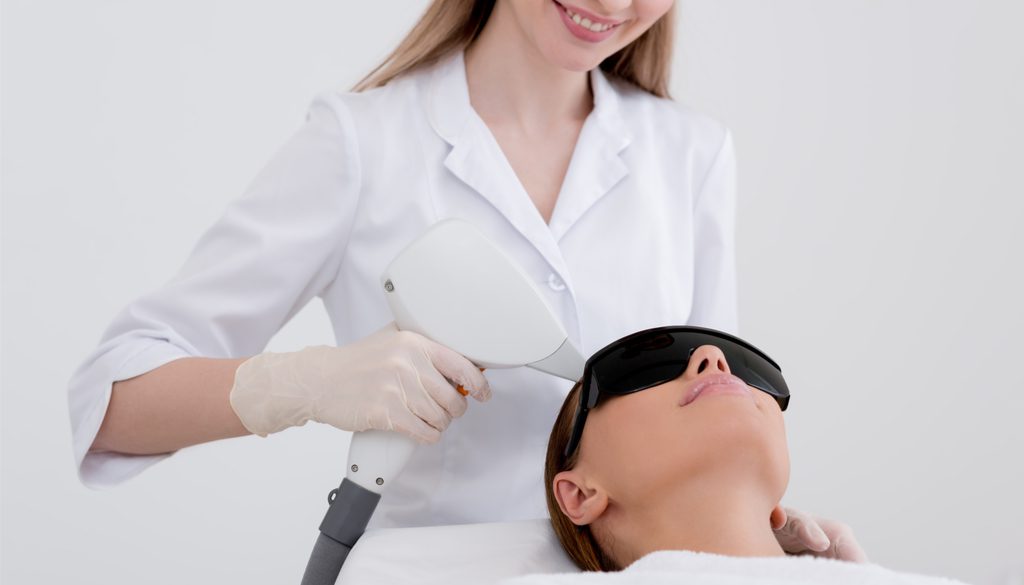
You will be asked to put on goggles to protect your eyes. In Intense Pulsed Light treatments, a layer of chilled gel is applied to the area to guide light into the skin. The area may also be cooled to increase comfort during treatment. The light applicator is placed on the skin and a short pulse of light is released. The applicator is then moved to the neighbouring area and the process is repeated until the entire area is treated. The chilled gel is removed and the area cooled.


Am I suitable for treatment?

We can treat most pigmentation marks such as age/liver spots and freckles that appear on the face and hands.

However due to the way IPL and Lasers work we cannot treat you if you have:

  • Dark skin ( type 4-6)
  • Tanned skin (even if it is a few weeks old)
  • Skin with fake tan remaining

We can only treat skin types 1-3 for pigmentation removal.

We can not treat all pigmentation, large, dark moles can not be treated, nor can we treat large areas of pigment of the body. The pigmented marks that respond the best are superficial lesions such as those caused by sun damage (sun spots) and freckles.

If you are not suitable for treatment, we have a range of highly effective alternative treatments, such as Cysteamine Cream, we can advise you about.


How does the treatment feel?

Most patients describe the discomfort as moderate and acceptable. No anaesthesia is required. Sensations vary but most describe it as a very short hot pinprick.


What should I expect after the IPL / Laser Pigmentation Removal treatment?

The area will be tender for several days after treatment. After Intense Pulsed Light treatment, the lesion will darken and may appear more obvious, but will gradually fade and ‘flake’ off over the following weeks. After laser treatment, an initial whitening of the area is seen which quickly fades and the pigmentation will fade over the following few weeks. It is important that any crusts are not picked so the skin can heal naturally.


What are the side effects of an IPL / Laser Pigmentation Removal treatment?

Provided you do not have dark skin or tanned skin, patients experience very few side effects.

You may experience redness, which can be quite obvious immediately afterwards. This usually reduces quickly in a few hours and disappears within a few days.

The skin of some patients becomes darker where the pigment was treated but this usually flakes off after a few days but can take up to a week.  Sometimes the skin becomes lighter and sometimes small blisters may form in the treated area.


How long does each treatment take?

The length of each treatment will depend on the type and size of lesion present, but a typical session will take 15 to 30 minutes.


How many treatments are necessary?

The number of treatments will depend on the type and size of the pigmented mark present, but typically 1 – 3 treatments will be needed. Treatments should take place approximately every 4 to 6 weeks.


View Cheshire Lasers Prices for Pigmentation Removal with IPL / Laser here.


View further pre and post treatment information if you are considering booking this treatment here.


Find out how to book Pigmentation Removal with IPL / Laser at Cheshire Lasers here.


Wart Removal

Aesthetic Nurse Moira, Dr Kathryn Hazlehurst and Dr Kyra Drinnan perform Wart Removal at Cheshire Lasers.


What are Warts?

Warts are small, rough lumps that often develop on the skin. They are common on the hands and feet but can occur anywhere on the skin.

Warts vary in appearance depending on where they are on the body and how thick the skin is. They can develop in isolation or in clusters and are non-cancerous.

Some warts are more likely to affect particular areas of the body. For example, verrucas are warts that usually develop on the soles of the feet.

Most people will have warts at some point in their life. They tend to affect children and teenagers more than adults.


What causes Warts?

Warts are caused by an infection with the human papilloma virus (HPV). HPV is a family of viruses that affect the skin and moist membranes (mucosa) that line the body.

The virus is present in the skin cells of a wart. It causes an excess amount of keratin, a hard protein, to develop in the top skin layer. The extra keratin produces the rough, hard texture of a wart.

There are more than 100 different strains of HPV. Different strains are responsible for different types of warts.


Spreading the Virus

HPV is passed through close skin-to-skin contact. It can also be transmitted by indirect contact – for example, from contaminated objects, such as towels, shoes, areas surrounding swimming pools, or surfaces and floors of communal changing areas.

Warts can be contagious for as long as they are present on your body. The virus is more likely to spread if the skin is wet, soft or has been in contact with a rough surface.

Warts can also be spread to other parts of your own body. You can spread the virus if you:

  • scratch, knock or bite a wart
  • bite your nails or suck your fingers (if they have warts on them)
  • shave your face or legs

This can cause the wart to break up and bleed, making it easier for the virus to spread. You are particularly vulnerable if you have scratches or cuts on the soles of your feet.


Are Warts Contagious?

Warts are very contagious, and close skin-to-skin contact can pass on the infection.

The infection can also be transmitted indirectly from contaminated objects or surfaces, such as the area surrounding a swimming pool.

After becoming infected, it can take weeks or even months for a wart or verruca to appear.


Treating Warts

Most warts are harmless and clear up without treatment. The length of time it takes a wart to disappear will vary from person to person. It may take up to two years for the viral infection to leave your system and for the wart to disappear.

You might decide to treat your wart if it is painful, or in an area that is causing discomfort or embarrassment.

Common methods of treatment include:

Surgery is not usually recommended for warts.

Treatments for warts are not completely effective because they only remove the wart and not the HPV infection. Warts will often return following treatment due to the virus still being present.

The wart will only fully go when the infected person’s immune system realises it is being invaded by the HPV strain and produces antibodies against that particular strain.


Treating Warts with Cryotherapy

At Cheshire Lasers Moira often uses cryotherapy for wart removal.

Cryotherapy is is a quick affective way of improving the cosmetic appearance of warts. During cryotherapy an ice cold gas is sprayed onto your wart to freeze and destroy the affected skin cells. After treatment, a blister may form, followed by a scab, the skin treated generally falls off 7-10 days later.

Cryotherapy usually takes a few minutes and it can be painful for a few seconds. A feezing cold gas is sprayed directly onto the wart for 2 or 3 cycles during each treatment session.

Large warts sometimes need to be frozen several times, 2 to 3 weeks apart, before they improve.

Cryotherapy may be used for most areas of the body, including the face.

We do not recommend Cryotherapy to treat young children because they may find the treatment too painful. It may also be difficult for them to stay in the same position while having the treatment.

Possible side effects of cryotherapy include:

  • pain and blistering
  • your skin may become darker (hyperpigmentation) or lighter (hypopigmentation), particularly if you have black skin
  • your nails may change in shape or structure if cryotherapy is used to treat warts under the nails

Prices for Cryotherapy

Aesthetic Nurse Moira, Dr Kathryn Hazlehurst and Dr Kyra Drinnan  perform most wart removal treatments using cryotherapy at Cheshire Lasers. Sometimes  they use electrocautery  to cauterise the lesion using a fine electrical cutting tip.


View Moira’s prices for Wart Removal at Cheshire Lasers here.

Dr Hazlehurst’s prices for wart removal are here.

Dr Kyra’s Prices for Wart Removal are here.


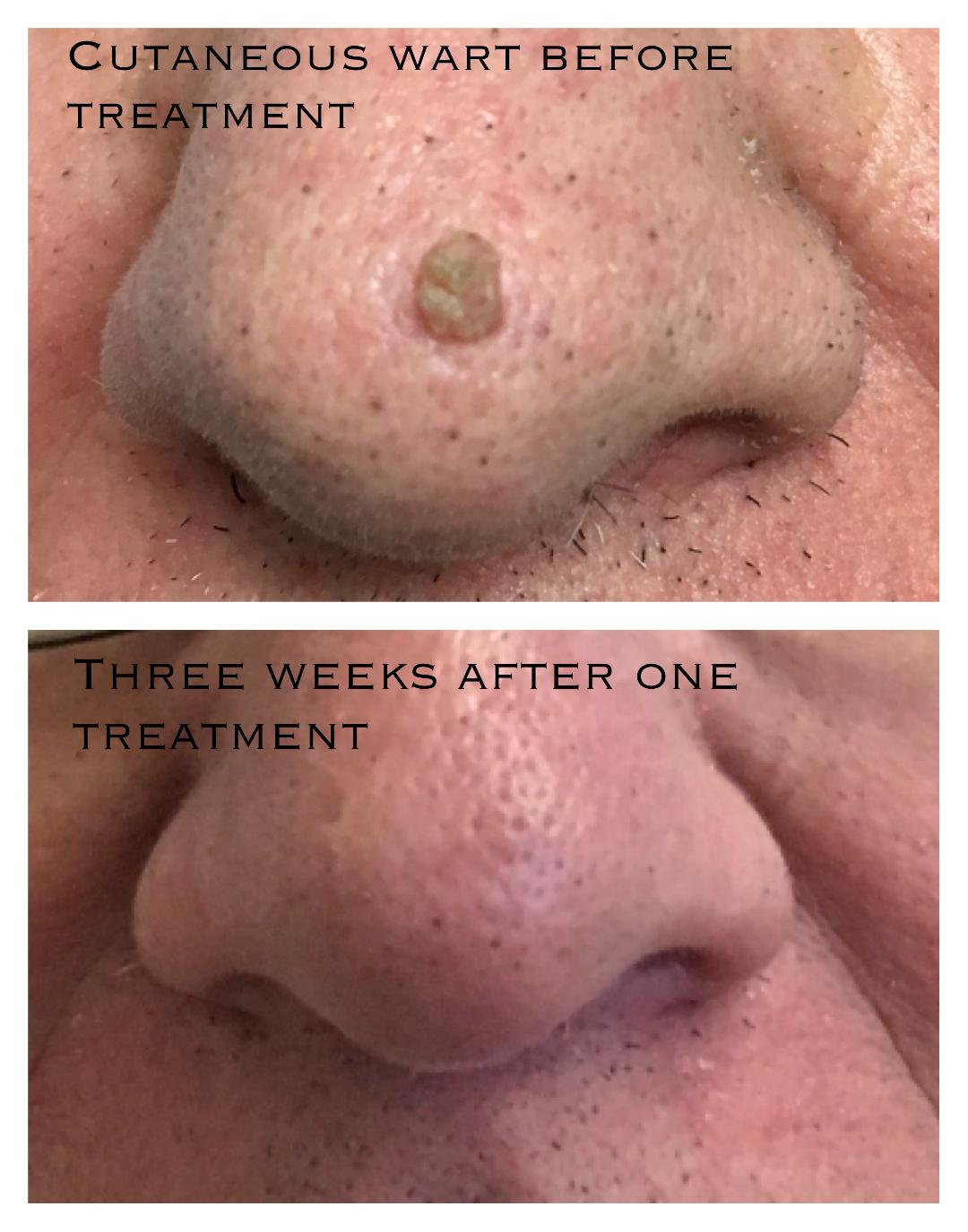
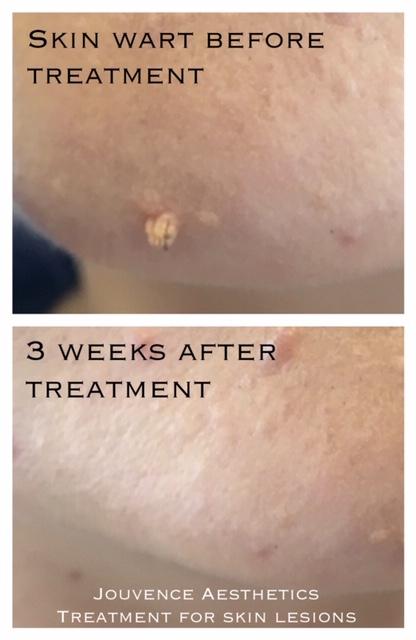
View some of Moira’s patients before and after Wart treatment here:

wart removal cheshire middlewich

Wart Treatments in Middlewich, Cheshire


Tags:

Hyperhydrosis


hyperhydrosis treatment in Cheshire

Cheshire Lasers Hyperhydrosis Treatment Information

Do you suffer from embarrassing excessive sweating?


Hyperhydrosis, also spelt Hyperhidrosis, is the medical term for excessive sweating.

In 2004, the FDA (U.S. Food & Drug Administration) approved BOTOX (Botulinum Toxin Type A) for the treatment of severe primary axillary Hyperhydrosis (excessive sweating of the underarms) in patients unable to obtain relief using antiperspirants.

BOTOX is the most studied brand of Botulinum Toxin in the world. It can treat a wide range of conditions, including spasticity and movement disorders. Botox has FDA approval in the United States for the treatment of excessive sweating.

Local injections of Botulinum Toxin alleviate the symptoms of Hyperhydrosis.

Research has shown that treating the armpits, hands, feet, and face with Botulinum Toxin is safe and effective.

In one clinical study involving 322 patients with severe underarm sweating, 81% of the patients receiving Botulinum Toxin injections achieved a greater than 50% reduction in sweating. 50% of the patients had their excessive sweating relieved for at least 201 days (nearly 7 months).


How does Botox stop Hyperhydrosis?

Botulinum Toxin is a natural, purified protein with the ability to temporarily block the secretion of the chemical in the nervous system that is responsible for “turning on” the body’s sweat glands. By blocking or interrupting this chemical messenger, Botulinum Toxin “turns off” sweating at the area where it has been injected.


What does a Hyperhydrosis treatment involve?

Your doctor or prescribing nurse will first identify the area of excessive sweating and the location of the sweat glands.

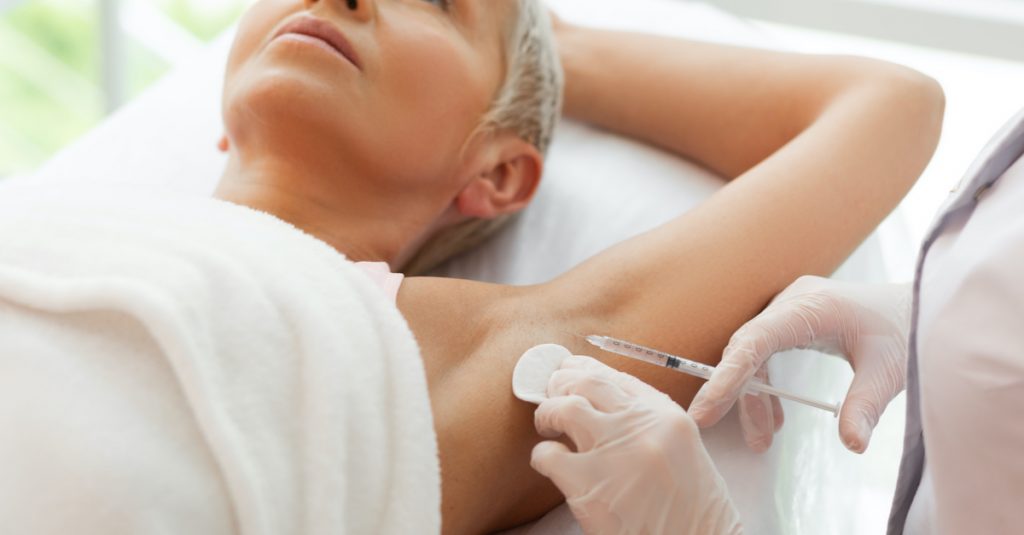
They will then inject small amounts of Botulinum Toxin with a very fine needle just under the skin in the area. Multiple injections 1 to 2 cm apart are needed to treat one area.


How long does Botox for Hyperhydrosis last?

Botulinum Toxin injections do not cure Hyperhidrosis; your symptoms will return gradually. You will need to repeat the treatment to maintain dryness. These repeat injections may be necessary at intervals varying from 7-16 months.


Which areas can Botox treat for Hyperhydrosis?

  • Underarms
  • Forehead
  • Hands
  • Feet
  • Scalp

The following Cheshire Lasers specialists have Hyperhydrosis training:

Dr Teri Johnson – Underarms and Forehead.

Moira Grobicki– Underarms, Forehead, Hands and Feet.

Dr Kyra Drinnan

Dr Kathryn Hazlehurst


Find out more about Hyperhidrosis treatments here.

https://www.botoxseveresweating.com/

https://www.healthline.com/health/botox-for-sweating


Ellansé


Ellanse Dermal filler collagen stimulator Cheshire


What is Ellansé?

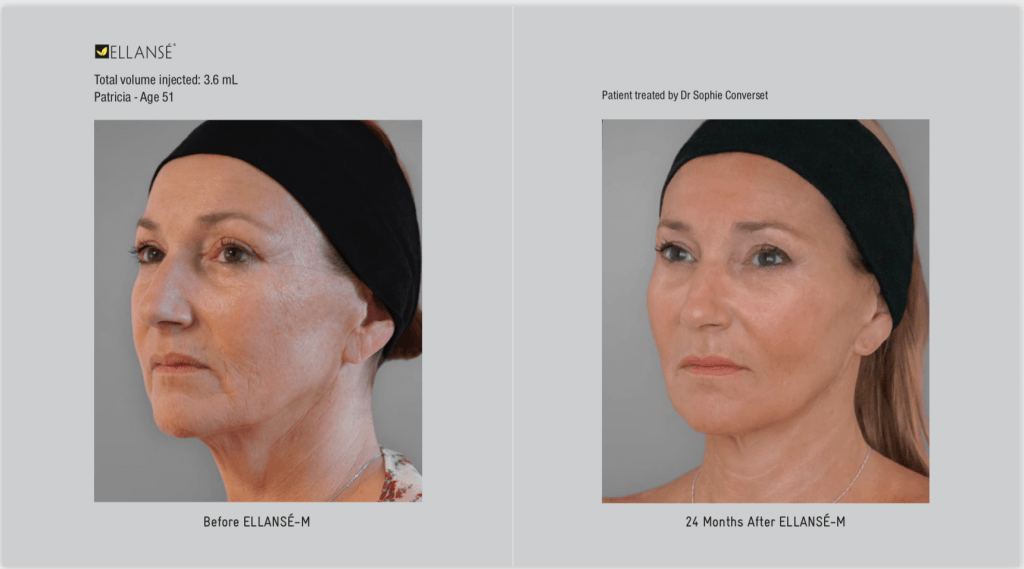
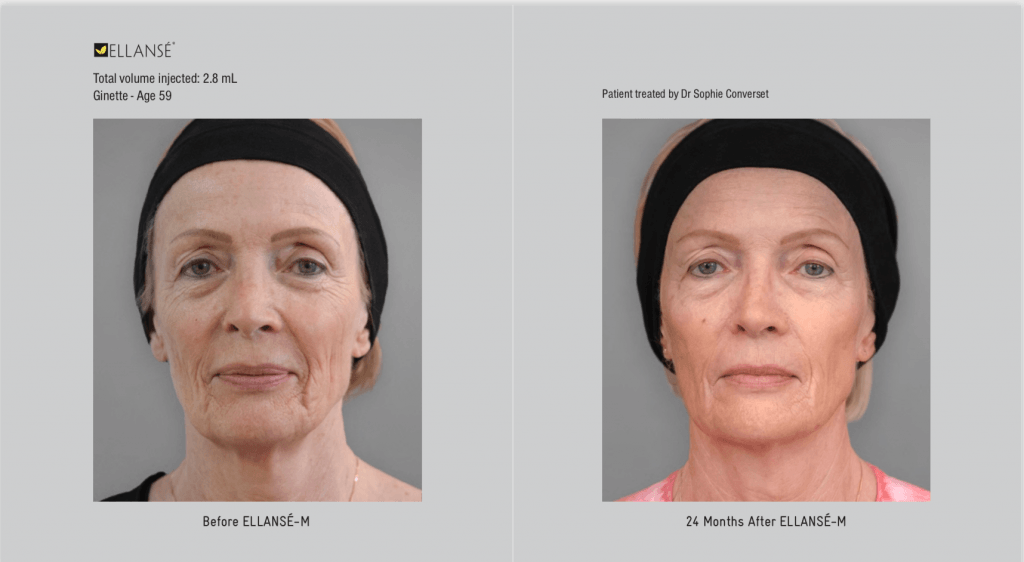
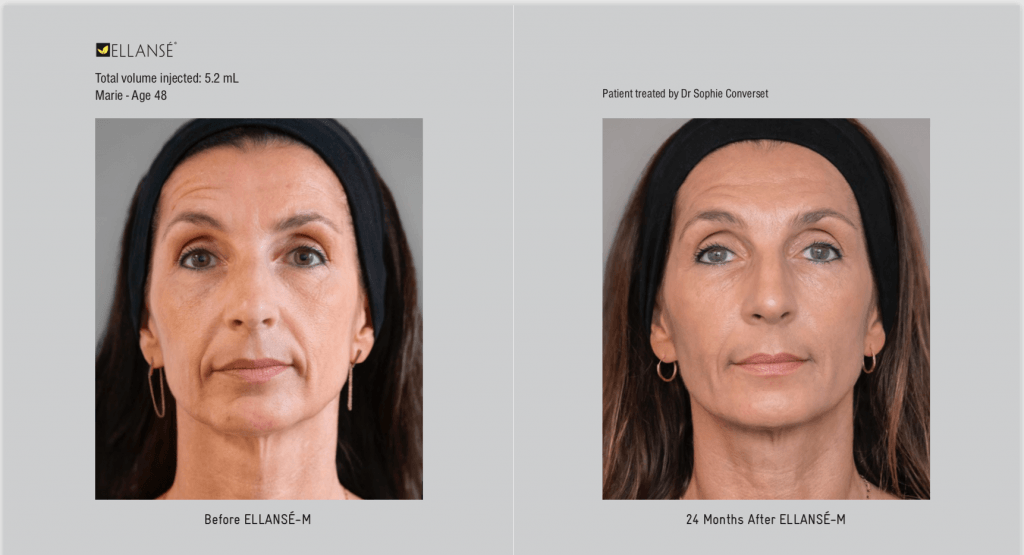
Ellansé is a Dermal Filler and a Collagen Stimulator. It is a unique, innovative, safe product for facial aesthetic treatments.

The Ellansé Range combines the benefits of both immediate correction of wrinkles and folds, as well as stimulating the production of the body’s own collagen, for natural, fresh and longer-lasting results.

Collagen is one of the important support structures in our skin. Collagen helps to maintain tightness, elasticity and suppleness in our skin. Over the course of time, our skin gradually loses its natural collagen, leading to facial laxity and the formation of wrinkles and folds. Ellansé uses the body’s natural response to stimulate the body’s own collagen (neocollagenesis) – restoring a fresh, more youthful appearance.

The Ellansé range of products addresses your needs for beautiful, fresh, longer-lasting and cost-effective results. Its four distinctive versions allow you to choose how long you would like the results to last, eliminating the need for frequent repeat treatments.


The ELLANSÉ Range is available in three versions:

  • ELLANSÉ-S (1 year)
  • ELLANSÉ-M (2 years)

Is Ellansé Safe?

ELLANSÉ is a Medical Device Class III8. It is CE approved (approved health and safety profile for use across the EU) since 2009. Ellansé has been used in the UK since 2010 and is distributed worldwide. It has high clinical safety data.


Reported Side Effects with Ellansé

Common, expected side effects are the same as other dermal fillers, including swelling, redness, and bruising. These side effects generally last maximum 1-2 days and are mild in nature.


What is Ellansé made from:

Ellansé contains PolyCaproLactone (PCL) microspheres suspended in a carrier gel. The carrier gel consists of Carboxymethyl Cellulose (CMC) made from non-animal, human or bacterial sources.

PCL

PCL is a well-known totally bioresorbable soft medical material, used in numerous European (CE-marked) and US Food and Drug Administration (FDA) approved commercial bioresorbable medical device applications like e.g. biodegradable sutures and orthopaedic implants for several decades worldwide and has demonstrated an excellent safety profile.

CMC

CMC is used in numerous European (CE-marked) and US Food and Drug Administration (FDA) approved commercial product applications in medical, cosmetic and pharmaceutical industries, e.g. dermal fillers, oral and maxillofacial surgery for several decades worldwide and has demonstrated an excellent safety profile.

Ellansé is developed, manufactured and marketed by AQTIS Medical BV. AQTIS Medical BV is a privately-held company based in Utrecht, in the Netherlands.


Who performs Ellansé Treatment at Cheshire Lasers?

At Cheshire Lasers, Ellansé treatments are available with Dr Teri Johnson.


Before and after Ellanse treatment CheshireBefore and after Ellanse treatment cheshireBefore and after Ellanse treatment Cheshire


What is the aftercare after an Ellansé treatment?

Before your treatment, avoid using aspirin to reduce the risk of bruising.

To see the final result, it is important to wait until any of the injection-related symptoms have resolved.

You should contact us if you experience any side effects or have questions after treatment.

Avoid applying makeup to the treated area for 24 hours after treatment.

Avoid vigorous exercise, hot baths, and sun and heat exposure for three days after treatment.


How long does an Ellansé treatment take?

A typical Ellansé treatment takes approximately 30 minutes to an hour.  The treatment time depends on the number of treatment areas and the amount of product used.


How often will I need an Ellansé treatment?

Each Ellansé product has an estimated duration time, however, this can vary depending on the individual.

Results typically last around 1 year with Ellansé S or 2 years with Ellansé M.  However, for extensive restorative treatments we recommend a course of treatments.

Dr Johnson recommends initial treatment with Ellansé S and a review after 3-4 months. At this stage, collagen stimulation is present, and you can assess the results.  Depending on the results, you can then decide whether to have the S or the M for further top-up treatments to achieve the desired results.


View more information about Ellansé and Case studies here.


Find out more about Ellansé on the official website here. 


View Dr Teri Johnson’s prices for Ellanse at Cheshire Lasers here.


Womens Health Reflexology


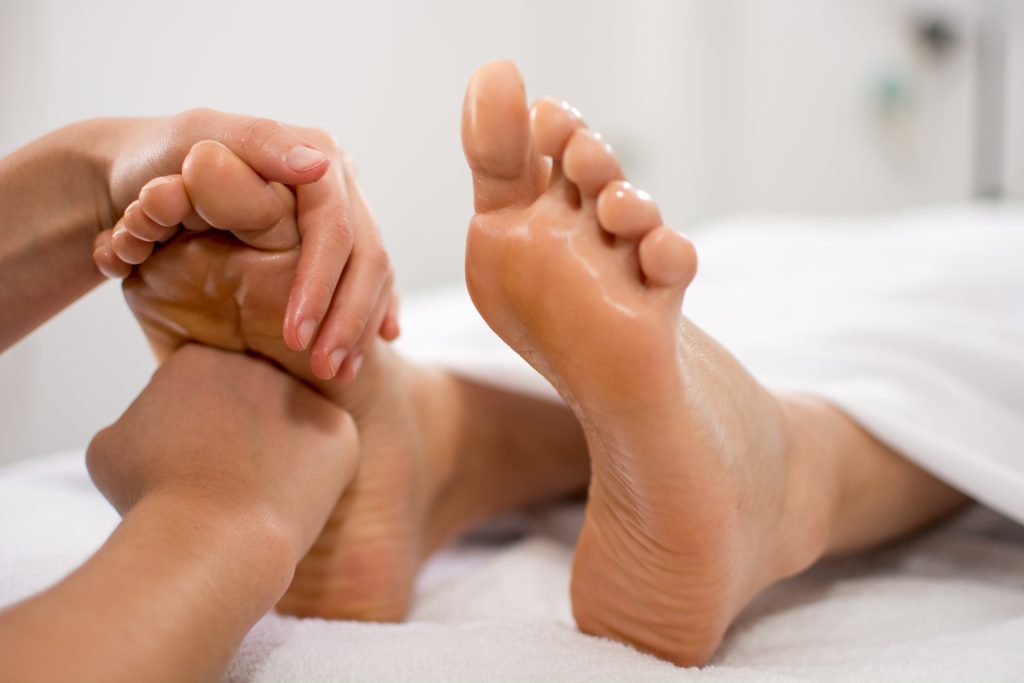
Reflexology treatments Middlewich Cheshire


Reflexologist Sharron is keenly interested in working with women’s health and reflexology.


Here is a list of the Women’s Health Reflexology services she provides:


1. Pre-conception care

Enhancing general health in preparation for conception. Reflexology may help couples with fertility problems by supporting general well-being, relaxation, and hormone balance. It can also help regulate periods, promote ovulation, reduce PMS, and increase sperm quality and quantity. Fertility problems can be very stressful, and a course of reflexology can help balance the body and mind for improved well-being.

Ideally, three months is the best time for couples to start preparing with regular treatments. Reflexology encourages the elimination of toxins, aids relaxation, reduces stress and anxiety, and aids improved sleep, all factors that may affect the body’s natural cycle and balance. A course of treatment is recommended.

Find out more about our services to help fertility here.


2. Supporting the Maternity Journey through Pregnancy and Labour

During pregnancy, holistic therapies can help relieve pregnancy-related discomforts and support sleep and relaxation. Many women also find reflexology provides relaxation and emotional support as they approach childbirth.

Find out more about maternity reflexology here.


3. Menopause Transition

Sharron has taken additional Reflexology training to help reduce the symptoms people experience during menopause, an issue many women suffer from. Reflexology can help reduce hormonal fluctuations that contribute to mood swings, fatigue and many other menopause symptoms.

Find out more about Reflexology for Menopause Transition here


Want to know more about Women’s Health Reflexology services?

Please contact Sharron directly.


Tags: