Restylane


restylane Cheshire dermal filler


Restylane Dermal Filler was launched in the UK in 1996. The manufacturer, Q-Med is now part of Galderma.

In 2013 Galderma estimated that over 15 million treatments had been carried out worldwide.

Restylane is a gel containing particles of cross linked hyaluronic acid similar to the body’s own natural collagen. It is non animal in origin and does not require a patch test.

The hyaluronic acid is broken down over months leaving no trace of the product.

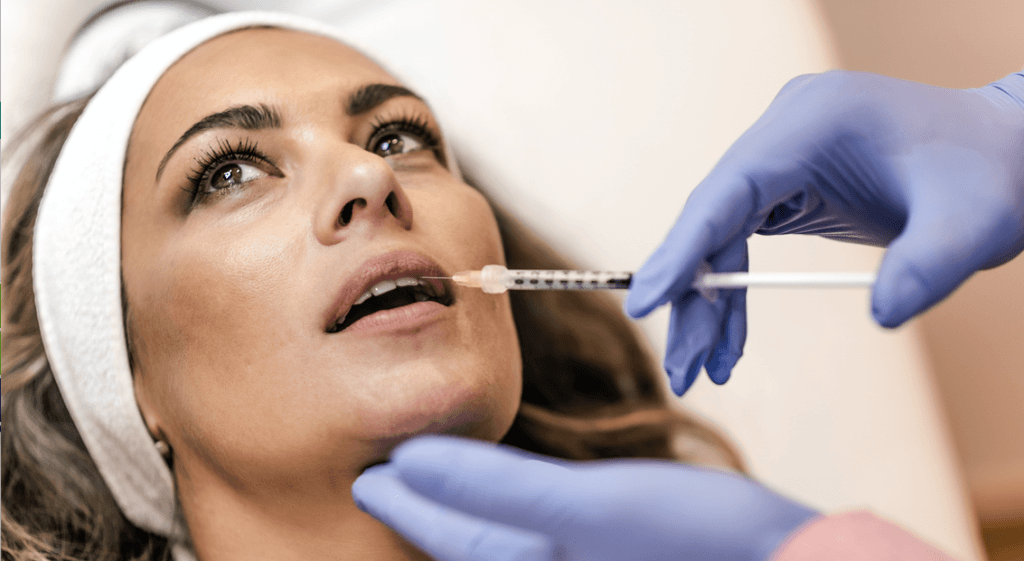
The gel is injected into the skin with a very fine needle, it plumps out the skin, filling lines, and deeper folds.

In 2016, the EMERVEL range of hyaluronic acid-based fillers, also from Galderma, was integrated into their Restylane range to create one large range of hyaluronic acid fillers incorporating NASHA Technology and Optimal Balance Technology into one product brand.


Restylane is a safe treatment and the full range contains 0.3% lidocaine for improved patient comfort.


View the products in the Restylane range used by Dr Teri Johnson:


Restylane Classic

Restylane

Restylane has an intermediate sized gel-particle and is specifically designed for the correction of moderate facial wrinkles e.g. forehead wrinkles, glabella lines, mild nose to lip furrows and lip enhancement. It contains lidocaine to reduce the discomfort from the procedure.


Restylane Lyft (Perlane)

"</p

Restylane Perlane has the largest gel particles in the Restylane product range. It is intended for shaping the face’s contours, correcting deeper folds and lip enhancement. e.g. Naso-labial folds, marionette folds, cheek enhancement, chin and jaw augmentation.


Restylane Refyne (formerly Emervel Classic)

Restylane Refyne (Emervel Classic)

Restylane Refyne provides a medium lifting effect, ideal for fine to moderate lines and wrinkles. It also works well for lip rejuvenation and restoration.


Restylane Volyme (formerly Emervel Volume)

Restylane Volyme (Emervel Volume)

Restylane Volyme has a very high volume lifting effect and integrates with the skin matrix. Used to address lost facial volume associated with ageing. It is a great products for enhancing or contouring facial features such as the cheekbones, cheeks and chin.


Restylane Defyne (formerly Emervel Deep)

Restylane Defyne (Emervel Deep)

Restylane Refyne has a high volume lifting effect and integrates with the skin matrix. Used to smooth away deep wrinkles or folds such as naso-labial and marionette lines (mouth-to-chin lines).


Restylane Kysse (formerly Emervel Lips)

Restylane Kysse (Emervel Lips)

Restylane Kysse – specifically formulated to enhance, define or augment the lip body and border. As with all of the Restylane range it contains lidocaine for improved comfort during the procedure.


Restylane Skin Boosters

Restylane Skin Boosters have the smallest particle size in the Restylane product range. It is intended for hydrating and boosting the skin.

Find out more about skin boosters here.


Prices for Restylane Dermal Filler Treatments with our Aesthetic Associates at Cheshire Lasers here


Prices for Restylane Dermal Filler Treatments with Dr Teri Johnson at Cheshire Lasers here


View Dr Johnsons Frequently asked questions and answers for Dermal Filler Treatments 


Seborrhoeic Keratosis / Wart Removal


What are Seborrhoeic Keratosis / Warts?

Seborrhoeic Keratosis are harmless overgrowths of epidermal keratinocytes, that you can find anywhere on the skin, and the cause is unknown.

They have several different names, including seborrhoeic warts and basal cell papillomas.

Seborrhoeic keratosis have a rough surface and appear to be stuck on the skin. They can vary in colour from your normal skin colour to almost black most often occur on the stomach, chest and back and usually start to appear after the age of 40.

They are not true warts and are not contagious. However, they run in families, possibly due to genetics or skin type. They usually do not cause trouble, but occasionally, they can become inflamed, especially if knocked or caught in something like a zip.


Do Seborrhoeic Keratosis require treatment?

Seborrhoeic warts are usually harmless and, therefore, do not usually require treatment. However, some people arrange for their removal for cosmetic reasons. This is best done by scraping the wart away or by freezing it with liquid nitrogen.


How do you remove Seborrhoeic Keratosis?

At Cheshire Lasers Clinic Facial Surgeon Mr Will Allen and  Aesthetic Nurse Moira remove most Seborrhoeic Keratosis / Warts with a combination of cryotherapy and or electrocautery


Prices for Seborrhoeic Keratosis removal

View Moira’s Prices for Seborrhoeic Keratosis / Wart Removal at Cheshire Lasers here.

View Facial Surgeon Mr Will Allen’s Prices here.


Before and after photos of seborrhoeic wart treatment provided by Moira:

Seborrhoeic Keratosis /Wart Removal Cheshire

seborrhoeic wart removal Cheshire


To book Seborrhoeic Keratosis / Wart Removal at Cheshire Lasers phone 01606 841255 or book appointments online here:

Book an appointment with Cheshire Lasers


Large Pores


large pores treatment

Why have I got large pores?

The size of your pores is determined by your skin type. Large pores are more common if you have oily or thick skin. Pores become larger and more noticeable if they become congested with sebum the oil we produce to protect the skin. A combination of old dead skin cells and sebum can block the pores and then oxidise into a black plug known as a blackhead.

As we age pores get larger!  This is due to the loss of collagen that occurs with the ageing process, which provides support to the skin and its structures. The more support is lost, the more pores dilate and appear bigger.


Which Treatments Remove Large Pores?

Unfortunatley there is no treatment available which will remove large pores for good.

You can only improve / reduce them and you will need to continue with treatments to maintain the results.


How Can I Improve My Large Pores?

Good Home Skin Care Treatments

Good skincare can make a big difference there is a lot that you can do.

Products that reduce oiliness, unclog pores, stimulate cell renewal and stimulate collagen can all help reduce the size of pores. Also, you must avoid products that clog pores and make them bigger.

Here are our top tips for reducing large pores at home:

Do:

  • Use an exfoliating cleanser for at least a minute twice a day, ideally one containing salicylic acid, which is great for unclogging pores, glycolic and lactic acid are also good.    We love ZO Exfoliating Cleanser
  • Use a scrub daily, if your skin can tolerate it to exfoliate dead skin cells and stop them from clogging pores. We love ZO Skin Health Exfoliating Polish and ZO Skin Health Dual Action Scrub
  • Apply a daily toning solution containing salicylic, glycolic and or lactic acid, which speeds up cell renewal and unclogs pores. Our favourites are ZO Skin Health Complexion Renewal Pads and Medik8 Press & Clear
  • Use a Pore Refiner use products that target pores specificaly. Use daily on the areas more prone to large pores.  We love ZO Instant Pore Refiner apply to pore prone skin daily to help shrink the appearance of pores and prevents congestion.
  • Apply a hydrator with a gentle retinol or retinoid to reduce oil production and speed up cell turnover . We love ZO Daily Power Defence it suits all skin types of all ages and won’t irritate sensitive skin or clog oily skin.  
  • Use a Sulfur, Charcoal or Clay mask once or twice a week to draw out the oils and impurities from your skin. Our favourites are  ZO Skin Health Sulfur Masque and Medik8 Clay Mask

Do not:

  • Overuse moisturisers, they slow down cell turnover and compact dead cells in the pores, which then enlarge.
  • Don’t try to cover up the problem with foundation or powders because again it can compact dead cells.
  • Avoid using fake tan. The tan stains the sebum and dead cells in the pores making them appear more visible.

Which Treatments Reduce Large Pores?

Microdermabrasion

Microdermabrasion is a facial treatment that blasts your skin with tiny crystals sanding off and removing dead skin cells. This treatment removes just the top surface of the skin and unclogs pores and blackheads. It also helps reduce fine lines and stimulates collagen which gives the pores more support.

Microneedling

Microneedling is another way to reduce pore size. This treatment uses a needling device to create thousands of tiny holes in your skin.  The healing process stimulates the release of growth factors and stimulates the production of collagen and elastin, giving firmer skin, which supports the pores so they appear smaller.  This treatment also helps resurface and smooth the skin’s surface, which also helps reduce pores.

Skin peels

A skin peel can smooth the surface of the skin making pores appear less noticeable. Cheshire Lasers offers a wide variety of skin peels. Choose from a milder peel which gives little or no downtime but are less effective and the results are short-lasting. Or a more aggressive peel which gives more peeling and more downtime and the results can last a few months.  Many people opt for a course of mild peels and step up in strength until they achieve good results and then have a maintenance treatment every month or two.

Our favourite peels for reducing large pores are:

Hydrafacial

The Hydrafacial is famous for its properties for unblocking pores. The treatment jet washes the skin with products which exfoliates the skin and removes dead skin cells. It then applies a product containing glycolic and salicylic acid to soften blockages in the pores, and then a vacuum removes the softened gunk. Finally, the Hydafacial applies a combination of vitamins, peptides, and moisturising hyaluronic acid to hydrate and plump the skin and reduce wrinkles if you have any!

Radiofrequency

Radiofrequency (also known as RF),  involves heating up the skin layers to stimulate collagen production. A course of 6 to 8 treatments can tighten and brighten the skin providing support for the pores, which can reduce their appearance.

Botox

Botox is known for its use to freeze facial muscles and reduce sweating. However, it is now also being used to reduce the production of oil in the skin. Injections of tiny doses of Botox are placed into the surface of the skin, and this causes a temporary reduction in sebum production which can reduce pore size in some people.


Acne / Blackheads / Breakouts


At Cheshire Lasers, we offer a range of acne treatments and products to create a programme tailored to your individual needs.


What is Acne?

Acne is a common disorder of the skin’s sebaceous glands that results in clogged pores, whiteheads, blackheads, spots, inflammation of the skin and sometimes scarring.

Acne occurs when the sebum is not able to pass through the hair follicle; this happens because the cells of the follicle walls are shed too fast and clump together, blocking the opening of the hair follicle so the sebum cannot get through; bacteria then start to build up and grow in the area, creating an acne lesion. It is most commonly found on the face, chest, and back. It can have a real impact on your confidence and the way you feel about yourself.


Acne Treatments available at Cheshire Lasers:

Acne treatments Cheshire


Skin Care Products

There are several options for treating acne; it is important to use good skincare products before starting any clinic treatment. For some clients, products can reduce acne with no need for treatment.

Products available to purchase at the clinic for treating acne are:

The ZO Skin Health Products are our favourite Acne skincare treatment. If you book a consultation with one of our aestheticians, we can give you a few small samples to try.


Oral Supplements to Help Acne

At Cheshire Lasers, we have seen remarkable improvements in acne following oral supplementation. We certainly recommend you consider treating your skin from within.

Vitamin A, antioxidants and anti-inflammatory supplements are very effective. These acne treatments are highly recommended if you have acne on larger areas of the body, such as the back, chest and arms.

Cheshire Lasers recommends the following Acne Treatments / Supplements:


In Clinic Treatments

Our most popular and effective treatments are:

Other popular treatments include:


Prescription Treatments

At Cheshire Lasers, wecano prescribe topicaltreatmentss to improve acne and blemish-prone skin.

Should these be recommended at your consultation, you would need to see Dr Teri Johnson for a face to face consultation to discuss these preparations.


How do I know what treatments / Products I need?

severe acne treatments Cheshire

Before any treatment can be carried out, we recommend a full consultation. We will identify your concerns and go over the treatments you have tried in the past. We will want to know the treatments you have tried from your GP, Dermatologist and other clinics. A medical history will need to be reviewed to ensure the most appropriate treatments are recommended. To ensure your medical history and medications do not contraindicate the treatments.

We can then discuss your best treatment options and the most likely outcomes. We may even advise you to return to your GP for treatment.


Who should I see at Cheshire Laser about my acne?

For mild to moderate acne:

One of our Aestheticians can help you.
A 30-minute consultation is £25.

They will perform a skin analysis to assess your skin and can then recommend skincare, facials, hydrafacials, dermalux light, peel,s an/ or microdermabrasion.

Should you purchase any skincare or arrange any treatments the £25 consultation fee is deducted from the cost of your treatment.

You can book this here.

For Moderate to Severe acne or acne that does not respond to treatment:

If you have not done so already, we highly recommend you see your GP, who can prescribe a range of topical or oral treatments. You may even need a referral to a dermatologist for resistant cases.

If you have gone down that route and are still struggling, we recommend you book an appointment with Dr Johnson.

A 30-minute private consultation is £50.

She will discuss the treatments you have had over the counter and on prescription from your GP and Dermatologist, as well as skincare products you have tried.

She can recommend the treatment(s) / products she thinks would most likely help. If necessary, she can prescribe items from the Obagi Clenziderm system or the ZO Medical Product range. Sometimes, she may recommend you see your GP again so they can prescribe alternative treatments for you or recommend you see a Dermatologist.


Plasma Skin Lesion Removal and Skin Tightening


Electrocautery Plasma Treatments Cheshire skin tightening and skin lesion removal.


Plasma is a revolutionary technology for skin tightening using plasma to stimulate & contract the skin, causing tightening and lifting.


What is Plasma?

Plasma is one of the four fundamental states of matter, the others being solid, liquid, and gas.

Plasma is formed through the ionisation of atmospheric gases; it is an ionised gas composed of ions and electrons, which is created by separating electrons from the electron shell of gas atoms or molecule rupture (ionisation).


How does Plasma Skin tightening work?

The plasma handpiece creates ionisation when it is hovered over the skin. The plasma arc creates a small, controlled injury to the skin’s surface, triggering the body’s natural healing response and stimulating the production of collagen and elastin fibres. As the skin heals, it becomes tighter, firmer, and more youthful in appearance, reducing the appearance of wrinkles, sagging, and other signs of ageing. It works particularly well with small areas of heavily lined skin, such as the upper and lower eyes and ‘smoker’s lines’ over the mouth.


How does Plasma Skin Lesion Removal work?

When the handpiece is directed onto the skin lesion, such as a mole or skin tag, the high-energy plasma interacts with the tissue, causing it to heat up rapidly. This thermal energy effectively vaporises and breaks down the cells of the skin lesion, leading to its removal. The heat generated by the plasma can also cauterise the surrounding blood vessels, reducing bleeding during the procedure. The treated area then forms a scab, which eventually falls off, leaving behind smoother skin.


How painful is a Plasma treatment?

A local anaesthetic is used before commencement of the procedure. So the pain from the treatment should be minimal. The healing process can cause some mild discomfort but over the counter pain relief can be taken to help.


Are there any side effects from Plasma?

The side effects are immediate and may include swelling & reddening of the treated area for 2-3 days. The healing process will include crusting (which should be left to fall away naturally) over the course of about a week.

Treatments can sometimes lead to more prolonged redness and swelling while the skin recovers. This is more likely when the eyelids or areas close to the eye are treated. Some individuals can take up to 7 to 10 days to fully recover.

You can apply make up Makeup to cover the area treated after 24hrs.

The results are instant, although you can see further improvements over the next 2-4 weeks for skin tightening.


Which areas can be treated with Plasma?

Most areas of skin can be treated for skin lesion removal, such as warts and skin tags.

When it comes to treating fine lines & wrinkling, it is most commonly used on the upper & lower eye area, smoker’s lines, facial lines, belly button area, thighs, cleavage, and décolletage.


Who Performs Plasma Treatments at Cheshire Lasers

Cheshire Lasers currently does not have a specialist who offers Plasma treatment. However, we offer a range of other procedures which can deliver similar results. We use advanced electrocautery and advanced electrolysis to remove skin lesions and radiofrequency and HIFU for skin tightening.

Where Plasma is the best option for your concern, we usually recommend Plasma treatments with Dr Maeve Kenningham at her Wrexham Clinic. 


Jacqui Rostron


Jacqui Rostron is highly regarded as a Permanent Makeup Specialist within the U. K.with over ten years experience at her fingertips. Jacqui`s expertise in providing stunning brows, eyeliner and lips have become greatly sought after across the U.K. from beauty salons, spas, and skin clinics to working alongside aesthetic doctors.

Jacqui is an advanced specialist and also carries out cosmetic medical tattooing for clients with areola and nipple reconstruction, alopecia,and hair loss due to chemotherapy.

When applied by a professionally skilled technician, like Jacqui, permanent cosmetic makeup can achieve life- changing results which are confidence boosting.


Jacqui Rostron offers the following treatments :

Eyebrows
Eyeliner
Lipliner/Blushed Lips
Beauty Marks
Breast And Areola/Nipple
Tattoo following surgery


Cheshire Lasers Semi Permanent Makeup – Eyebrow contours

Photos by Jacqui Rostron


Cheshire Lasers semi permanent make up – Eyelash enhancement


Cheshire Lasers semi permanent makeup – Lip liner and lip blush, before and after the procedure:


View Jacqui’s Prices:

Eyebrow Treatments
3D Hairstroke Effect £395
Powdered Effect £395

Permanent Eyeliner and Eyelash Enhancement
Eyelash Enhancement (top only) £250
Eyelash enhancement (top and bottom) £395
Eyeliner (includes an eyelash enhancement) £450
Thick eyeliner (includes an eyelash enhancement) £495
Two tone eyeliner (includes a lash enhancement) £495
Latino eyeliner (includes a lash enhancement) £525

Permanent Lipliner and Lip Enhancement
Lipliner £350
Lipliner and blend into lip £395
Full lip colour wash £495


Retouch and Colour Boost Prices

Prices apply if you have had treatment with Jacqui in the past.

Maintenance Retouch £75
Colour Boost Within 12 Months £195
Colour Boost Within 24Months £225
Colour Boost Within 36 Months £295


To book a consultation or treatment with Jacqui please phone us on 01606 841255 or email cheshirelasers@hotmail.co.uk


Dermal Fillers


dermal fillers cheshire


What are Dermal Fillers?

Dermal fillers are injectable treatments that reduce the appearance of wrinkles, lines and deeper folds, rejuvenating the skin to give a more youthful appearance.


Are Dermal Fillers Permanent or Temporary?

Dermal fillers are classified into two types: non-permanent (resorbable) or permanent (non-resorbable).

Non-permanent fillers last 6-18 months, depending on the product used.

Dr Teri Johnson and her associates only use resorbable fillers because permanent fillers have a much higher risk of permanent side effects.


What do Dermal Fillers contain?

In the 1980s, collagen was the first dermal filler approved in the USA.

However, the leading dermal fillers in the UK mostly contain hyaluronic acid. Hyaluronic acid is a natural component of our own skin which can be synthesised artificially to create a dermal filler. Hyaluronic acid-based fillers have the advantage that they can last 4 to 18 months, depending on the product. They can be broken down by the enzyme hyaluronidase if needed, so the filler can be removed more rapidly if necessary.

Other non-permanent dermal fillers contain ingredients such as Poly-L-lactic acid and calcium hydroxyapatite which stimulate collagen while in the skin.


Which Dermal Filler should I have?

Dr Teri Johnson and her associates at Cheshire Lasers collectively have had many years of experience performing thousands of treatments with various dermal filler brands. This experience has helped them determine which fillers work best in different areas for different skin types and indications to give the effect they want to achieve. Some dermal fillers suit some skin types more than others. There is no perfect filler; different ones last longer in some people than others. Different skin types respond better to different products.

At your consultation,  your medical practitioner will assess your skin type, thickness, hydration, texture, and the problems you hope to address. They can then recommend the most appropriate treatment for you and will show you some before and after images of her previous treatments that she has performed with that product to enable you to decide if the treatment is for you.


Which Dermal Fillers do Cheshire Lasers use?

Dr Teri and her associates use only quality-assured premium Dermal Fillers at Cheshire Lasers. Well-known established Dermal Filler brands such as Restylane, Juvederm Ultra, Juvederm Vycross, Radiesse, Ellansé, Teosyal, and Belotero.  Each specialist has a different experience in different products and has different preferences.

If you have had dermal fillers in the past, giving your medical practitioner as much information as possible about the treatment is helpful. It will benefit you and them to know which products have been used, and where they were injected. It is also helpful to know if the treatment gave you the results you were expecting and if you had any unwanted effects.

Dermal fillers come in different thicknesses; in general, the thicker products help contour the face. Whilst thinner products are great for hydrating the tissues and are more effective in treating finer superficial lines.


What can Dermal Fillers Treat?

Popular Dermal Filler treatment areas include:

Smokers Lines
Lip Rejuvenation for ageing shrunken lips
Lip Enhancement to volumise lips
Cheek Enhancement
Temple Enhancement
Chin Enhancement
Marionette Line Reduction
Naso-labial folds (nose to mouth lines)
Hand Rejuvenation
General Volume Enhancement
The 8-point lift
Scars

Advance Technique Treatments are also available:

Nose Reshaping
Tear Trough Rejuvenation
Forehead Enhancement / Brow Lift


Which Dermal Filler Treatments do we specialise in?

Dr Johnson

Dr Teri Johnson has years of experience in all the above treatments. Her favourite fillers are Restylane, Juvederm, Ellanse and HArmonyCa.

She loves performing lip and peri-oral Rejuvenation to refresh the lips and peri-oral area and prevent further signs of ageing. Dr Teri also enjoys performing full-face enhancements to reduce signs of ageing. Find out more about Dr Teri’s specialist areas here.

Dr Drinnan

Dr Kyra Drinnan uses mostly Juvederm dermal fillers. She has advanced dermal filler training and can use them to treat a wide range of problems, including lips, marionette lines, cheeks, tear troughs, chins, jawlines, hands and full face treatments.

Aesthetic Nurse Moira Grobiki

Aesthetic Nurse Moira uses mostly Belotero Dermal Fillers. She also has advanced dermal filler training, and you can view the wide range of problems she can treat with dermal fillers here. 

Aesthetic Nurse Katey Moulton

Aesthetic Nurse Katey uses mostly Restylane Dermal Fillers in her practice. She specialises in lip treatments and enjoys enhancing younger and older lips. She also provides lip rejuvenation treatments.

Dr Kathryn Hazlehurst

Dr Kathryn Hazlehurst uses mostly Stylage in her practice. She loves sculpting cheeks to add definition and restore the triangle of youth and improving ratios to enhance the facial profile. She also enjoys full-face and lower-face rejuvenation, including correcting downturned smiles.


What does a Dermal Filler Treatment involve?

Find out what a Dermal Filler procedure involves here.


Side Effects from Dermal Filler Treatments


Cheshire Lasers Dermal Fillers Pre-Treatment Advice


Cheshire Lasers Dermal Fillers After Care and Recovery Information


Why have your treatment with a Medical Professional?


What is Hyaluronidase?

Hyaluronidase is also known as Hylase; it is a prescription treatment doctors and nurses can use to dissolve Hyaluronic acid fillers.

Find out how hylase works and how to access this treatment at Cheshire Lasers here. 


Summary of Dermal Filler types we use at Cheshire Lasers:


View Dr Teri Johnson’s Blog briefly summarising the benefits of injectable treatments here. 


How much are Dermal Fillers?

At Cheshire Lasers, Dermal Fillers prices start from £220.

The price varies depending on the filler, the location, the specialist performing your treatment and the number of syringes and sessions required.

View the Price lists for our specialist performing Dermal Fillers at Cheshire Lasers here:
CACI Face and Jowl Lift Treatments


The Classic CACI Non-Surgical Facelift

The Classic CACI Non Surgical Facelift in Middlewich Cheshire

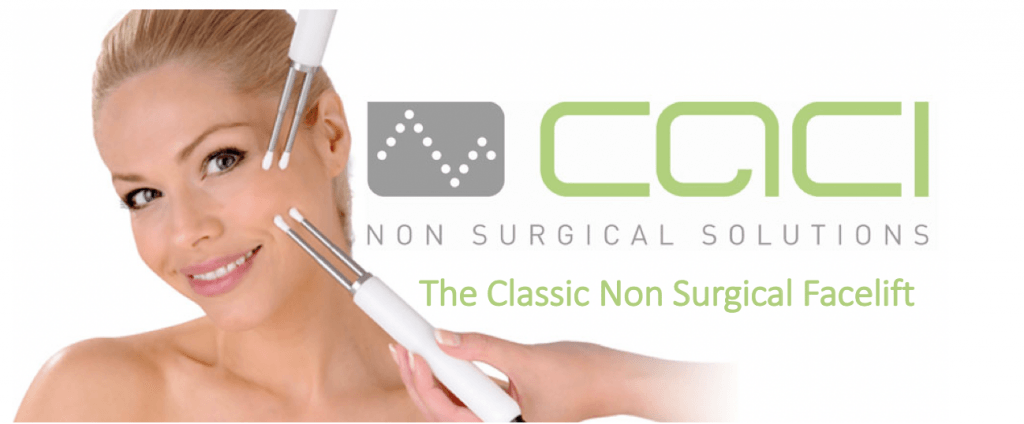
The Classic CACI Non-Surgical Facelift uses micro-current energy on the facial muscles to restore tone and elasticity. It takes 50 minutes.


The CACI Eye Revive

CACI Eye Revive treatment Cheshire middlewichThe CACI Eye Revive re-energises & uplifts the eyes leaving them bright and tight. It takes 30 – 35 minutes.
Find out more details about the CACI Eye Revive treatment here.


The CACI Jowl Lift

CACI Jowl lift at Cheshire Lasers

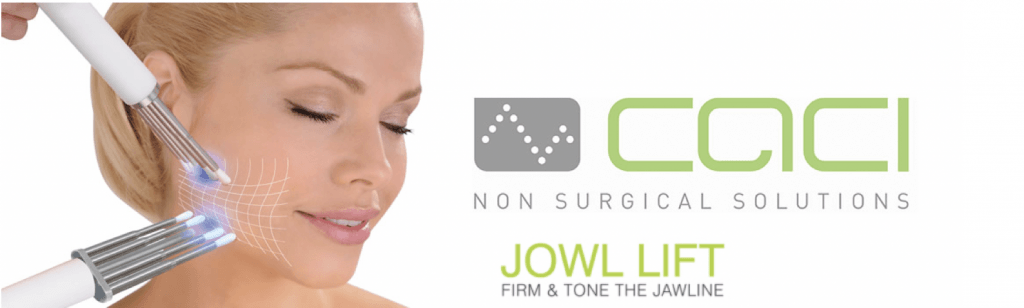
The CACI Jowl Lift has been developed to specifically to target muscle laxity around the jawline, lifting and firming the muscles and refining the jawline. It takes approximately 15 minutes.

Find out more details about the CACI Jowl Lift here.


The Super CACI Non-Surgical Facelift

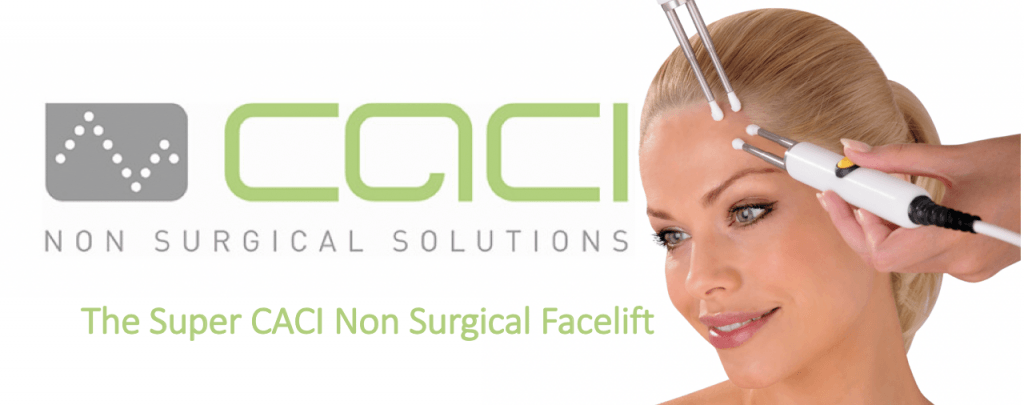
The Super CACI Non Surgical Face-lift at Cheshire Lasers middlewichThe Super CACI Non-Surgical Facelift is for those people wanting a more intensive treatment this takes 70 minutes and concentrates on areas of laxity, it is aimed at mature skin types and those with specific concerns.
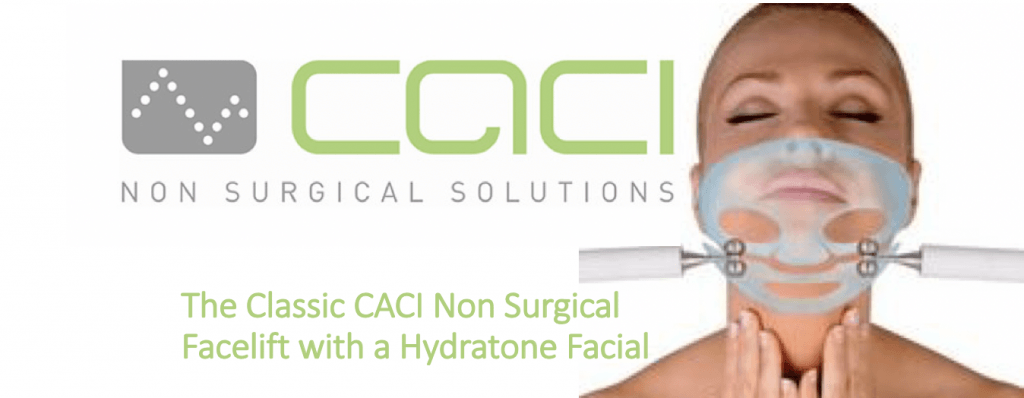

The Classic CACI Non-Surgical Facelift with a Hydratone Facial

The Classic CACI Non Surgical Facelift with a Hydratone Facial at Cheshire Lasers middlewichCombines the Classic CACI Non-Surgical Facelift with the Hydratone mask treatment. The micro-current Hydratone rollers electrically conduct collagen, hyaluronic acid and other hydrating actives to provide intensive skin hydration, skin cooling and a plumping effect. This takes 1 hour.
CACI Hand Rejuvenation

CACI Hand treatment

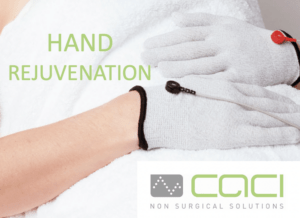
The CACI Hand Rejuvenation Treatment treats the hands with a unique combination of their new Rejuvenating Hand Mask and Electro Glove technology.

Takes 30mins but can be performed as an add-on at the same time as some of our CACI Facial Treatments.


Find out more about CACI Treatments and how they work here.


View CACI before and after images from the supplier here.


View our CACI Treatment prices here.


Skin Rejuvenation – What Works?


skin rejuvenation Cheshire


At Cheshire Lasers, we provide many treatments for Skin Rejuvenation.

You can achieve brighter, younger skin using chemical or physical agents to increase the skin’s cell turnover, stimulate collagen production, reduce lines and wrinkles and even skin tone.

Cheshire Lasers Clinic provides a variety of rejuvenation treatments to suit different skin types and skin concerns; for optimum results, you may need a combination of treatments.

There are so many for you to choose from:

Radiofrequency Skin Tightening

Radiofrequency technology stimulates collagen, reducing fine lines and wrinkles and reducing the saggy appearance of skin. It, therefore, tightens plumps and brightens skin.
Cheshire Lasers has two Radiofrequency devices, Thermaclinic, which is excellent for treating eyes, upper lips and full faces. Endymed works deeper and is the best for treating the cheeks and neck area.

Radiofrequency Microneedling

Radiofrequency (RF) Microneedling uses the most advanced technology to improve skin texture and tone and promote collagen growth to deliver plump, healthy, firmer-looking skin. It is excellent for improving ageing skin and scars but also has an impressive lifting-tightening effect. It works well all over the face, including the fine lines around the mouth and eyes.

CACI Microcurrent

CACI microcurrent treatments are “the original non-surgical facelift”. They involve the use of applying tiny microcurrents to re-educates your muscles. The treatments lift sagging muscles; tone and tighten; improve the colour and texture of the skin; stimulate collagen production, and help delay the ageing process.

Microneedling

Microneedling is an excellent treatment for skin tightening, reducing lines and wrinkles, reducing pore size, reducing scars and general skin rejuvenation.
At Cheshire Lasers, our specialists use two electronic needle devices for skin rejuvenation. They deliver less painful treatments with less downtime than the usual Dermaroller treatments.

Microdermabrasion

This medical-grade treatment removes the entire stratum corneum and helps reduce the superficial signs of ageing. In addition, repeated microdermabrasion treatments at regular intervals may influence how the lower layers of skin grow and remove deeper blemishes over time.

Dermaplaning

Dermaplaning is a manual exfoliation treatment that brightens the skin to give an instant glow. A  sterile scalpel is used to gently and safely remove dead skin cells from the top layer of your skin (epidermis). It leaves the skin more receptive to serums and moisturisers. It also increases cell renewal and collagen and elastin production, delivering a more youthful and rejuvenated complexion.
This treatment removes the vellus hair (peach fuzz) on the skin’s surface. The result is silky smooth skin so that you can apply makeup flawlessly.

Laser Skin Rejuvenation

Using the Intense Pulsed Light system, we can reduce signs of ageing caused by sun damage. For example, we can reduce or even remove blemishes such as brown spots (pigmentation) and redness (thread veins).

Ultraformer MF2 Wrinkle treatment

Sensitive areas around the eye, mouth and forehead can be easily treated with ultrasound technology. In addition; the newly developed MF2 Ultraformer Treatment stimulates collagen to reduce fine lines and wrinkles in these areas.

Chemical Peels

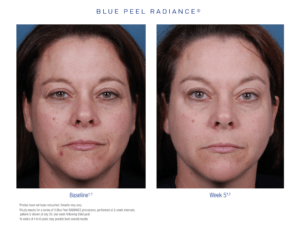
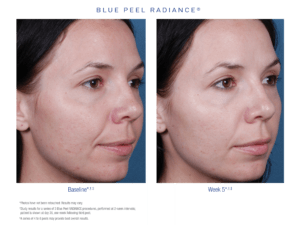
Our aesthetic technicians can perform a variety of peels, including BioRepeel,  ZO Peels and Obagi Blue Radiance Peels. Aesthetic nurse Moira performs the Perfect Peel for people who want to peel much deeper. Dr Kyra Drinnan performs the pHformula TCA Touch peel.

Dermalux LED Therapy

At Cheshire Lasers, we have the Dermalux LED skin rejuvenation treatment in red, infrared and blue. This allows us to treat you with 2 or 3 lights simultaneously. The red and infrared lights are great for anti-ageing and skin rejuvenation. TBluelight is excellent for reducing oily skin and bacteria in acne sufferers.

Profhilo

Profhilo is an injectable treatment which stimulates collagen and elastin in the top layers of the skin. After a course of treatments, the skin becomes plumper and more hydrated, and it can even bring about some lifting and firming of the skin.

The Hydrafacial

The “HydraFacial” combines cleansing, exfoliation, extraction, hydration and antioxidant protection simultaneously. This hydrafacial delivers clearer, more beautiful skin with no discomfort or downtime. The treatment is soothing, moisturising, non-invasive and non-irritating.

Injectable Collagen Stimulators

Using Injectable Collagen Stimulators like Sculptra, Ellanse and Harmonica.  Your skin can appear more firmer, tighter and hydrated, and they can also add volume for a lifting effect.

Injectable Skin Boosters

Using injectable skin-boosting ingredients such as Profhilo, Polynucleotides like Nucleophil, PRP and Restylane Vital. Your skin can appear more hydrated, plump and fresh after a course of treatments.

ZO Skin Health

Our amazing ZO Skin Health Products can rejuvenate the skin from the outside in.


Botox Treatment for Migraine


Botox for chronic migraine

BOTOX® is licensed for the treatment of chronic migraine. You are considered to have chronic migraine if you have experienced 15 headaches per month over a three month period, of which at least eight days have migraine features, including; nausea, light or noise sensitivity, pulsating or lateralised pain and lasting hours or more in duration.

How does Botox work for migraines?

It is thought that Botulinum Toxin (Botox) gets into the small nerves that carry pain from the head to the brain, known as C-fibres. This reduces the amount of chemicals released from the nerve ending and therefore interrupts the feedback pathway that perpetuates migraine and headache.

How is Botox given for migraine?

BOTOX ® is given as a series of 31 to 39 tiny injections under the skin or into the muscles in and around the head, the forehead, above the ears, and into the neck and shoulders. The injections are repeated every 12 weeks until the patient no longer has chronic migraine, or until it is clear that treatment is not working.

How effective is Botox for migraine?

The goal is not to become completely free of headache or migraine, but to improve quality of life and to convert migraine from chronic to episodic. Studies show that 47% of patients had a 50% or greater reduction in the number of days with headache.

Response is usually seen after the first or second set of injections. One in four people respond well to the first or second set of injections, and half need more than two sets of injections to get a good response.

The biological effect of Botox on nerves takes several days or a few weeks to work. You should not expect chronic migraine to improve properly in less than 4 weeks. Some patients do not start to improve until after their second set of injections which is given 12 weeks after the first set of injections.
Around 1 in 4 patients do not respond to the injections at all and only 1 in 10 people respond to a third set of injections if the first two sets of injections fail.

Who can’t have Botox for migraine?

  • Botox is only for chronic migraine, not any other sort of migraine.
  • People who are pregnant or breastfeeding are unable to have Botox.
  • If you have neurological disease, for example Bell’s palsy, a neuropathy, or Myasthenia Gravis, the risks of Botox are increased.
  • If you have recently (within the last 3 months) had cosmetic Botox then the side effects could be increased.

Tell your Practitioner if you:

  • You react to injections (eg. fainting) in the past.
  • Experienced problems with previous Botox injections.
  • Have inflammation, weakness or wasting of the muscles/skin where your doctor plans to inject.
  • Have had problems with swallowing or if food/liquid has accidentally gone into your lungs, especially if you will be treated for persistent muscle spasms in the neck and shoulders.
  • Suffer from any other muscle problems or chronic diseases affecting your muscles.
  • Suffer from certain diseases affecting your nervous system.
  • Have closed-angle glaucoma or are at risk of developing this type of glaucoma.
  • Have had any surgery that may have changed the muscle that is being injected.
  • Are due to have an operation soon.
  • Are taking any blood thinning medicine.

What are the side effects from using Botox for migraine?

  • The injections are slightly prickly or stingy and take about five minutes to complete.
  • It is possible, though rare, to have an acute allergic response so you should stay in the clinic for several minutes after the first set of injections.

Less than 1 in 10 patients experience each of the following side effects:

  • Worsening migraine. This can begin within a day or two of the injections, usually lasts a small number of days. You can treat with your usual pain killers.
  • Rash, itching
  • As with all injections; pain, bruising, bleeding or infection at the injection site are a possibility.
  • Drooping of eyebrows or eye lids. This begins after a couple or a few weeks and can last for a small number of weeks.
  • Muscle weakness, pain, cramp, stiffness or tightness.
  • Weakness and pain in the neck. This begins after a couple or a few weeks and can last for a small number of weeks. It can be treated with regular anti-inflammatory tablets.

Less than 1 in 100 may experience:

  • Difficulty in swallowing
  • Skin pain
  • Jaw pain
  • Swollen eyelid

Can migraine be treated with regular Aesthetic Botox?

It is now recognised that patients can achieve migraine and headache improvement from treating the frown and the forehead using Aesthetic Botox. This involves fewer injections and fewer units of Botox and is therefore a lower price; however, depending on the migraine, it may not be effective, and it is not a licensed treatment for migraine.

How can you get Botox treatment for chronic migraine?

A full Allergan Botox treatment, as licensed and recommended by NICE, involves injecting 155 units over 31 sites. This treatment is most often performed by neurologists in NHS or private hospitals. Some Aesthetic Doctors and Nurses also perform this treatment in CQC-registered clinics.

Cheshire Lasers does not currently provide this service.