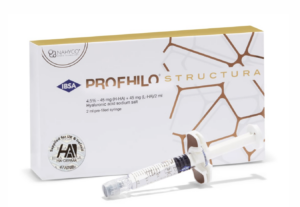
Profhilo Structura is an exciting new treatment that regenerates the superficial fatty tissue under the skin. In the same way that Profhilo restores skin cells, Structura restores the tissues in the adipose layer of the skin to give a lifting, contouring effect. It is the first and only treatment available in 2024 with evidence that it can stimulate the cells in this layer.
How does Profhilo Structura differ from Profhilo?
Structura contains more Hyaluronic Acid (90mg/2ml ) than Profhilo (64mg/2ml), which means it behaves differently in the tissues.
Standard Profhilo spreads easily through the skin, stimulating collagen and elastin.
Structura spreads in the fatty tissue, activating ageing adipose fat cell receptors and encouraging them to mimic the behaviour of their youth. This improves fat cell quality and a lifting effect. Structura is clinically proven to restore superficial fat to its original position, effectively reducing facial hollows and skin laxity, resulting in a more lifted, contoured, and rejuvenated facial profile.
Like the original Profhilo, Structura is not a filler. The results people achieve are due to tissue regeneration.
Both treatments offer unique rejuvenation and anti-ageing benefits tailored to different concerns and treatment areas.
What does the treatment involve?
The treatment is quick and easy to perform with minimal discomfort. A cannula inserts the product into the correct layer and position, and an immediate lifting effect can often be seen. The product then gets to work, stimulating the cells in the adipose layer. A second treatment is required 30 days later to continue the process and achieve visible results.
There is minimal downtime, so you can go about your day after treatment.
Maintenance and Follow-up
Maintenance treatments are typically every four to six months to maintain the results, depending on a person’s individual response.
Who is suitable for Treatment?
We recommend Structura treatment for patients with well-defined structures that need superficial enhancement. It is a popular choice for those seeking natural, subtle improvements without a drastic change in facial volume.
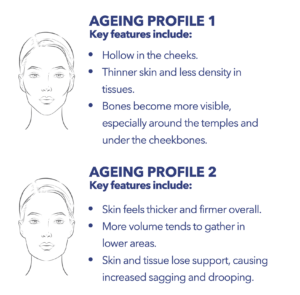
There are different treatment protocols depending on how you have aged.
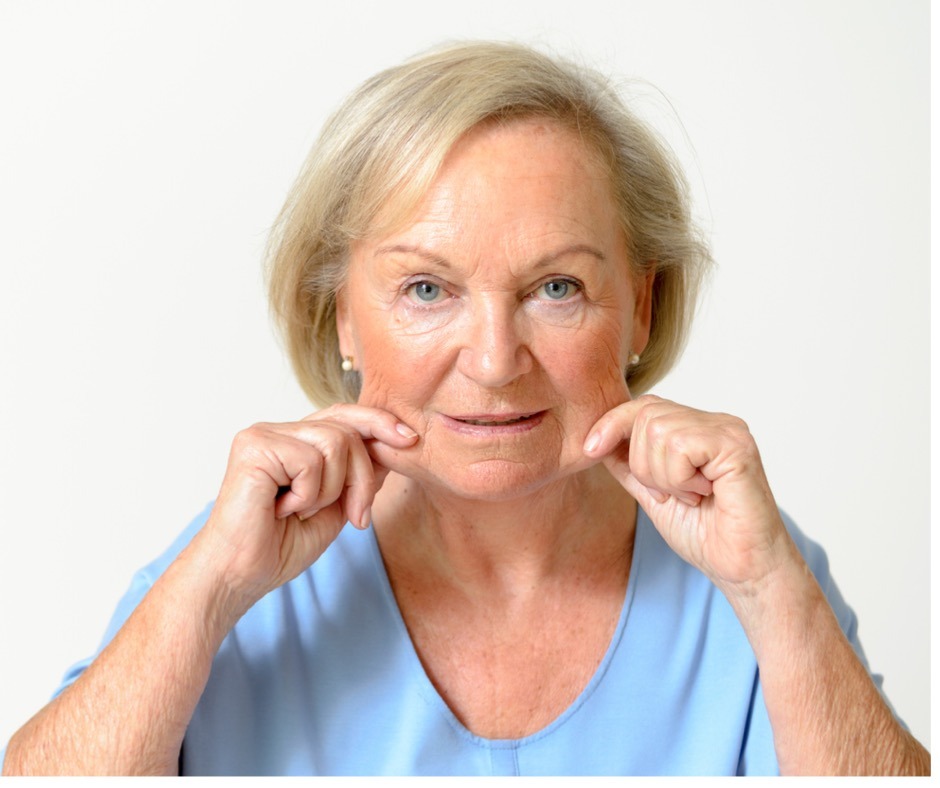
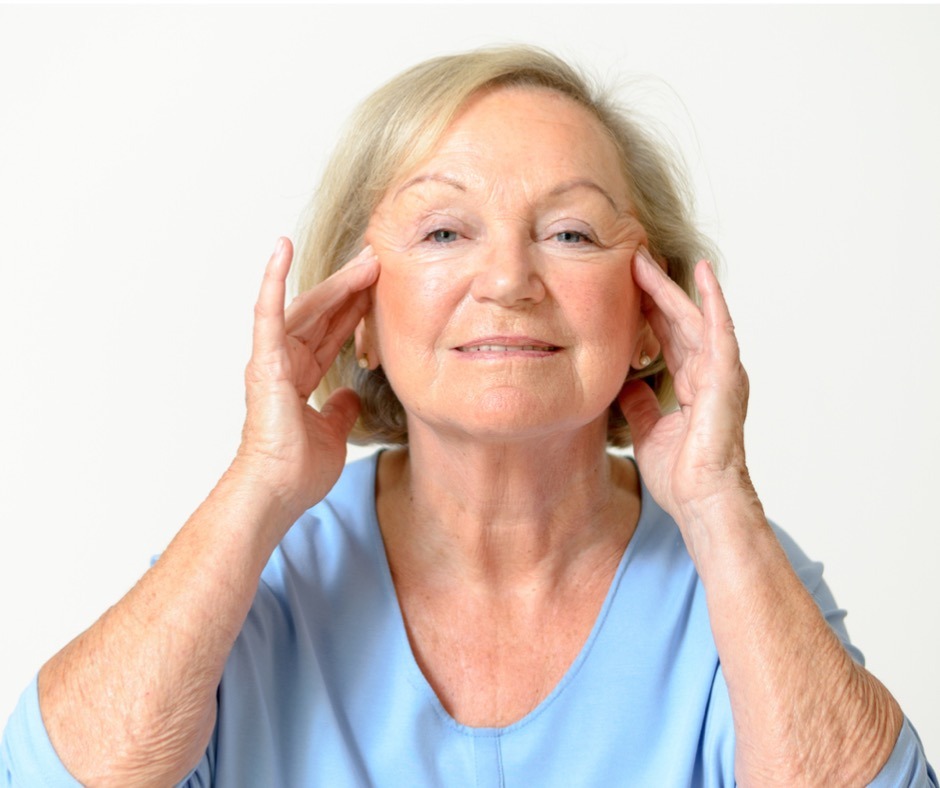
‘Saggers’ – heavier faces with skin descent due to laxity, slight jowl formation and flatting of the cheek. By injecting along their cheekbone and in front of their ear, we can achieve more reshaping in a natural, balanced manner. Profile 2.
Is Profhilo Structura Safe?
So far, studies have shown no concerning adverse events.
Patients have reported high satisfaction and have also shown an increase in skin thickness and texture.
Can I combine Structura with other treatments?
It can be used alongside other aesthetic treatments, including Botox and Fillers. Treating each layer of the face according to its needs ensures a holistic improvement for best results.
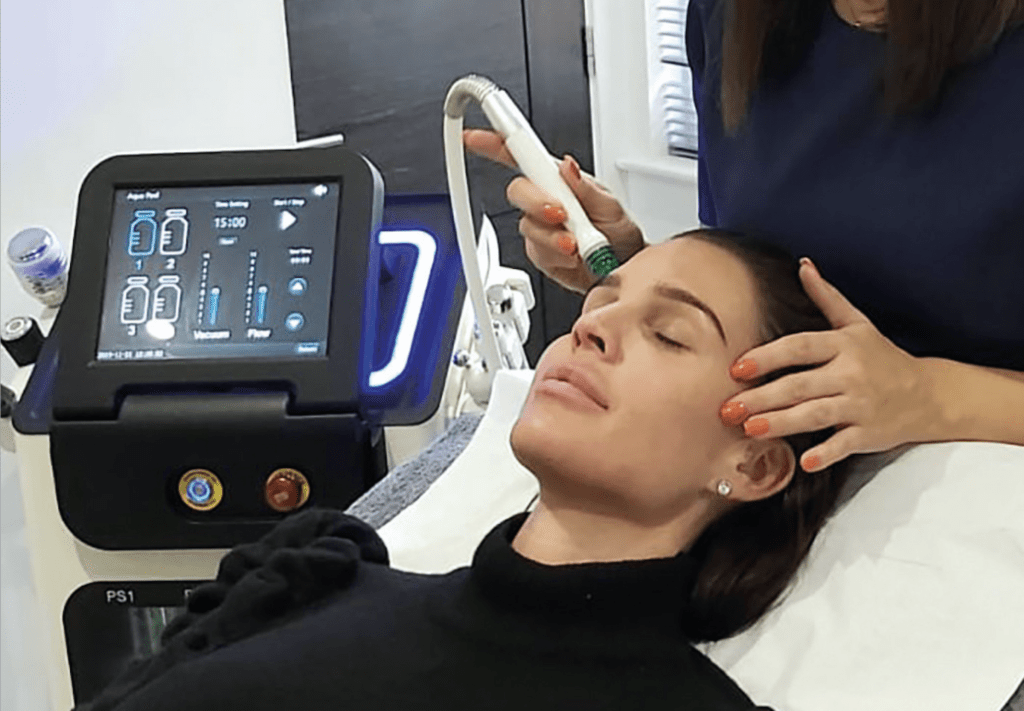
At Cheshire Lasers, we use Dermaforce to deliver RadioFrequency (RF) Microneedling. This advanced treatment combines microneedling with Radiofrequency (RF) technology to effectively treat a large number of cosmetic concerns, with excellent results.
This combination treatment has become more and more popular recently due to improvements in the way the technology is used to deliver better results. It is also more popular due to its extensive coverage on social media and in the press.
How RadioFrequency Microneedling Works
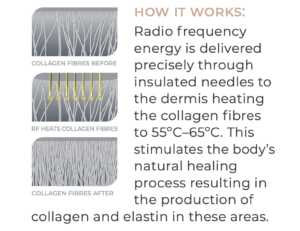
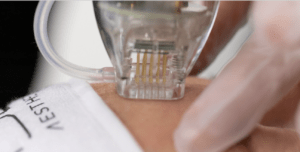
Insulated fine gold-plated needles deliver Bi-Polar Radio Frequency (RF) into the skin. The depth of the treatment varies depending on the skin concerns that need treating. The radiofrequency energy heats the tissue in the region of 55 – 65°C and, depending on the depth, will stimulate cell renewal, new collagen, increased hydration and resurfacing.
How is New Collagen Stimulated?
The energy/heat released into the skin causes immediate trauma to the existing mature, dehydrated collagen cells causing contraction and damage to this tissue. This damage stimulates a fibroblast action (fibroblasts are the connective tissue cells that produce collagen and elastin) which results in the production of new collagen and an increase in the diameter of the collagen fibres. The spaces between the fibres are also reduced.
This result causes an increased density of the dermal layer giving a skin-tightening effect.
What Can RadioFrequency Microneedling Treat?
Loose and Sagging Skin
Fine Lines and Wrinkles
Pitted Skin
Uneven skin texture
Stretch Marks
Which areas can it treat?
We usually recommend a full-face treatment rather than treating specific facial areas. However, we can focus more on specific areas if they need more improvement.
Areas that RF Microneedling work well on include:
Crows feet
Neck and décolletage
Perioral/ Mouth area
Jowls and jawline
Large pores
Scaring
RF Microneedling can also treat areas on the body, including hands, arms, knees and abdomen.
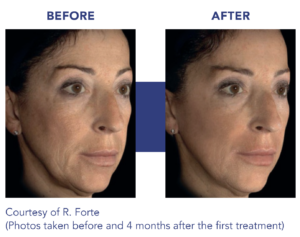
Before and after RF Microneedling
After one treatment at Cheshire Lasers.
Before and after supplied by the manufacturer
Contraindications to RF Microneedling
Pregnancy, recent pregnancy or breastfeeding
Pacemakers
Metal Implants near the treatment area ( within 2.5cm ) Exclude fillings and most dental work.
Infected or inflamed skin
Any active infection
Uncontrolled Diabetes and Epilepsy
Some Auto-Immune Conditions
Active Cancer
Keloid Scarring (historical or current)
Skin Thinning Medication, including Roaccutane Steroid Medication
Anticoagulant Medication
Selected Immunosuppressants
Hernia or Mesh near the treatment area
If you have a history of cold sores, you must discuss this at your consultation.
Intervals Between Other Treatments.
For the following cosmetic procedures, allow a two weeks window before and after treatment:
Botox
Superficial Peels
Microdermabrasion
IPL / Laser
If you have had the following procedures in the treatment area in the last 18 months, you will require a medical assessment to assess your suitability:
Dermal Fillers
Sculptra
Skin Boosters
Threads
If it is in a different area, treatment can be commenced 2-8 weeks later, depending on your assesment.
Retinol product and Prescription Vitamin A treatments stop three days before treatment and restart at least three days after or once the skin has fully recovered.
What is a RF Microneedling Treatment Like?
The treatment can be uncomfortable due to the needling and the heat generated. We can reduce the discomfort by applying anaesthetic cream before your treatment.
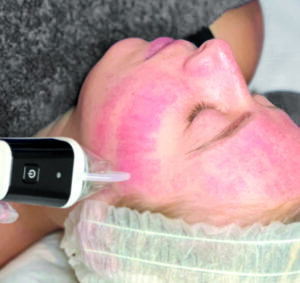
During the treatment, your skin will go red and will start to feel warm, like sunburn.
During Treatment
Shortly after Treatment
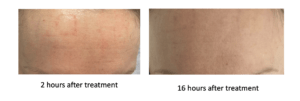
You will see red squares on your skin due to heat energy and the vacuum in the handpiece. These squares usually go in a few hours, but sometimes it can take a few days for them all to go from the face, and even longer after body treatments.
Up to 24 hours: you will possibly experience erythema and mild swelling.
2–3 days: reduced erythema and minor skin dryness and flaking.
3–4 days: potential dryness.
4–5 days: full recovery.
4–6 weeks: improvement in collagen health visible.
Side Effects after RF Microneedling
Expected side Effects Include:
Redness for up to 24 hours
Mild Swelling up to 24hrs
Dryness and Flaking for around three days
Complete recovery usually occurs 3 to 5 days after treatment.
Less Common Side Effects Include:
Bruising
Prolonged redness or red patches for several days
Prolonged dryness and flakiness for a week
Please contact us if you experience any other side effects after your treatment,
Pre Treatment Advice:
Stop using ‘active’ skincare three days before treatment (ie. AHA, BHA, Retinol (Vitamin A)).
Avoid direct sun exposure before and after treatment.
Excessive facial hair, beards and moustaches need to be clean-shaven prior to treatment.
Avoid the use of aftershaves and perfumes on the treatment area.
Post Treatment Care
Avoid direct sunlight for 24 hours, and no sunbeds during your Dermaforce course.
Do not apply spray tan or self-tan for 2–3 weeks post-treatment.
Use SPF 50 sunscreen.
Avoid touching the skin directly after treatment.
Keep skin dry for 24 hours and avoid scratching
Avoid active skincare for 3–5 days after treatment.
No swimming for 24 hours
No exercise or strenuous activity that will cause sweating until the skin has recovered.
Post Treatment Suggestions
Use a clean pillowcase.
Use hydrating and anti-inflammatory skincare.
Avoid non-mineral makeup for 24 hours.
Avoid swimming, hot tubs, saunas and active exercise for 48 hours.
Consider the environment. Hot, humid conditions can contribute to excess inflammation.
Dr Teri Johnson discusses the wide range of treatments for the lips and the area around the mouth at Cheshire Lasers. The treatments involve the use of Dermal Fillers, Botox, Polynucleotides as well as other rejuvenation treatments to achieve the following goals:
Lip Enhancement
Lip Rejuvenation/ Restoration
Lip Hydration
Lip Line Treatments
Lip Flip
Lip Enhancement
A lip enhancement treatment plumps the lips, replaces lost volume and improves lip hydration. Dermal Fillers are the best treatment for this.
The following specialists provide Lip enhancement with Derma Fillers at Cheshire Lasers:
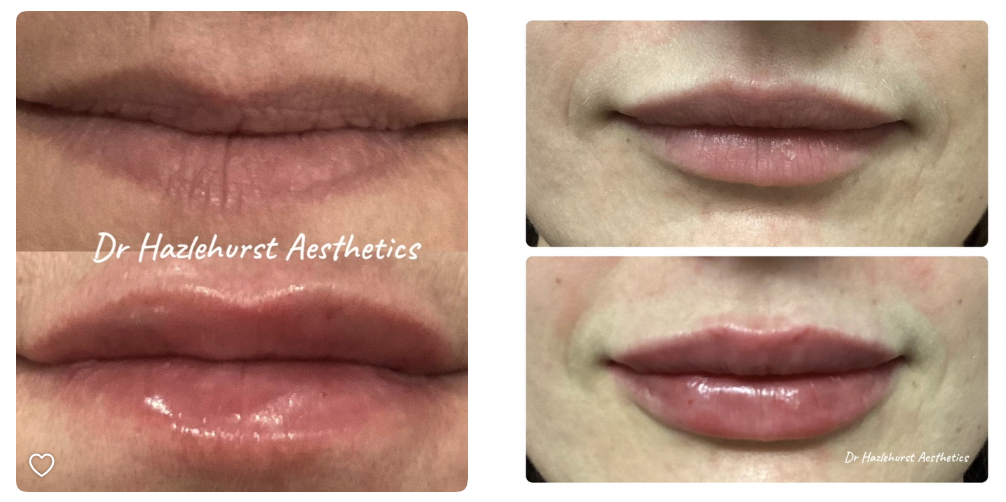
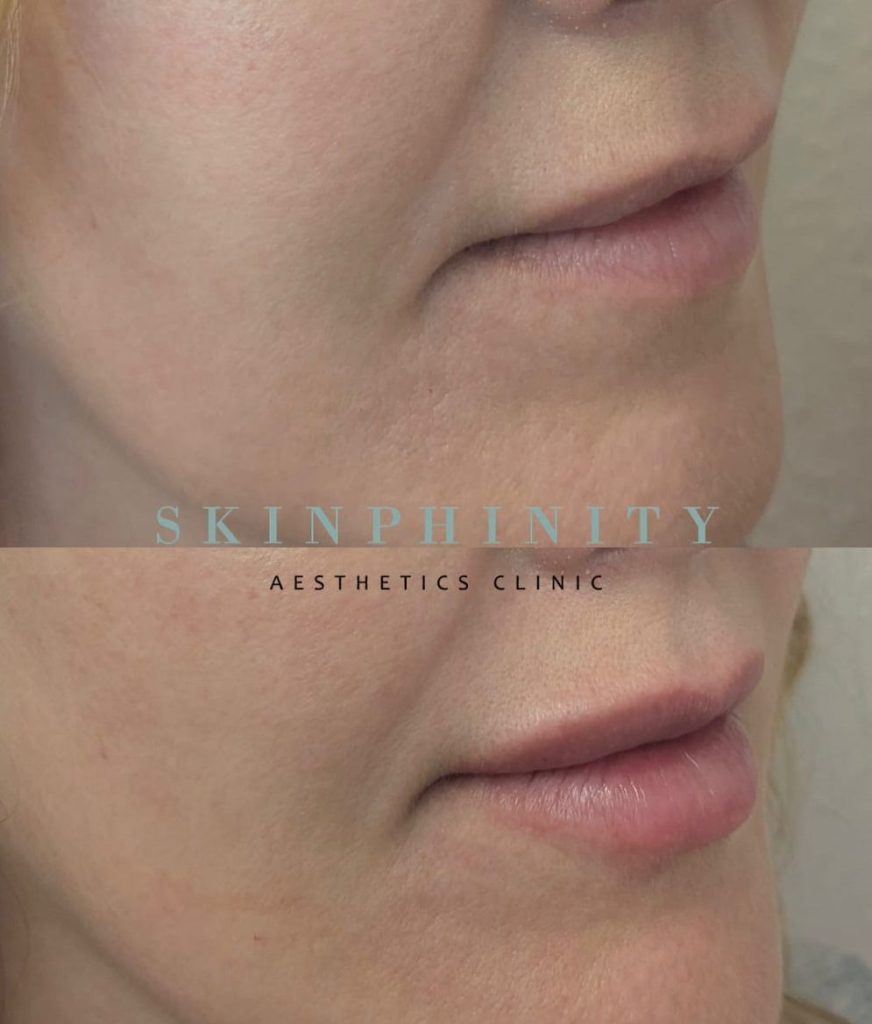
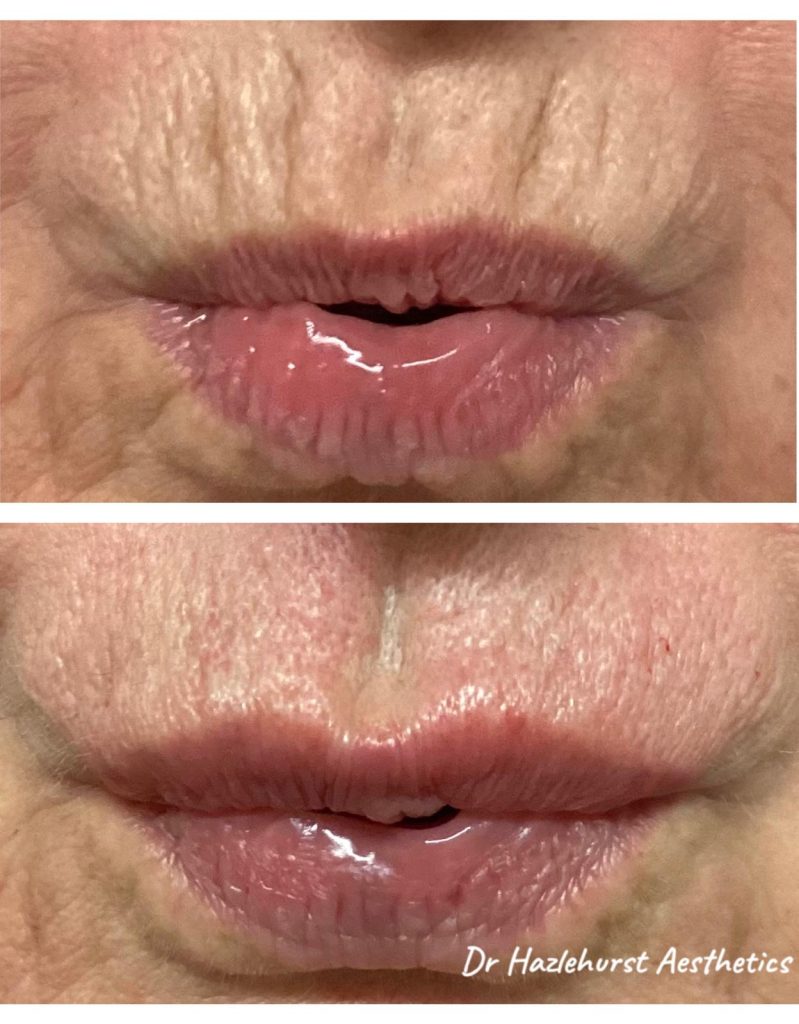
There are many treatments available for Lip Rejuvenation at Cheshire Lasers. Dermal Fillers are also successful for this treatment; a soft subtle dermal filler around the lip area recreates a youthful appearance, adds back hydration, and can significantly reduce fine lines.
Lip Rejuvenation with Dermal Filler is available at Cheshire Lasers with the following specialists:
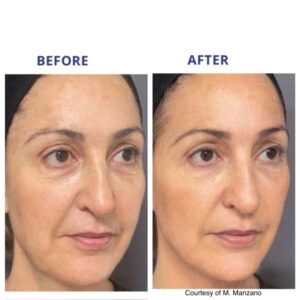
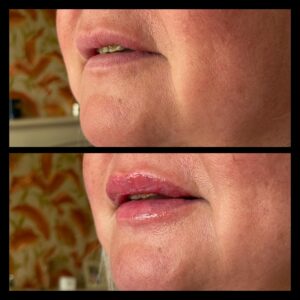
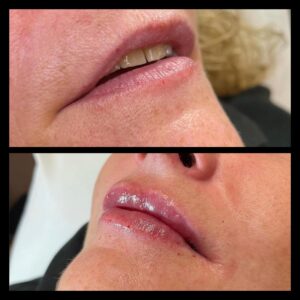
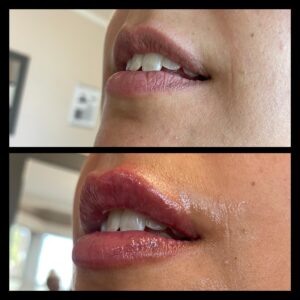
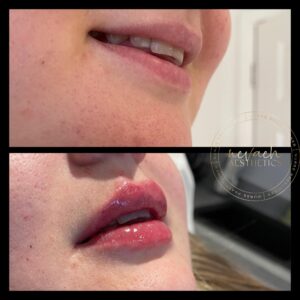
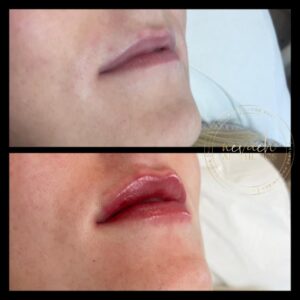
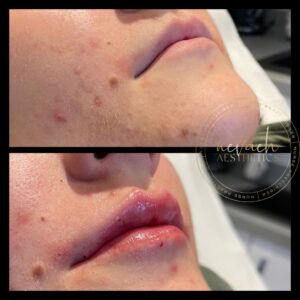
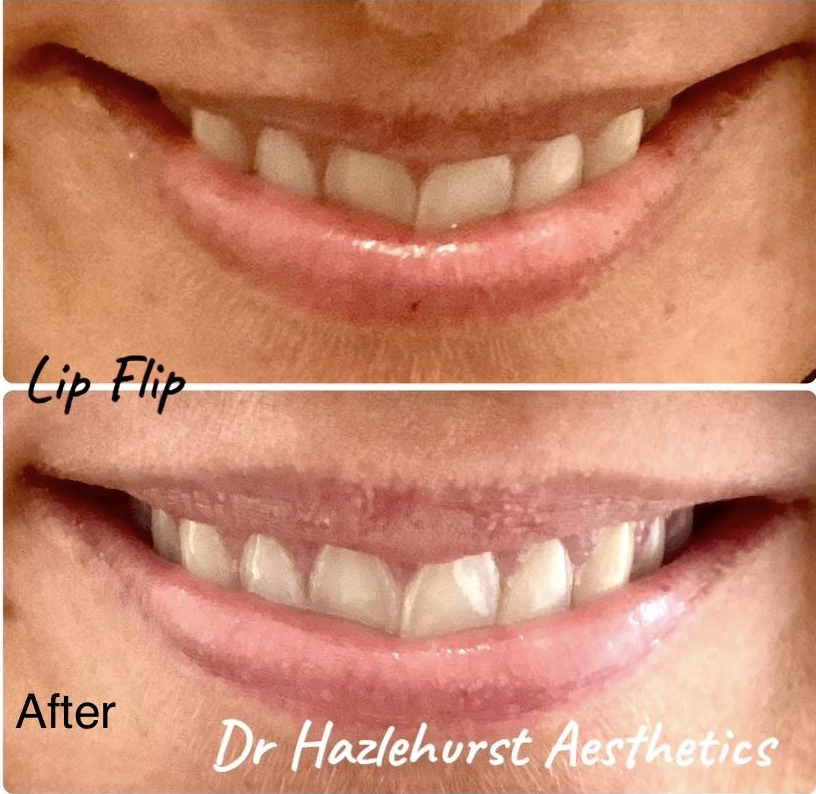
The following images are provided by Dr Kathryn Hazlehurst.
Botox Treatments
Botox can be used around the mouth to offer two types of results:
Smoker’s Line Reduction
Botulinum Toxin relaxes the muscles that purse the lips. By reducing the repeated contractions, the fine lines caused by the movement reduce for about 8 to 10 weeks.
This treatment takes knowledge and skill, as too much muscle relaxation can lead to weakness of the mouth muscles.
The Lip Flip
The Lip Flip is when botox injections around the mouth muscle at certain points relax the lip muscle and ‘flips’ the lip out to make it appear fuller, plumper and much more visible.
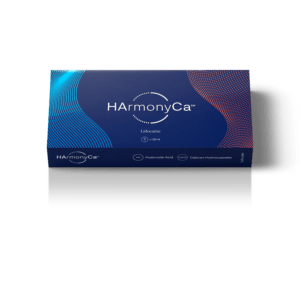
HArmonyCa is a dual-effect Hybrid Injectable. It contains two active ingredients, calcium hydroxyapatite (CaHA) and hyaluronic acid (HA). These two components are in well-known dermal fillers and have both been in use for over two decades.
It also contains lidocaine, an anaesthetic, to reduce the discomfort of treatment.
How do HA and CaHA work?
Hyaluronic acid has a volumising, lifting and hydration effect. The results are immediate and can last anything from 3 to 18 months.
Calcium hydroxyapatite has an excellent collagen stimulation effect which causes skin firming and tightening. Over time the particles stimulate the production of a collagen network in the skin, creating a tightening and lifting effect that can last 1-3 years.
Which areas can HArmonyCa treat?
HArmonyCa works best under the surface of the skin where collagen stimulation is needed. It cannot be injected around the eyes, lips or mouth.
What makes HArmonyCa different from other Biostimulators?
Biostimulators work differently, and the results and longevity vary from person to person. What makes HarmonyCA even more different is that it is the first one to combine a biostimulator with hyaluronic acid.
HArmonyCa Aftercare
You should avoid strenuous activity and exposure to sunlight and tanning lamps or extreme weather conditions for 24 hours post-treatment in order to reduce redness, swelling and irritation.
Massage the area morning and night for seven days to reduce the incidence of nodules.
If nodules (small lumps and bumps under the skin) appear, you should massage the treated area, and if they do not go in a day or two, please contact us for an urgent review.
Redness, swelling, itching, discomfort and tenderness are common after treatment and usually settle within 24–48 hours.
ALWAYS PROMPTLY report the following to us:
Any adverse event which doesn’t resolve within the typical time frame
Any adverse event which worsens,
Any other adverse event
Less common adverse effects include:
bruising
prolonged swelling
fluid under the skin
longer lasting nodules
extrusion (misshaping due to force)
Rare side effects include:
infection
induration (hardening)
skin pigmentation,
inflammatory reaction
allergic reaction
migration
persistent nodules (small bumps)
granulomas (small area of inflammation)
necrosis (cell death)
blindness
Who Performs HArmonyCa Treatments at Cheshire Lasers?
The Following specialists performs HArmonyCa treatments at Cheshire Lasers.
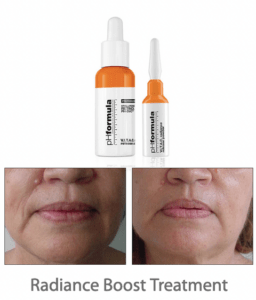
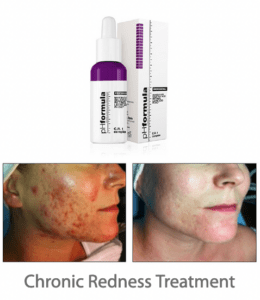
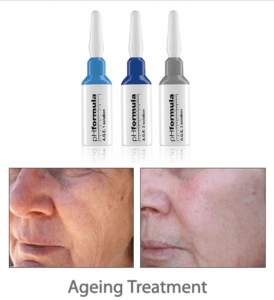
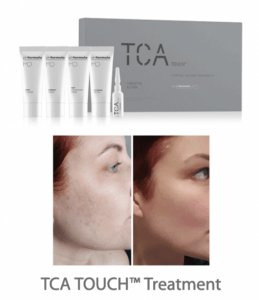
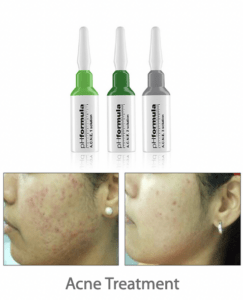
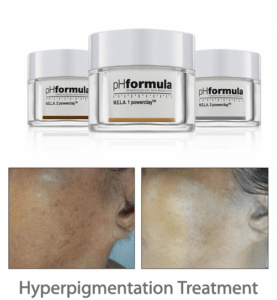
The pHformula Skin Resurfacing systems are a range of treatments that target the needs of all skin types. Their actions are between that of a cosmeceutical and a medical prescription treatment.
How does pHformula Skin Resurfacing work?
It works by stimulating the production of collagen and new skin cells to deliver fresher, healthier-looking skin while preserving the integrity of your skin’s epidermis.
What is different about pH Formula?
pHformula has taken skin resurfacing even further and has a unique mechanism of action based on over three decades of combined scientific, medical and skin health knowledge and experience.
A conventional peeluses high concentrations of acids, which cause tissue damage, inflammation, and plenty of peeling.
Ph formula delivers skin resurfacing treatments with no downtime, no peeling and no impact on social interactions.
The pH formula philosophy is about the ‘outside in’ and ‘inside out’ approach.
The choice of pHformula resurfacing treatments include:
Bespoke advanced resurfacing treatment using an advanced combination of serums
All the above treatments include a combination of different active skin resurfacing serums and a choice of masks to suit your skin condition.
Is pHformula Resurfacing Uncomfortable?
Skin resurfacing does not cause pain whilst having treatment. However, when the active ingredients are applied, your skin may feel hot or itchy and a little uncomfortable. This sensation is normal and does not usually last longer than a few minutes. If you notice pain or become very uncomfortable, it is important that you tell your therapist, who will remove the treatment immediately.
How Many Treatments Will I Need?
The number of treatments needed will depend on your skin concern and the outcome you want to achieve.
A course of between 3 and 6 treatments is typical to achieve the best results.
Our Aesthetician will be able to advise you following your consultation and first treatment, which includes a skin sensitivity test.
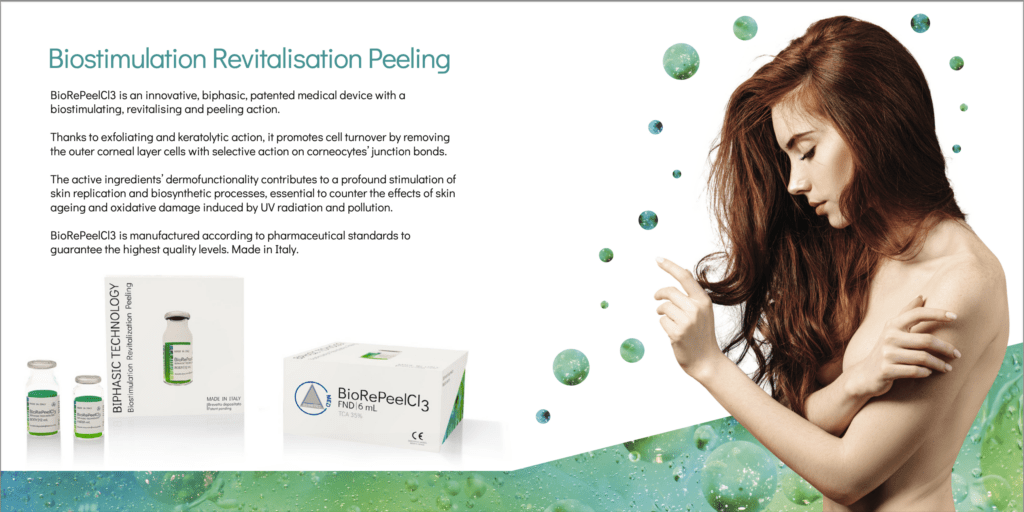
It is an innovative medical peel, that uses patented 2-phase technology to provides a bio-stimulating, revitalising & peeling-like effect. It is one of the newest peels on the market from CMED AESTHETIC in Italy.
Its exfoliating and keratolytic action removes the outer corneal skin cell layers to effectively prevent the ageing of the skin, decrease damage from UV light, as well as decrease pigmentation and acne scars. It also stimulates cell turnover by and stimulating the production of collagen, elastin and hyaluronic acid.
BioRePeelCl3 is multifunctional and is suitable for all ages and all skin types. It has an anti-ageing function that results in brighter, tighter, lighter skin and the reduction of fine lines. It is also suitable for young skin during acute stages of acne, blackheads, with recent mild scaring.
Which areas can the Peel treat?
The peel is effective on the following areas:
Face
Neck
Décolleté
Hands
Feet
Elbows
What are the ingredients of BioRePeel?
The main peel ingredients deliver a level 3 peel and include:
TCA 35%
Lactobionic acid
Salicylic acid
Tartaric acid
Citric Acid
The results are enhanced with the Biostimulation ingredients including Vitamins C and Revitalisation ingredients including Gamma-aminobutyric acid, Arginine and Riboflavin. The peel is also better-tolerated because of these ingredients.
What is different about BioRePeel?
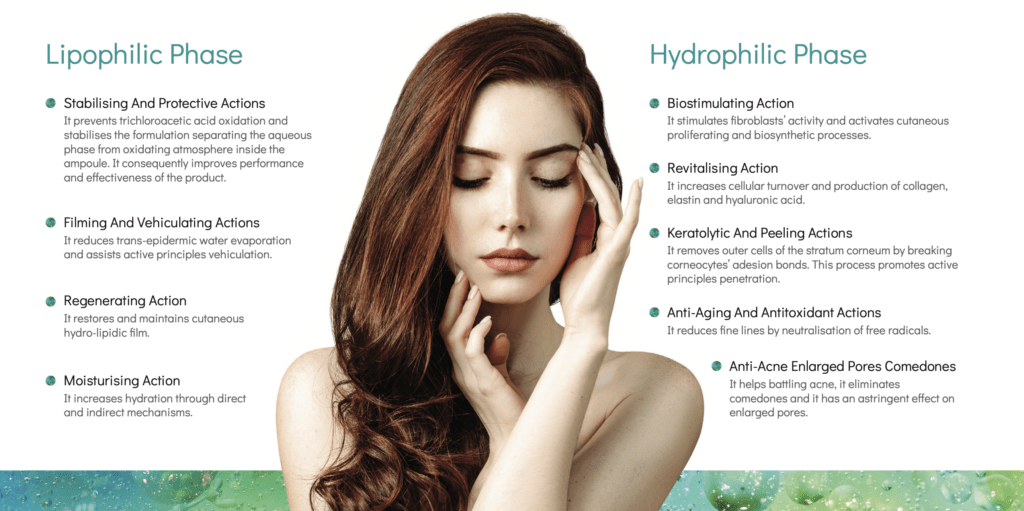
BioRePeelCl3 is not just a peel it has the following actions:
Protective and stabilising actions;
Regenerating action
Moisturising action
Biostimulating action
Revitalising action
Peeling and keratolytic actions
Anti-wrinkle and antioxidant actions
Anti-acne, comedones & enlarged pores
Whats is the downtime?
There is no downtime, even though the peel contains 35% TCA!
The treatment is quick and delivers instant results with no frosting effect and no visible traces of the procedure.
After treatment, the skin feels soft, refreshed and revitalised.
How often should I have the Peel?
For best results, we recommend a treatment every 7-10 days for 3 to 6 sessions.
You can also combine the BioRePeel with the following treatments:
Arrange a consultation and patch test. This will take about 20 mins we can then get you booked in 48 hours later.
You do not need to prepare your skin for the treatment although you will get better results if you use AHAs and or retinol for a few weeks before your treatment.
We recommend you stop all AHA’s, BHAs and retinol products for 3 days before and 3 days after the peel.
Dr Johnson Discusses Jowl Treatments at Cheshire Lasers:
Learn why we get jowls, the available treatments, and how we can help you achieve the best results at Cheshire Lasers!
Cheshire Lasers provides a wide range of jowl treatments that work in various ways. When considering which treatment is right for you, it is important to understand why your jowls have developed in the first place. Different treatments address different problems, and some people require a combination of treatments for best results.
Why do we get Jowls?
As we age many changes occur which lead to the soft tissues of our face descending down to form jowls.
Facial bone and fat loss reduce the volume in our face, so the soft tissues are no longer supported.
The skin loses collagen and elasticity.
Fat can develop in the jowl area, which pulls down the soft tissues due to its weight.
The depressor muscles in our lower face become hyperactive and pull down the skin.
At Cheshire Lasers, we often see people concerned about their jowls who are looking for treatments. When considering which jowl treatment is right for you, we advise you to consider the following:
Is the treatment invasive or not?
How effective is the treatment?
Is there any potential side effects?
Does the treatment hurt?
How many treatments you will need (especially if you have a busy schedule)?
How long do the results last?
Do you need maintenance treatments?
What is the cost of the treatment?
What treatments are good for Jowls?
CACI Jowl Lift
The CACI Jowl Lift is a non-invasive effective treatment for the jowl area. It works by targeting muscle laxity and muscle overactivity around the jawline. Using electrical stimulation this treatment retrains the muscles, lifting, firming and refining the jawline. It takes approximately 15 minutes/ treatment.
A course of 10 treatments are required but they are not expensive. After this, we recommend a maintenance treatment every month to keep the results long term. There is no downtime and side effects are very rare.
This treatment works well in most people, but works less well if you have very heavy jowls with large amounts of fat deposit.
Radiofrequency is a non-invasive effective treatment for skin laxity which can help improve the jowl area. It works by stimulating collagen in the skin making it firmer and plumper it also improves skin tone and texture.
A course of 6-8 treatments are required. After this, a single treatment is recommended every 6 to 12 weeks to maintain the results long term. There is no downtime and side effects are very rare.
We have two radiofrequency treatments available:
ThermaClinic – Great for full-face treatments which take an hour.
Endymed – A more intensive treatment with an innovative jowl shaper handpiece designed to tighten the skin and mobilise the fatty area of the Jowl. A treatment takes 40 minutes.
Ultraformer Jowl Lift and Tighten Treatment
The Ultraformer is a slightly more aggressive treatment which reduces the fat in the jowl area and stimulates collagen to give a lifting and tightening effect. High focused ultrasound energy is used to injure the collagen and fatty layers under the skin. This induces fat loss and also stimulates healing and collagen production.
Often only one treatment is required which can take around an hour. The treatment is uncomfortable but most people tolerate it without any problems. 10% of people may experience bruising after treatment but usually, there is no downtime. The results last 12 to 24 months when you may then opt for a second treatment.
Mid Face and Jawline Volumisation involves injections of Dermal Fillers or collagen stimulators into the areas where volume has been lost. By replacing the volume the soft tissues in the face reposition reducing sagging and lifting the jowls. Each face is different and will require a bespoke treatment plan but often the cheek and or jawline need treating.
You may need between one to three treatments depending on the amount of volume loss. 20% of people may get bruising or swelling but there is usually no downtime.
Thread Lift treatments are more invasive, they can cause bruising and several days downtime. A single treatment is usually required The ideal patient is someone with good skin quality; neither too thick or thin and mild to moderate sagging in the mid-face. Patients do less well if they have excessive skin in the mandibular region associated. If they have very thin or thick skin or have a lot of fat in the jowl area.
This treatment involves surgery it is the gold standard treatment for treating the jowl area. It has considerably more downtime than the treatments above and is not reversible. Cheshire Lasers does not provide facelift cosmetic surgery for the jowls.
Which treatment is right for me?
We recommend booking a consultation so we can assess your face and identify the causes of your jowls. This allows us to advise you on the treatments most likely to deliver the best results.
During your consultation, we will also take into account your lifestyle and preferences regarding downtime. For example, some clients prefer more powerful treatments carried out less frequently, while others are happy to commit to a course of gentler treatments that can be equally effective but require more time.
If you are only considering machine-based treatments, you may book a consultation with one of our experienced aestheticians.
If you are also interested in injectable treatments, we recommend booking with Dr Teri Johnson, who has expertise in all of the treatment options we offer.
Do you love hydrafacial? but fancy something more? If so this new luxury facial may be perfect for you!
The Luxury Hydro2 Facial is the ultimate 5-star facial. It includes 7-technologies in total. It contains a hydrafacial treatment but also utilises 6 other technologies to deliver outstanding results for all skin types and concerns.
Using this device Cheshire Lasers can offer a range of different facials to deliver brightening, tightening, anti-ageing as well as clearing skin
The treatments are customisable to all skin types to meet all skin needs and vary from 30 to 110 mins.
Our Luxury Hydro2 Facial incorporates all 7 steps and is the ultimate pamper package.
Here are the 7 treatment technologies which can be incorporated into your Hydro2 Facial:
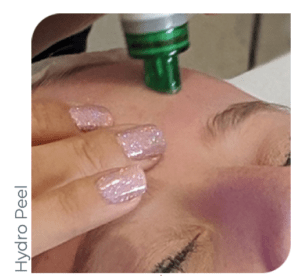
Treatment 1: The Hydro Deep Cleanse
Similar to the Hydrafacial this uses a combination of three solutions to cleanse and smooth the skin using an AHA & BHA based solutions. It hydrates and nourishes the skin infusing lactic, salicylic and hyaluronic acid to deeply cleanse, purify and hydrate.
Treatment 2: Exfoliation
This treatment step uses a vibrational cleansing tool and a choice of exfoliation products. It utilises ‘the Bohr effect’ to allow oxygen to be drawn into the skin. The active ingredients can include Kojic Acid and Retinol which result in a hydrating and brightening effect.
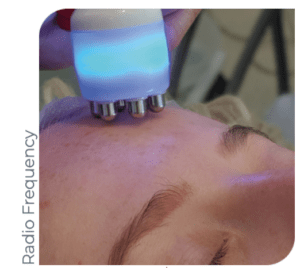
Treatment 3: Radiofrequency Skin Tightening
This step uses Radio Frequency technology to increase collagen reproduction. We recommend this step for skin with early and late signs of ageing.
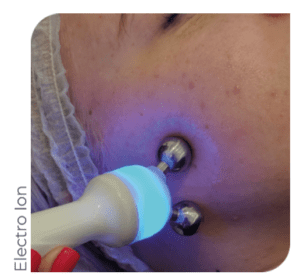
Treatment 4: Skin Lifting with Electro-ion technology
The Electro-ion technology creates skin lifting by stimulating muscle contraction. It is similar to CACI and works well for jowl and eyebrow lifting.
It uses electroporation which also increases the absorbency of the skins cells for product penetration. This allows our time defence and brightening serums to penetrate deeper into the skin.
This, in turn, revitalises and ‘wakes up’ dull and lifeless skin
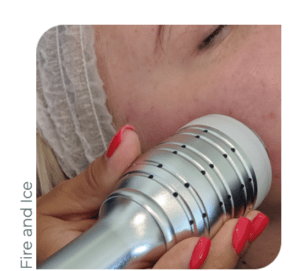
Treatment 5: Fire & Ice
5 A – The ‘Fire’ represents the heat element during treatment. The handpiece uses heat to open the pores, increase blood supply and aid product infusion.
5 B – The ‘Ice’ a Cryo facial that uses cooling technology, chilling the skin down to 5℃. This step comes at the end of each facial. It decreases the blood supply, giving a tightening effect and sealing in the infused products. It also helps to reduce any redness following treatment.
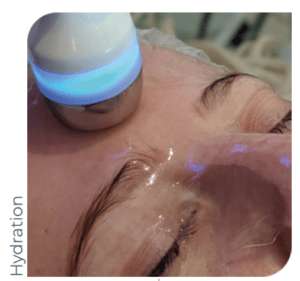
Treatment 6: Ultrasound / Hydration
This step uses ultrasound technology to infuse a hydrating collagen-rich serum from a mask for maximum penetration.
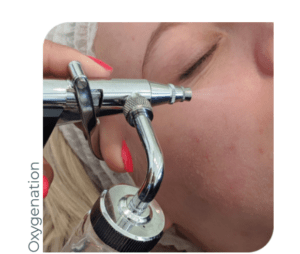
Treatment 7: Oxygenation
The Oxygenation spray is used to apply a hydrating serum. It creates a Venturi effect which breaks down the serum molecules and encourages maximum absorption. This helps to deliver intense skin hydration.
Applying oxygen to the skin using this method helps to increase cell metabolism and improve these concerns. Some bacteria are not able to live in oxygen, so applying oxygen to the skin will give this anti-bacterial effect, having a positive effect on congestion.
Which Hydro2 Facial should I have?
We can deliver a range of bespoke facials using these 7 technologies and can also add on Dermalux LED according to your requirements.
Here is a list of some of the most popular ones:
The Radiofrequency Collagen Stimulating Hydro2 Facials
The Luxury Ultimate 5-star Hydro2 Facial – 100 mins all 7 treatments listed above.
Radiofrequency Hydro2 Facial- 70 mins – Treatments 1, 3, 6 and 7
Radiofrequency Facial for Neck and or Face- 50-70 mins – Treatment 3
HYDROFACIAL – 5* ultimate facial!! Everything you could ever want in one facial! I’ve experienced many facials over the years, but this treatment absolutely blows everything else out of the water!! Highly recommended – it combines a traditional hydra facial with radio frequency (using a much improved and more superior machine), together with muscle stimulation and tightening (similar to a CACI facial – of which I’m a huge fan). It doesn’t stop there, my therapist Natasha continued the treatment with lots of anti-ageing and hydrating serums and a gel mask infused with collagen and antioxidants, which was stimulated using sonic vibration. The final stages were an oxygen facial and finally a cryo-facial. As I stated, this 5* facial combines absolutely everything!!
My therapist, Natasha was extremely knowledgeable and friendly, she explained every procedure and highlighted the benefits!!
The results are AMAZING, my skin is positively glowing and lifted! Definitely a red carpet treatment. Give it a try, I promise you, you won’t be disappointed
The Zone Face Lift – Bergman Method is offered exclusively at Cheshire Lasers by Reflexology by Sharron
“A contender for London’s best facial treatment, afterwards my eyes were brighter, my cheekbones sharper, my brow less furrowed…far and away the most enjoyable hour of life so far this year.” Sarah Vine, leading beauty journalist
What is The Zone Face Lift – Bergman Method
Zone Face Lift is an award-winning, deeply relaxing treatment that combines pressure point massage with ancient and modern face-lifting techniques, including facial reflexology, Gua Sha, quartz crystals, Japanese facelift massage, Indian Head Massage, and Native American healing methods.
This bespoke treatment is customised for each client and offers both cosmetic and therapeutic benefits. It naturally stimulates collagen and elastin production, reduces puffiness, tightens and tones the skin, sculpts the neckline, and smooths fine lines and wrinkles—often with visible results after just one session.
Zone Face Lift also promotes lymphatic drainage, improves circulation, removes toxins, and enhances skin brightness and complexion. Beyond its physical benefits, it helps reduce stress, tension, and symptoms of migraines, sinus issues, TMJ pain, bruxism, Bell’s Palsy, insomnia, IBS, joint pain, and depression.
Combining the benefits of facial and foot reflexology, it supports better sleep, mood, and overall wellbeing—offering a powerful, holistic alternative to Botox and fillers.
Zone Face Lift – treatments and prices
12 week Course is £770 save 10% when booked as a package.
6 weeks Course is £385 save 5% when booked as a package.
Or available as a single bespoke treatment.
Best results are achieved with a regular weekly course of treatment, you can opt for 6 or 12 weeks, but personalised plans are available on request.
Single treatment options are below
Zone Face Lift – Diamond.
One off 60 minute treatment, includes Cleanse, Facial Reflexology, Gua Sha Massage & Sculpt. £65.
Zone Face Lift – Delux.
One off 75 minute treatment, includes Facial hot towels, Cleanse, Facial Reflexology, Gua Sha Massage & Sculpt. £70.
Zone Face Lift – Ultimate. One off 90 minute treatment, includes Facial hot towels, Cleanse, Facial Reflexology, Gua Sha Massage & Sculpt, Face Mask, Eye gel, Serum, and Moisturiser, guided visualisation and sacred smudging. £90.
The Zone Face Lift 12 Week Program
Your 12 week program will begin with a short questionnaire and a full introduction to the Zone Face Lift series of treatments.
Over the 12 weeks it involves a series of mixed treatments combining the following:
The ZFL treatment begins with a facial cleanse using the Zone Face Lift designed cleanser, followed by a luxurious hot towel steam to open up pores and stimulate blood and lymph flow. The hot towels penetrate the skin to expose younger cells and remove make up & pollutants.
After the cleansing and steaming the face, the crystal infused Facial Elixir is applied. This not only nourishes the skin but the therapeutic botanicals bring a deep sense of tranquillity and calm.
A full 30 minute facial reflexology sequence commences and this will be the way your ZFL treatment begins each week.
Zone Face Lift Massage
After the 30 minute facial reflexology treatment the Zone Face Lift transition smoothly follows.
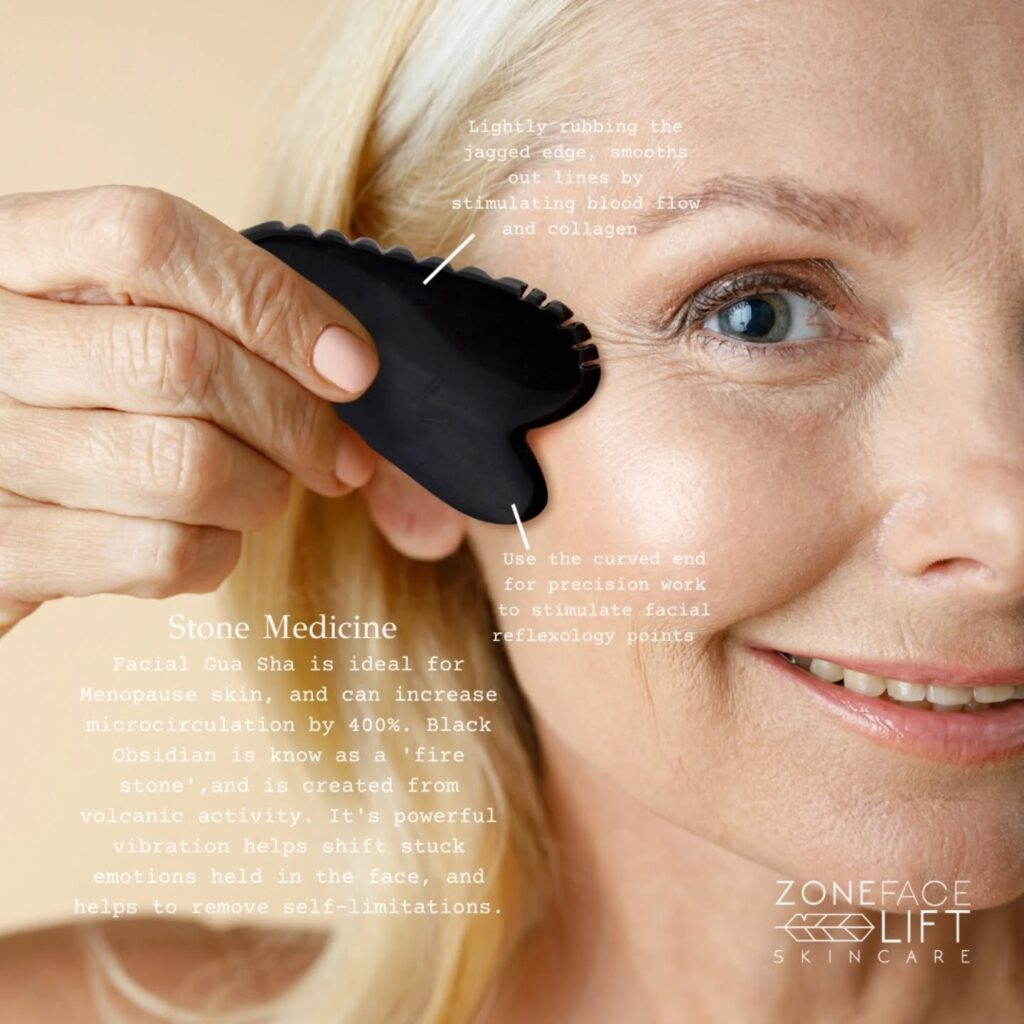
Your facial treatment includes the use of Obsidian Facial Mushrooms to cool and soothe the skin, and promote the release of collagen, nourishing and calming the skin.
An Acupressure Roller which stimulates nerve endings and encourages natural healing with skin rejuvenation.
Next An Obsidian Facial Gua Sha then is used to sculpt and decongest the skin, draining lymphatic fluid, improve blood flow and circulation, even out skin tone and pigmentation and activates elastin making the skin plumper and tighter.
I will then apply a series of unique massage techniques to lift and sculpt the face using the Zone Face Lift techniques, unlike any other facial treatment you will have experienced.
The End Result
The results will speak for themselves, the benefits you will feel and visualise across the 12 weeks can include:
• Naturally stimulated collagen.
• Reduced pigmentation.
• Reduced dark circles and puffiness under the eyes.
• Lymphatic drainage.
• Reduction in stress and an uplift in mood.
• Improved sleep patterns.
• Positive transformative healing.
• Tighter, plumper skin tone.
• A reduction in fine lines and wrinkles.
More Information about Facial Reflexology – Bergman Method
The Bergman Method Facial Reflexology is a therapeutic technique developed by Ziggie Bergman that applies the principles of foot reflexology to the face.
Key Features:
Focuses on reflex points on the face that correspond to different parts of the body, aiming to restore balance and promote healing.
Gentle stimulation of these points boosts circulation, encourages lymphatic drainage, and supports the body’s natural healing processes.
Deeply relaxing, helping to reduce stress, tension, and related conditions such as migraines, sinus issues, and sleep problems.
Non-invasive and natural, making it a holistic alternative to more aggressive treatments.
Can also improve skin tone and appearance, as better circulation and muscle stimulation help achieve a healthy glow.
It’s often used alone or as part of the Zone Face Lift treatment, enhancing both emotional and physical well-being.
Facial Reflexology has all the benefits and principles of traditional Foot Reflexology. It is deeply relaxing with immediate effects due to its close proximity to the brain and central nervous system. Once the reflex points are activated a direct response occurs in the corresponding area of the body. This helps the body’s healing process, improving circulation and nerve supply as well as the release of toxins. Treatments also stimulate collagen and elastin which gives the effect of tighter, plumper more radiant skin.
Having trained with the world renowned Ziggie Bergman, founder of ‘The Bergman Method’ Facial Reflexology, and Zone Face Lift, Sharron offer these specialist and unique treatment here at Cheshire Lasers.
Which Products are used?
After a short consultation, Sharron will begin to cleanse the face. She will then apply Ziggie Bergman’s Facial Elixir which lifts your Face & Spirit with silky Amethyst Crystal-Infused oil. This oil hydrates your skin and helps reduce fine lines to help you look radiant.
How will I feel after?
Facial Reflexology combines the therapeutic benefits of holistic therapy with a touch of beautifying luxury!
Clients often feel a sense of well-being and calm, along with a more youthful, glowing complexion.
It can also alleviate winter ailments such as blocked sinuses, dry skin, headaches, fatigue, a dull complexion, and depression. It helps the body work at its optimum level and can boost the immune system.
The unique benefit of Facial Reflexology is that it not only supports overall health and wellbeing, but it also promotes a more youthful appearance and complexion.
How do I book a Treatment?
Please book with Sharron directly; she can also discuss your treatment suitability.
Telephone 07483858727 or Email sharronroughton1@gmail.com
Cheshire Lasers Clinic is excited to introduce the Endymed Mini Shaper.
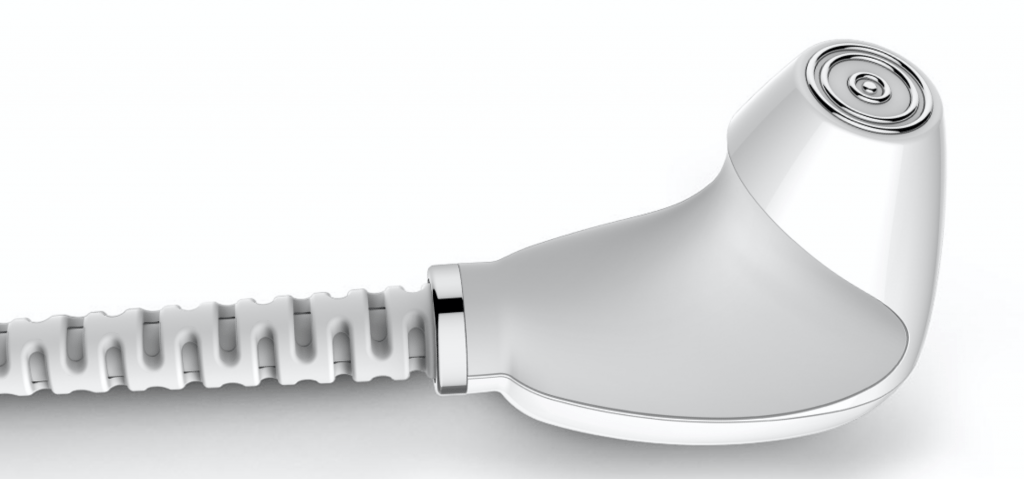
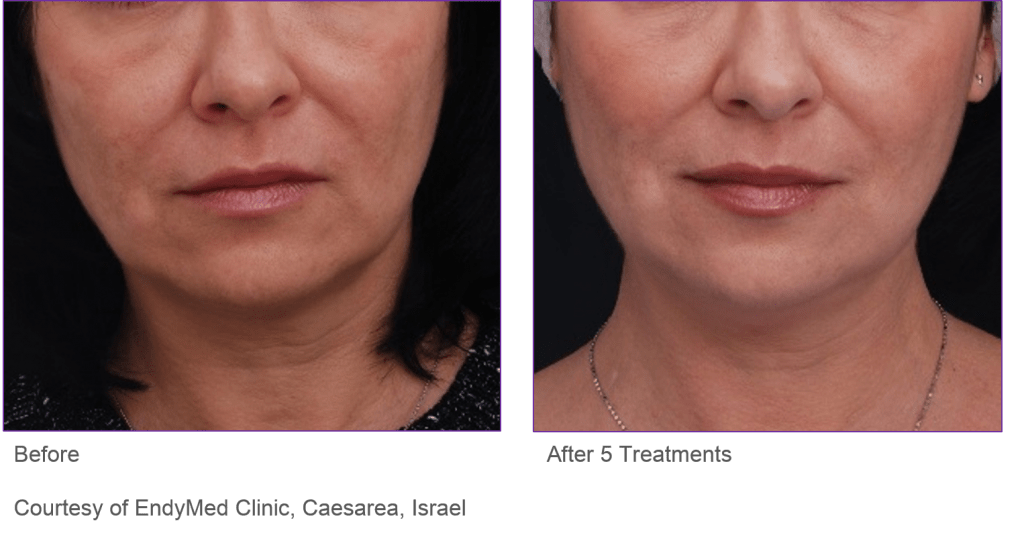
This innovative handpiece has a unique concentric electrode surface, which provides focused 3DEEP Radiofrequency energy deep into the skin for maximum results. The Mini-Shaper is the most effective handpiece available today for treating the jowls and under the chin.
The Mini Shaper stimulates collagen production and increases fat cell turnover. This allows us to contour the jawline and deliver an effective tightening action to treat sagging, lax skin as well as improve tired, dull skin.
How does the EndyMed Jawline Shaper work?
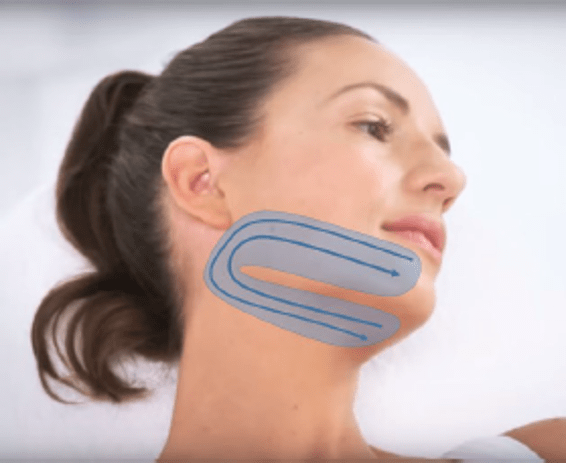
The shaper handpiece delivers controlled radiofrequency energy delivery exactly where it needs to be. The radiofrequency energy penetrates the dermis down to 7mm which is much deeper than our other treatments. The Mini-Shaper offers nearly twice the power than other similar-sized RF treatment handpieces on the market. It also maintains tissue heat for long after the treatment is complete, providing extremely effective heating.
The heat energy stimulates existing collagen and encourages the production of new collagen to give tighter, firmer more lifted skin. It also focuses on fat cells which helps reduce the heaviness of the jawline to deliver an improved contour.
The following diagram demonstrates the treatment area:
How soon can I see results?
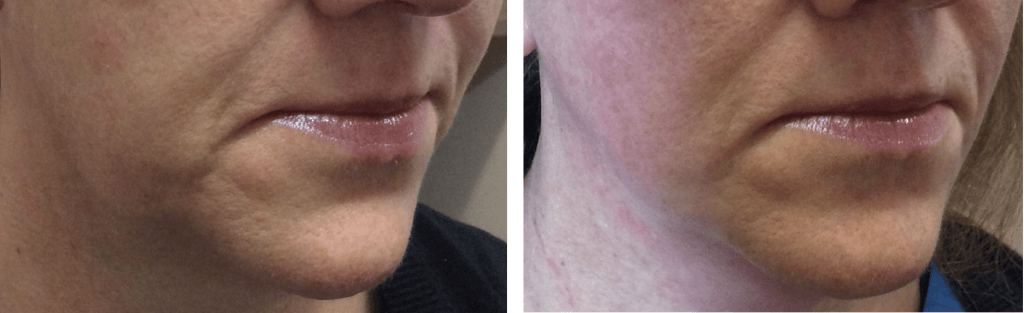
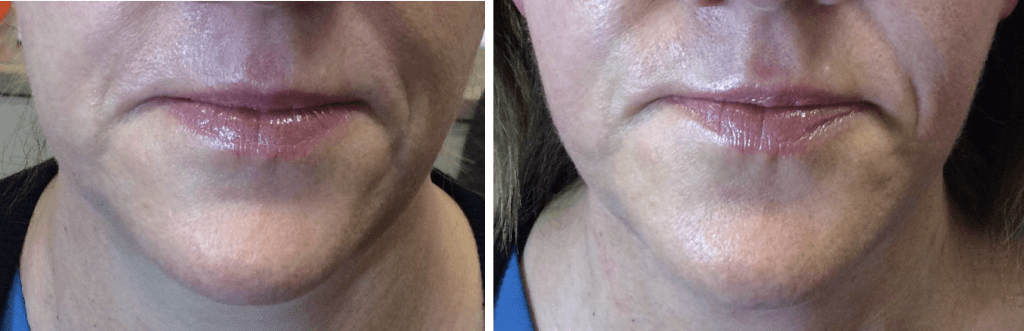
Results can be seen immediately but a course of treatments are required for the best long-term results.
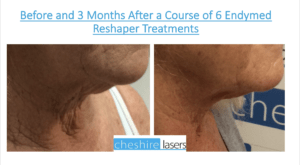
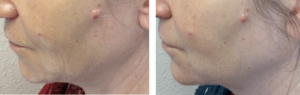
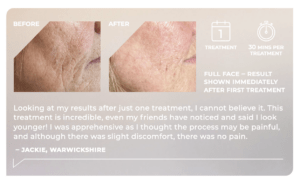
The pictures here show the results before and after only one treatment. These results are short term and will improve and last longer after a course of treatments.
Who is the EndyMed Jawline Shaper Treatment suitable for?
This treatment is suitable for all skin types. We highly recommend it if you have heavy drooping jowls or have skin laxity and sagging under the chin.
Is there any downtime?
The EndyMed Jawline Shaper treatment is painless with little to no downtime. You may experience some redness in the treated areas, but this will subside within a few hours.
How many treatments will I need?
We recommend a course of six treatments for optimal results. Ideally, we like to book the treatments every 1-2 weeks.
Following the initial treatment course, we recommend one treatment every 2-3 months thereafter to maintain the best possible results. However, some people are happy with the results of a maintenance treatment every 3-6 months.


 The pHformula Skin Resurfacing systems are a range of treatments that target the needs of all skin types. Their actions are between that of a cosmeceutical and a medical prescription treatment.